


BRC’s Christian Lachel on the USA Pavilion at Expo 2025 Osaka
interview by Martin Palicki
With 25 million visitors passing through its gates from April 13-October 13, 2025, Expo 2025 Osaka, Kansai offered some 200 national, corporate, signature and government pavilions, live entertainment, a nightly lagoon show, international cuisine and a stunning architectural structure encircling the grounds. [For more on the best of Expo 2025 Osaka, see InPark issue #106]
The United States pavilion quickly earned a reputation as one of the event’s most popular experiences. The long and narrow building was designed with a triangular wedge carved out of the middle, creating an entrance flanked by giant LED screens showing scenes from cities and towns across America. The pavilion included a souvenir shop, restaurant, performance stage and rest areas, but the main attraction was the nearly 25-minute tour through the pavilion.
Inside, guests met Spark, the self-described Ambassador of Imagination and Professional Firecracker. The star-shaped mascot guided guests across five distinct experiences: Connecting, Innovation, Travel, Space, and Launch. The catchy theme song “Together (by Spark)” carried the message throughout the pavilion (and is available on iTunes and Spotify).
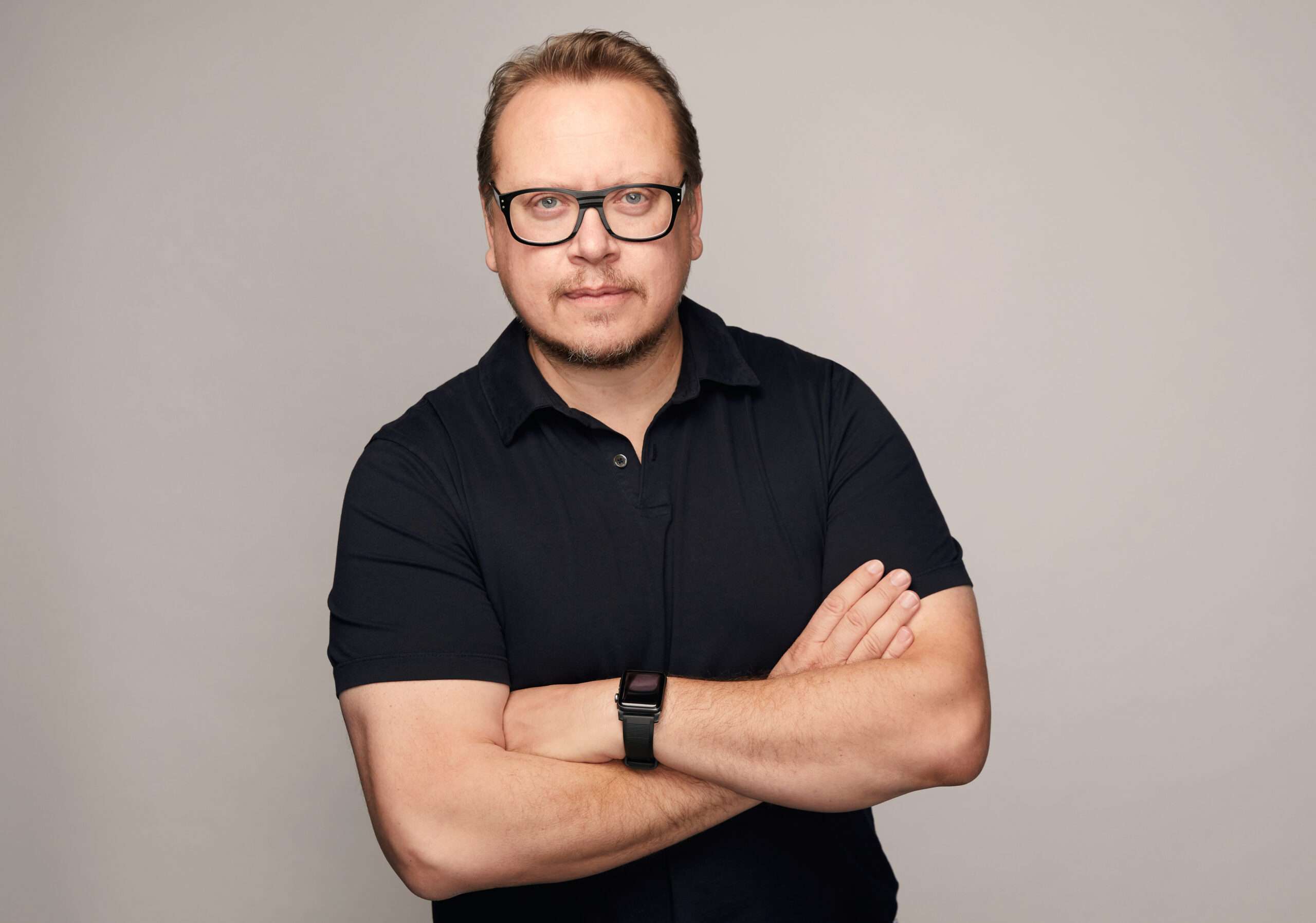
Working under the oversight of the U.S. Department of State, BRC Imagination Arts helped lead a creative team to develop the pavilion exhibition and branding, guided by the company’s three decades of experience creating world’s fair pavilions and a skill for blending theatrical storytelling with cultural diplomacy. Leading the project for BRC was expo fan and Chief Creative Officer Christian Lachel. He even credits his own existence to the 1893 world’s fair (the World’s Columbian Exposition) which drew both sets of his great grandparents to Chicago for opportunities associated with the expo. We asked Lachel to reflect on how the 2025 USA Pavilion came together, the role of story, music and character design in shaping the guest experience, and why expos remain salient.
How did the concept and team for the United States pavilion come together?
Expos have always been part of our DNA at BRC. We’ve designed pavilions for countries and corporations through the years, starting with Vancouver Expo 86 and participating in nearly every expo since then. And this was our fifth time working on a USA Pavilion, but because this one had congressional appropriations – meaning we didn’t have to rely solely on corporate sponsors to fund the pavilion – the process was a bit different than previous years. BRC formed a consortium with ES Global, Alchemy International and Trahan Architects to respond to the U.S. Department of State’s bid for the pavilion.
The government’s brief and overall vision called for highlighting travel and tourism, both NASA and commercial space exploration, technological innovation and cultural programs like the U.S. JET (Japan Exchange and Teaching) Program. We also knew we’d be in the “Empowering Lives” thematic section of the Osaka Expo, which framed the conceptual direction early on.

Drawing on past experience creating pavilions for expos Japan has hosted over the decades, as well as a number of other attractions in Japan gave us a sense of cultural context. We understood early on that a strong central character, a mascot woven into the entire pavilion story, would resonate with audiences. That animated character became Spark, emblematic of the fun experience we wanted to create. We also anticipated a multigenerational audience with many older visitors who remembered Expo ’70 (also hosted in Osaka), so we wanted to lean into that nostalgia while creating something new.
How did that translate into the pavilion’s theme and messaging?
Over the years, we’ve learned several important lessons about designing for expos. First, we know that if you try to communicate too many messages, the audience tends to forget them all. One strong idea creates emotional clarity. Secondly, we believe the best pavilions celebrate the world of the audience, not just the focus country. With those guidelines in place, we quickly homed in on one clear idea: Imagine What We Can Create Together. It’s a universal theme that allowed us to bridge a wide range of content under a single message.
We also built the theme to outlast political transitions. Expos often straddle administrations, so it had to work no matter who was in office. Because the message was universal, it held steady through the entire development process.
What was BRC’s role on the project?
Our team worked closely with Trahan architects, Alchemy and the Department of State Expo unit to shape the visitor experience and flow. We developed the pavilion’s branding, messaging, storyline, scripting, mascot, and experiential design. We led media and music production, designed the guest spaces, and helped train the operations team on key storytelling moments. We also had story and design guardianship over the fabrication and fit-out work done by other partners. It was a comprehensive creative scope from blank piece of paper through opening day and beyond.
How did you work with Trahan Architects to ensure the experiences you were creating fit into the spaces they were designing?
As always, it was a very collaborative process. We had meetings where we mapped out needs such as gallery sizes, staging, circulation and VIP spaces. We then worked together to adapt those requirements to the long, narrow site. It was a bit like designing a row house in a tight urban environment: every inch mattered.
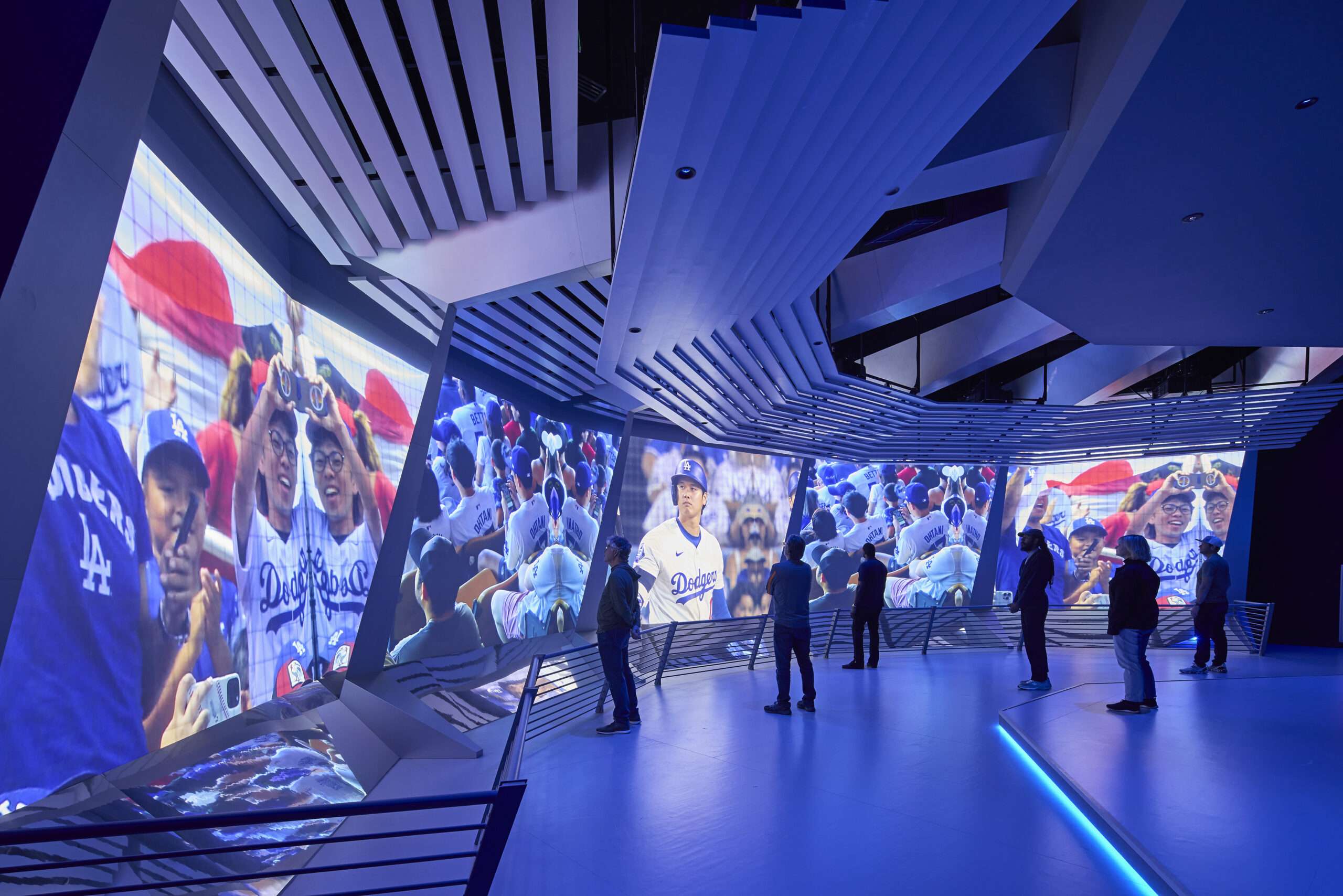
At one point Trahan suggested removing a section of the pavilion to create a symbolic, wide welcoming entrance with large canyon-like LED screens for dramatic impact. It was beautiful and meaningful, but it also introduced trade-offs, namely making spaces smaller with longer walkways between the main exhibit rooms. But we loved the idea, embraced the challenge and found solutions together.
How did you approach balancing entertaining spectacle with informational substance?
At BRC we frequently are tasked with blending educational content with entertainment, so it’s a process we are quite familiar with. One of our solutions was to develop a song that carried the message of the theme. Music is universal – it bridges language and cultural barriers. A well-crafted song can deliver a lot of emotional and narrative weight in just three and a half minutes per scene.
We worked closely with Yessian Music Global to create a tune that felt contemporary, timeless and would at the same time appeal to a primarily Japanese audience. That musical through-line became the backbone of the entire experience. Even as we tweaked specific images or content elements shifted slightly during our process, the heart of the story stayed intact. It’s been a genuine hit with visitors.
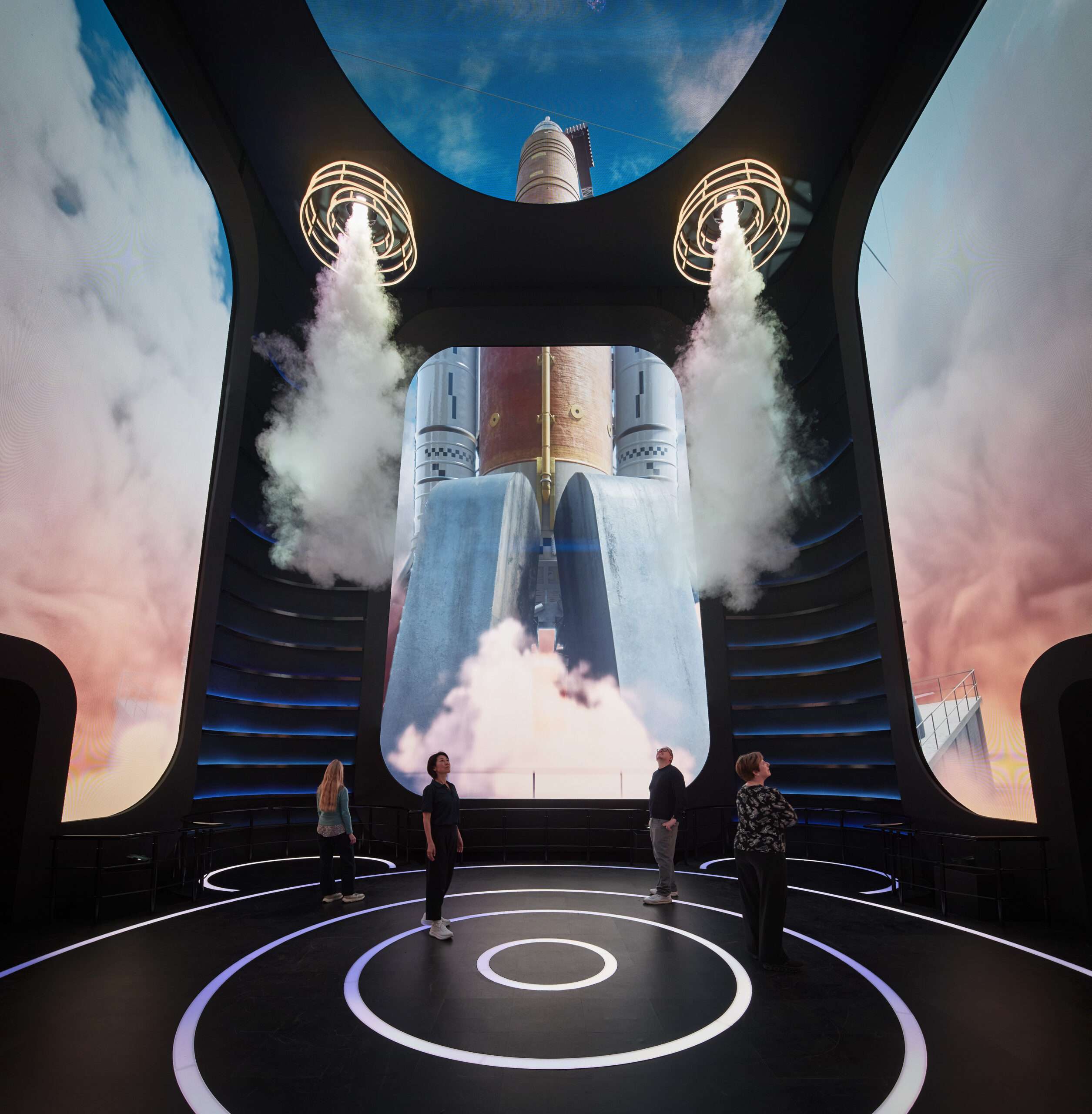
Our other secret was to create impressive “wow” moments interspersed with more informational elements. My favorite example is the immersive launch gallery. We employed the classic architectural technique of compression and release to really make a moment of awe and wonder. After guests learn about our innovative space program, guests move through a low-ceiling hallway and then suddenly enter a soaring room with 9-meter tall LED screens stretching from floor to ceiling. Boosters overhead are spitting out smoke and guests realize they are about to be part of a rocket launch.
It was the most memorable part of the pavilion for me.
I believe that’s true for a lot of people who experienced it. We outfitted one of the walls of the launch gallery with a very large mirror surface to help visually open up the space a bit more. Instagrammable moments and photo-ops are important in any attraction, and we were pleased to see that our mirrored wall was an instant selfie and social media magnet.
What stands out to you as the pavilion’s biggest success?
We hosted nearly two million visitors through the main exhibition, and the response has been overwhelmingly positive. The pavilion delivers joy and togetherness at a moment when the world really needs that. We designed something the audience loves, not just a statement about us. That’s the best measure of success.
What’s next for BRC on the expo front?
We’re already looking toward various pavilions for Expo 2027 in Serbia and Expo 2030 in Riyadh. Every expo teaches us something new, but our north star remains the same: awaken the best in people and create experiences that resonate deeply. •