


Image Engineering’s acquisition of TASC helps expand the possibilities of both live and themed entertainment
by Martin Palicki
Towering infernos of fire can regularly be seen inside some of the most intense theme park attractions as well as in pro-sport stadiums as players take to the field. Until recently, though, they’ve been created by very different companies. The Attractions Services Company (TASC), under the leadership of Ron Griffin, has pioneered effects like those for theme parks around the world since 1995. Image Engineering, on the other hand, has been producing live events, pyrotechnics and large-scale sports productions since 1998. Thanks to a recent acquisition, the two experts in their field will bring their combined skills to the field, and to the growing world of themed entertainment.
Image Engineering’s growth and evolution
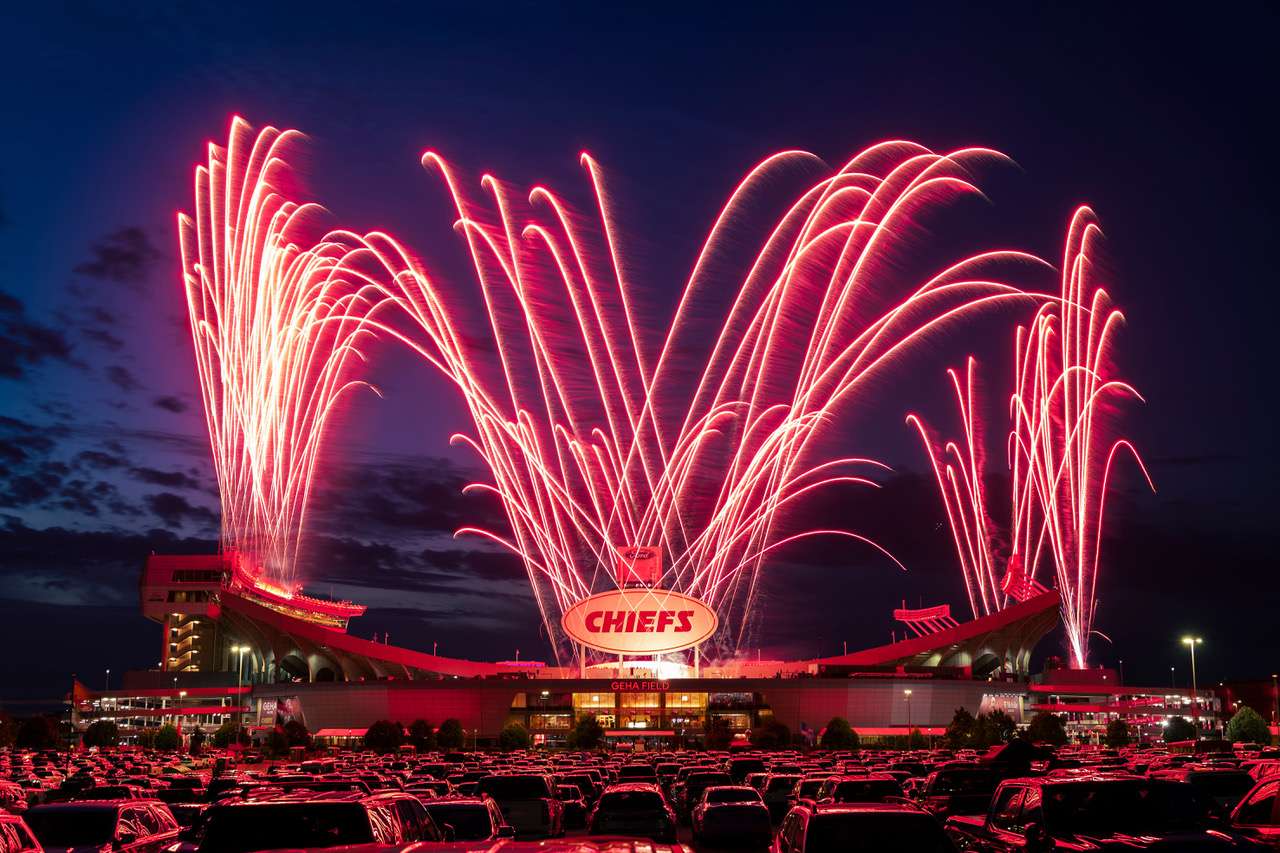
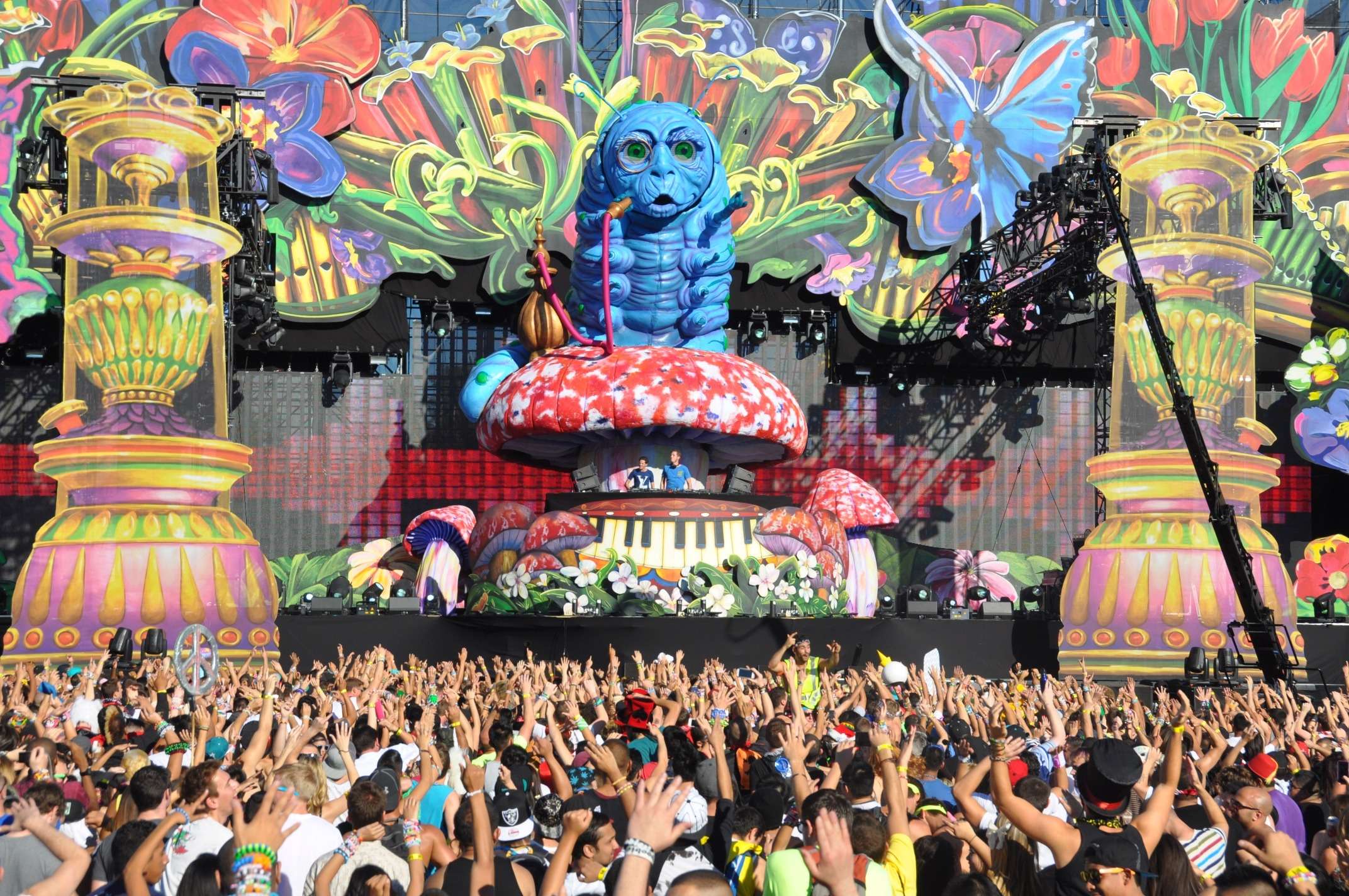
Founded by brothers John, Joe, and Andy Suehle, Image Engineering specialized in lasers and lighting in its early years, growing steadily through the 2000s. Today, the company sports a team of more than 65 full-time employees and operates from a 60,000 square-foot headquarters in Baltimore with satellite offices in Las Vegas and at the Rock Lititz campus in Pennsylvania. The company’s work can be seen in everything from touring productions and sporting events to architectural lighting installations that blend art and technology.
“Our roots are in live entertainment and sports, and that shaped how we built the company,” says Image Engineering President Joe Suehle. “But over the years we’ve evolved to meet the needs of themed entertainment, and in some ways, themed entertainment has also expanded to need the services we offer.”
That’s what led the company to devote resources to supporting the themed entertainment market, which they internally refer to as permanent installations. While both temporary events and permanent installations run on parallel tracks, utilizing many of the same effects and equipment, there are important distinctions between the two.
Permanent installs typically require a much longer design and build process but also benefit from a workflow that demands continual innovation. Live events stand to benefit from that creative pipeline. Additionally, the real-world limitations of temporary installations can provide information that helps make permanent projects more efficient. It’s a symbiosis that led Image Engineering’s Vice President of Operations Ian Bottiglieri to investigate moving the company in that direction. “I attended the first IAAPA Expo after the pandemic and saw firsthand how well aligned we were to serve this market,” explains Bottiglieri.

TASC
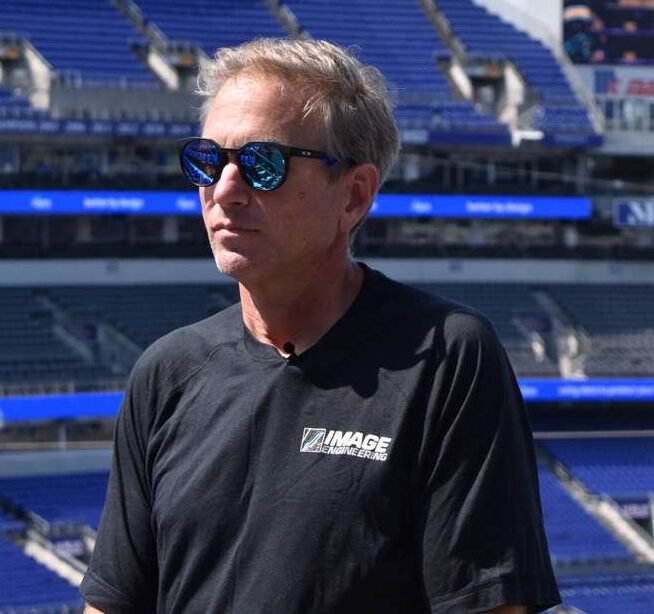
Image Engineering

Image Engineering
One of Image’s first projects in the industry was working on a major theme park operator’s nighttime spectacular. They were brought in for their deep knowledge in specialized flame systems, but because of their relative newness to the market, the operator had them contracted under one of their trusted vendors, TASC. It was a chance connection that would significantly alter the paths of both companies.
TASC’s legacy of engineering and effects
While Image Engineering was busy expanding its presence in live events and sports, TASC was building its reputation in theme parks. Founded and led by Ron Griffin, TASC became known around the globe as a skilled resource for theme park operators needing special effects, motion platforms, ride vehicles, show action equipment, flame and water effects, control systems and more. Since 1995, Griffin and his business partner, Melissa Townsend, have been familiar figures in the industry. TASC’s many projects for Universal Studios parks, starting with work on pioneering attractions such as Jaws and Twister, continued with the company providing many of the major flame effects for Universal Islands of Adventure, Universal Studios Japan and Universal Studios Singapore.
TASC quickly earned a reputation as a trailblazer in the industry, establishing a capable team to serve their formidable list of clients through specialization in nighttime shows, dark rides, and complex multimedia attractions. “We’ve always had a great staff,” says Griffin. “Many people came up through apprenticeships here and went on to leadership roles throughout the industry. That legacy of training and knowledge sharing is something I’ve always valued.”
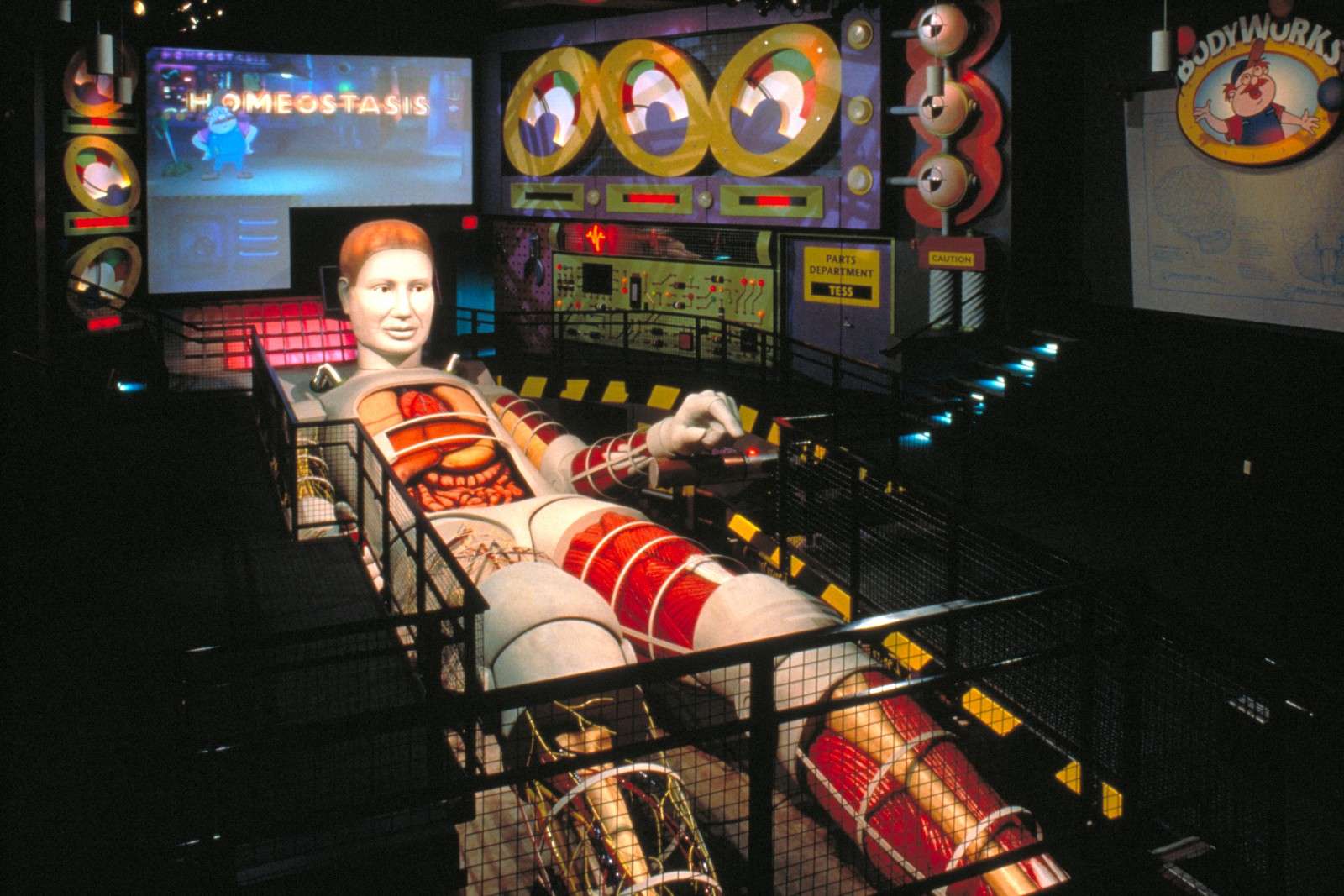
TASC set up a facility in Valencia, California and developed full vertical integration over the years: in-house design, fabrication, and testing. The site includes machining, welding, woodwork, cabinet fabrication, and outdoor areas for testing large flame and water systems.
Finding the right partner
When the two companies met on that joint project in 2023, the timing couldn’t have been more perfect. Griffin had been thinking about succession planning for TASC and Image Engineering was considering ways to quickly scale up their presence in themed entertainment.
“That project was where I got to know Image Engineering, and I really liked how they operated,” says Griffin. A key factor was their innovative approach to flame systems that they had perfected over the years. “Image’s expertise with alcohol-based fire solutions was impressive,” Griffin says. “It offered real advantages that I knew would be a benefit to our existing clients.”
For Image Engineering, exploring an acquisition also made sense. “TASC was already a trusted partner in permanent installations, with a great reputation and strong client base,” says Suehle. “They were known for innovation, reliability and safety, and that aligned perfectly with how we wanted to grow.”
Bottiglieri adds that there were additional synergies. “Image has deep expertise in permitting, compliance, and large-scale touring systems. TASC brings fabrication, welding, and permanent effects. Together, we cover the spectrum: temporary and permanent, in both live and themed entertainment. That’s powerful for clients.”
Integrating operations and people
Bringing two companies together involves more than adding capabilities, it requires aligning workflows and people. For Bottiglieri, that’s one of the core challenges in a merger. “It’s about ensuring the two companies work together as one, without losing the strengths that made them successful individually,” he says.
Image’s Baltimore headquarters and TASC’s Valencia facility complement one another with their East Coast and West Coast locations. Baltimore provides large- scale engineering and event support, while Valencia adds fabrication strength, including advanced welding programs overseen by certified inspectors. “Our weld shop has been one of the most qualified in the industry,” says Griffin. “That’s something that will now benefit Image as well.”
On the cultural side, both firms share a history of long-tenured staff and career development. “Image, like TASC, has employees who have been with us for decades,” says Suehle. “That continuity and depth of knowledge is part of what is making the integration work so smoothly.”

While Griffin has plans to retire eventually and Townsend retired in 2025, he’s committed to ensuring the transition is smooth and will remain connected in an advisory capacity as needed. Meanwhile, Griffin’s new title, “Executive Director of Neat Stuff,” is an affectionate nod to legendary Disney Imagineer Roger Broggie, who was known for commenting on how “neat” the things in the TASC shop were. Broggie finished his long and distinguished career working alongside Griffin at TASC building the neat stuff and passing on his wealth of experience and knowledge.
Expanding client offerings and markets
The acquisition broadens the combined company’s capabilities considerably. “Existing TASC clients will now have access to a wider range of products and expertise,” says Griffin. “And Image’s marketing strength will help us reach markets we didn’t pursue aggressively before.”
Casinos, museums, and live venues are prime examples. “Historically, most of TASC’s work came through word of mouth,” Griffin admits. “Now, with Image’s stronger marketing, I think you’ll see us doing more in those sectors.”
Major theme parks remain central, but both companies also see opportunities in regional parks as well. “The opening of Epic Universe has raised the bar in many ways, and that pushes every park to up its game,” Griffin says. “We’re also seeing regional parks invest more in themed experiences, not just rides.”
Bottiglieri adds that the combined company is already seeing benefits. “There are projects in the pipeline we couldn’t have pursued alone. Together, we’re well positioned to capture that demand.”
For Suehle, the merger is about preparing Image Engineering for the long term. “We want to be seen as a full-spectrum partner,” he says. “Whether it’s a concert tour, a stadium, a theme park, or a casino, we can bring the right people and technology.”
The Image Engineering team also sees opportunity for growth outside of North America, where most of its clients have been based. “There’s clearly growing demand for immersive experiences in places like the Middle East and Asia,” says Bottiglieri. “With TASC on board, we’re better positioned to deliver projects internationally.” •