


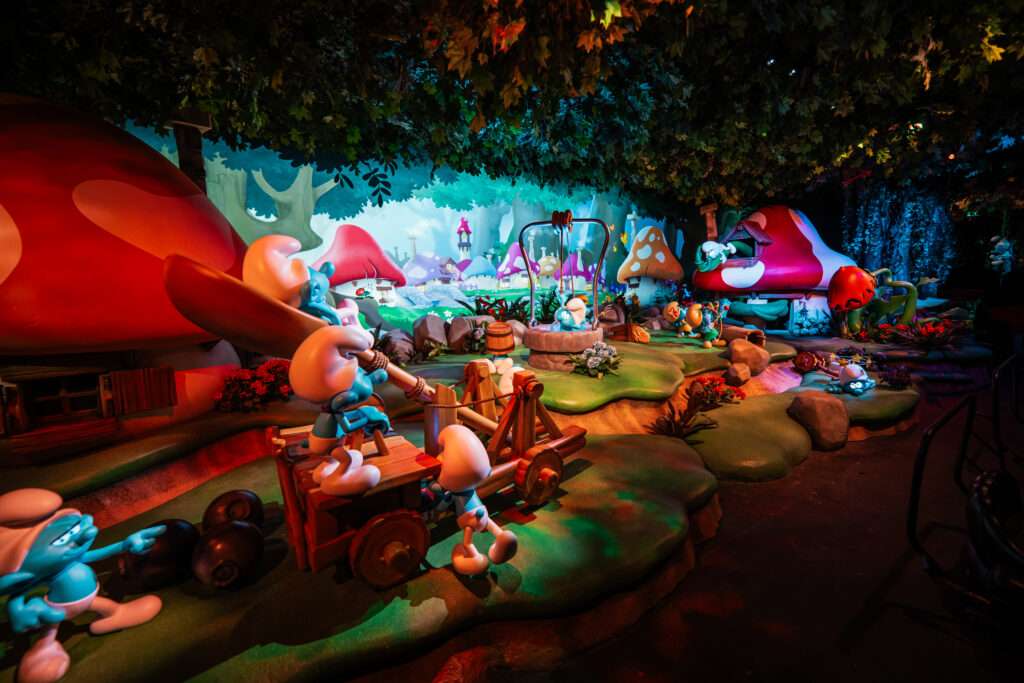
Jora Vision’s Robin van der Want on how technology and a demand for immersive storytelling are creating renewed interest in dark ride attractions
interview by Martin Palicki
In the world of themed entertainment, there’s nothing quite like a dark ride. Over the decades, the format has gone through several revivals, each time propelled by new technologies and creative ambition. Today, a new era is unfolding, one marked by better tools, greater affordability, the increased ability to work within smaller footprints, and strong demand from parks and attractions of all sizes from around the world. To understand what sets this moment apart, we turned to Robin van der Want, Project Director & Creative Producer at Jora Vision. Based in the Netherlands, Jora Vision has delivered attractions around the world for more than three decades and understands firsthand the dynamics and importance of this latest chapter in the evolution of dark rides.
What’s driving the current shift toward dark rides and how are guest expectations changing?
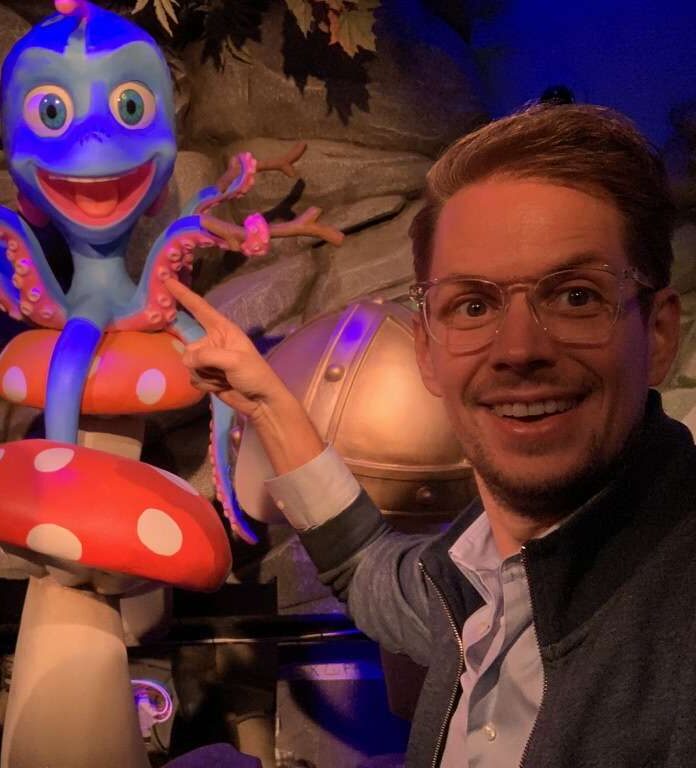
Visitors are looking for more than thrills. In particular, families want to share experiences together, and dark rides provide that opportunity. In today’s world, where people value time spent together, these attractions allow guests of all ages to enjoy immersive environments and storytelling. It’s not about moving away from coasters but about filling a gap with experiences that combine story, characters, and atmosphere. Influences from streaming content and gaming also play a role. Younger audiences expect the imaginative, fully realized worlds they know from media – especially gaming – to be brought to life in real environments, which dark rides are perfectly positioned to do.
Why do you think the rise of dark rides is more than just a passing trend?
Dark rides meet multiple long-term needs. Operationally, they are reliable in all weather conditions and not limited by heat, cold or thunderstorms like outdoor rides. From a business perspective, they broaden the audience beyond thrill seekers and attract families, who often spend more time and money in the park. And creatively, dark rides are the ideal vehicle for storytelling, allowing parks to better tell the stories of their brand or mascot. It’s very difficult to tell a complete story on a traditional roller coaster, but dark rides allow worlds and characters to fully unfold.
Dark rides used to be primarily found at major destination parks. Now, regional parks are investing in them as well. What do you think accounts for this shift?
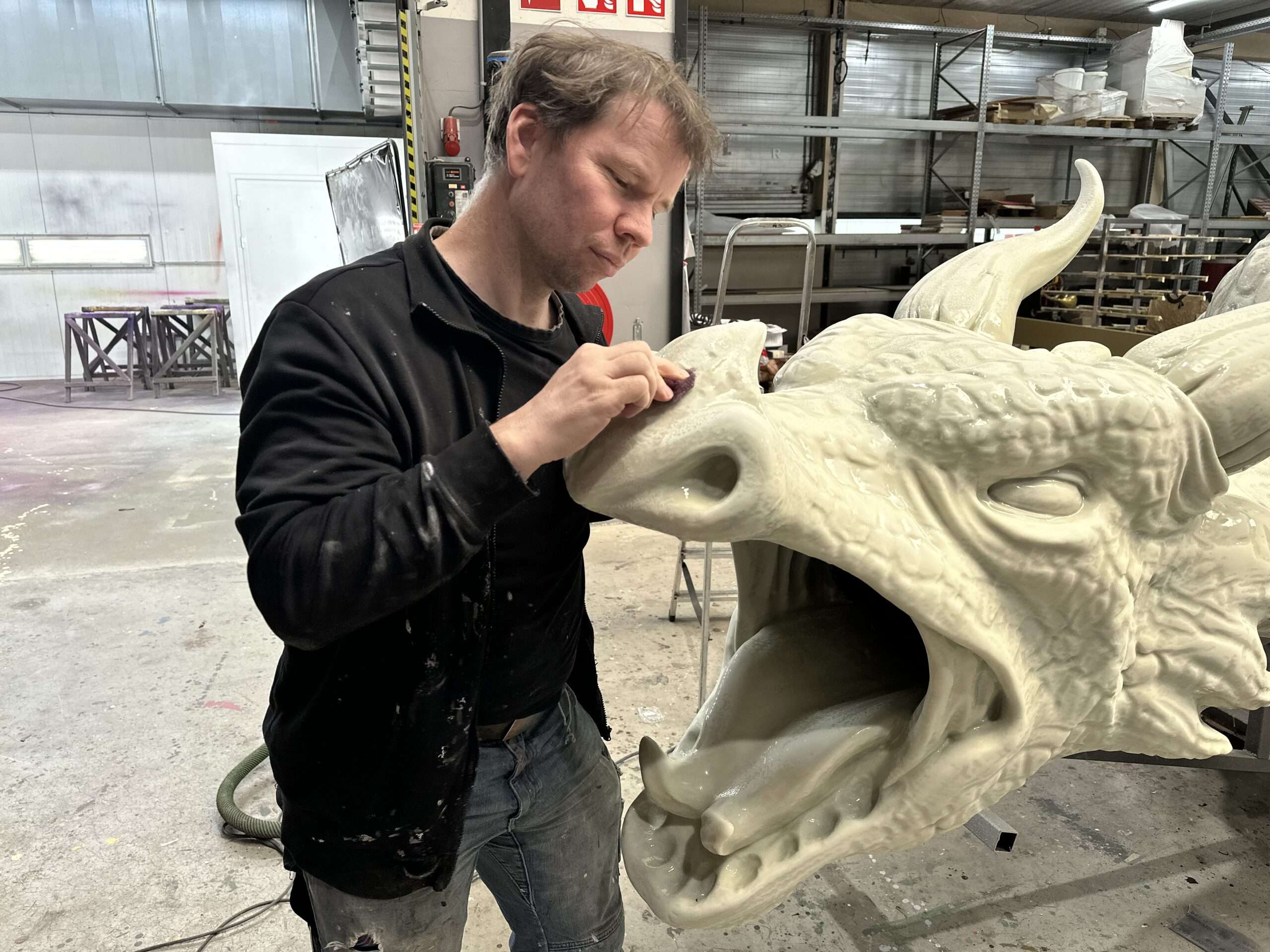
Technology has become more reliable and more affordable. Advances in AV, lighting, and ride systems mean high-quality experiences are no longer limited to the largest budgets. Newer vehicles and tech are allowing dark rides to fit into smaller footprints. This means many regional parks can consider reusing existing buildings for dark rides, which keeps costs manageable. At Jora Vision, we’ve seen strong growth in retrofit projects, where older facilities are repurposed into entirely new attractions.
In what other ways has technology changed the game for dark ride development?
We’re seeing new ride vehicle manufacturers enter the market, which increases competition and innovation. This means more dynamic vehicles at affordable prices. I think we will see opportunities to add thrill elements to dark rides without the scale of a coaster. On the media side, LED screens have become thinner, more versatile, and more cost- effective. They can fit into smaller spaces, be curved or produced in unusual shapes, and last longer with less maintenance than projectors. Projection still has advantages, especially for mapping onto physical sets, but the trend is shifting toward LEDs as they open new creative opportunities.
What role should media play compared to physical sets?
The best dark rides blur the line between the two. The ideal is when guests question whether they are looking at a physical set piece or media. Media should be integrated as an enhancement, not as the sole environment. When done right, media adds movement, transformation, and flexibility, while physical sets ground the story and provide tangible realism. The most powerful experiences are when the two are layered so seamlessly that visitors can’t tell them apart.
What is Jora Vision’s role in dark ride design?
Over the years we’ve built expertise not only in creative development and fabrication, but also in project management and technical integration. A dark ride involves many disciplines (vehicles, media, special effects, audio, lighting, show control) and they all need to come together in one cohesive plan. We often serve as main contractor, managing the entire process from concept to opening. That includes early budgeting, responsibility matrices, and integration of show elements. Clients increasingly recognize that this holistic role is essential for success, and it’s an area where we excel.
How important is interactivity and gamification in today’s dark rides?
Interactivity can be powerful, but it’s not always necessary. The key is determining whether it adds to the experience. Sometimes interactivity is framed as shooting games, but it can also mean achieving collective goals or allowing guests to influence the environment. Gamification adds another layer. It can enhance replayability or create new opportunities such as special event modes allowing for tournament competition during a corporate buy-out, for example. But not every dark ride needs interactivity. Some of the most memorable experiences come simply from immersion and storytelling.
How do you balance guest experience with throughput and operations?
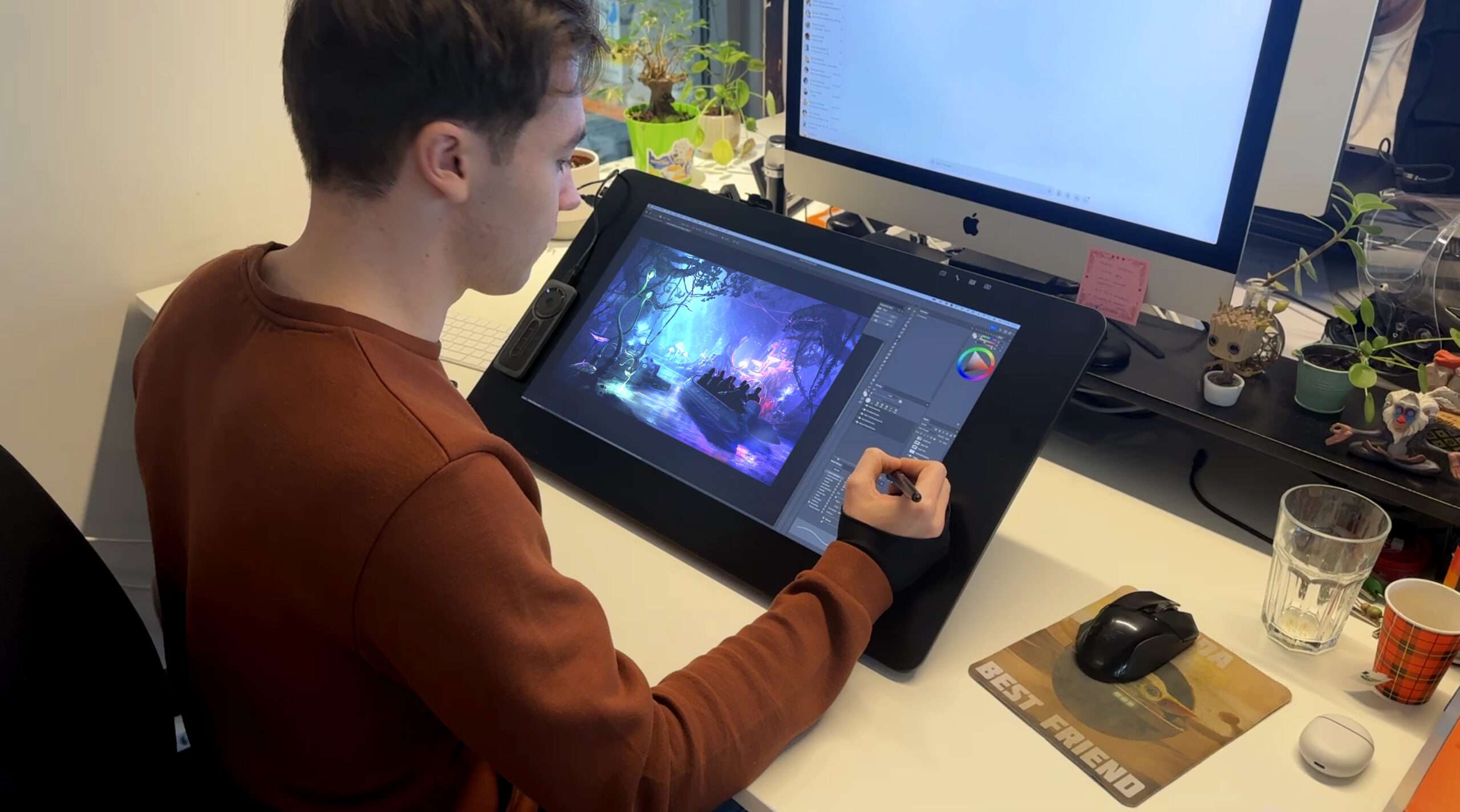
We begin with the practical foundations: track layout, queuing, loading, safety, and capacity. Those parameters shape the creative work, not the other way around. For example, we design buffer zones into layouts so that dispatch delays don’t disrupt the flow of the ride. Accessibility is also a priority, from ADA-compatible vehicles to clear evacuation routes. By addressing operations from the start, we ensure the creative vision is sustainable and the ride is profitable in practice.
Which regions are driving demand for new dark rides?
The Middle East is a major growth area, with many parks planning dark-ride-heavy portfolios. At the same time, we’re seeing a rise in requests from regional parks across Europe. That’s significant. It shows dark rides are no longer exclusive to the largest players but are becoming part of the standard mix for parks of all sizes.
Where do you see the next creative breakthroughs coming from?
As I mentioned before, ride vehicles are evolving quickly. More compact, dynamic systems allow thrilling experiences in smaller footprints, opening the door for regional parks to offer attractions once reserved for the biggest operators. Advances in LED integration and track layouts also give designers more tools for variety and surprise. In the long term, we expect to see dark rides that combine family appeal with true thrill elements, competing head-to-head with coasters on guest excitement and ROI.
What excites you most about what’s ahead?
What excites me is how we are helping make this entertainment medium more accessible for operators around the world. As dark rides become more achievable for more parks, creativity will flourish. Designers will experiment with different “recipes” of technology, story, and gameplay. We’re also on the verge of dark rides that challenge coasters not just in storytelling, but in delivering thrills – all while remaining inclusive, reliable, and immersive. That combination has the power to redefine what a park’s signature attraction can be. •