


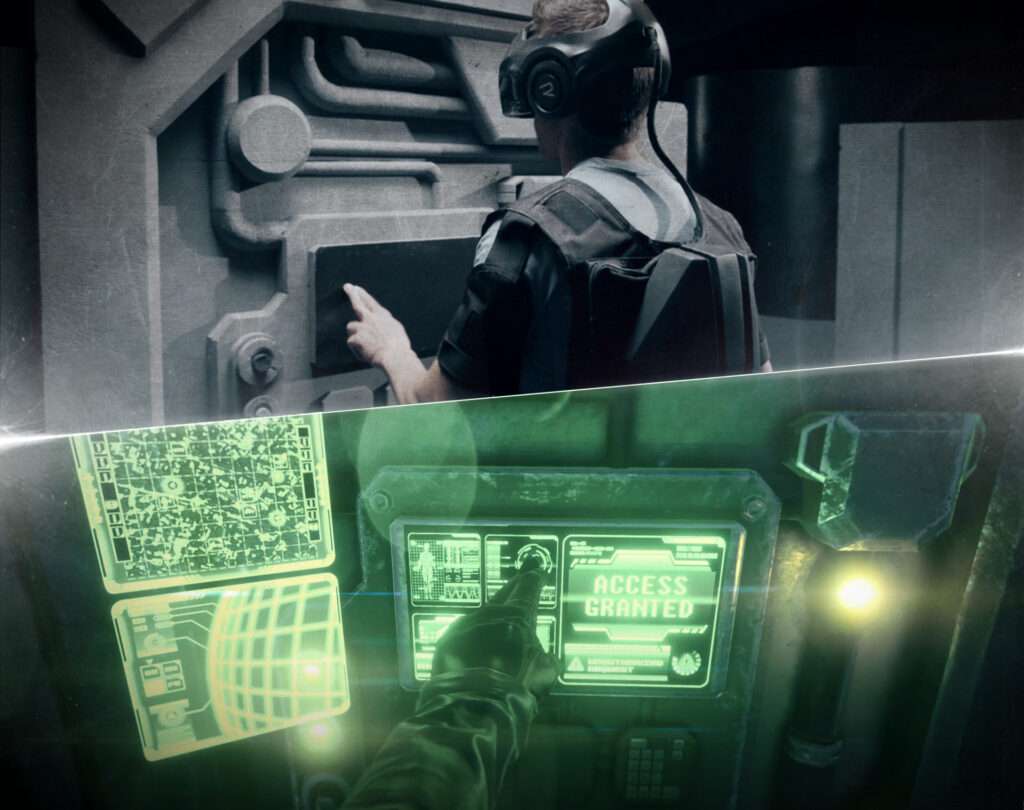
Simtec Systems and The VOID collaborate on a new, compact dark ride attraction model
by Martin Palicki and Judith Rubin
Drawing on both companies’ strengths, Simtec Systems and The VOID are working on a new attraction platform that pairs Simtec’s motion-base engineering with The VOID’s immersive premium content and sensory design. The goal is to provide compact, versatile, immersive attractions for operators who want to deliver a layered experience to guests but don’t have the real estate or capital expenditure for a multi-scene, high-capacity ride. This collaboration promises to package high-quality motion and environmental storytelling into a smaller, serviceable footprint.
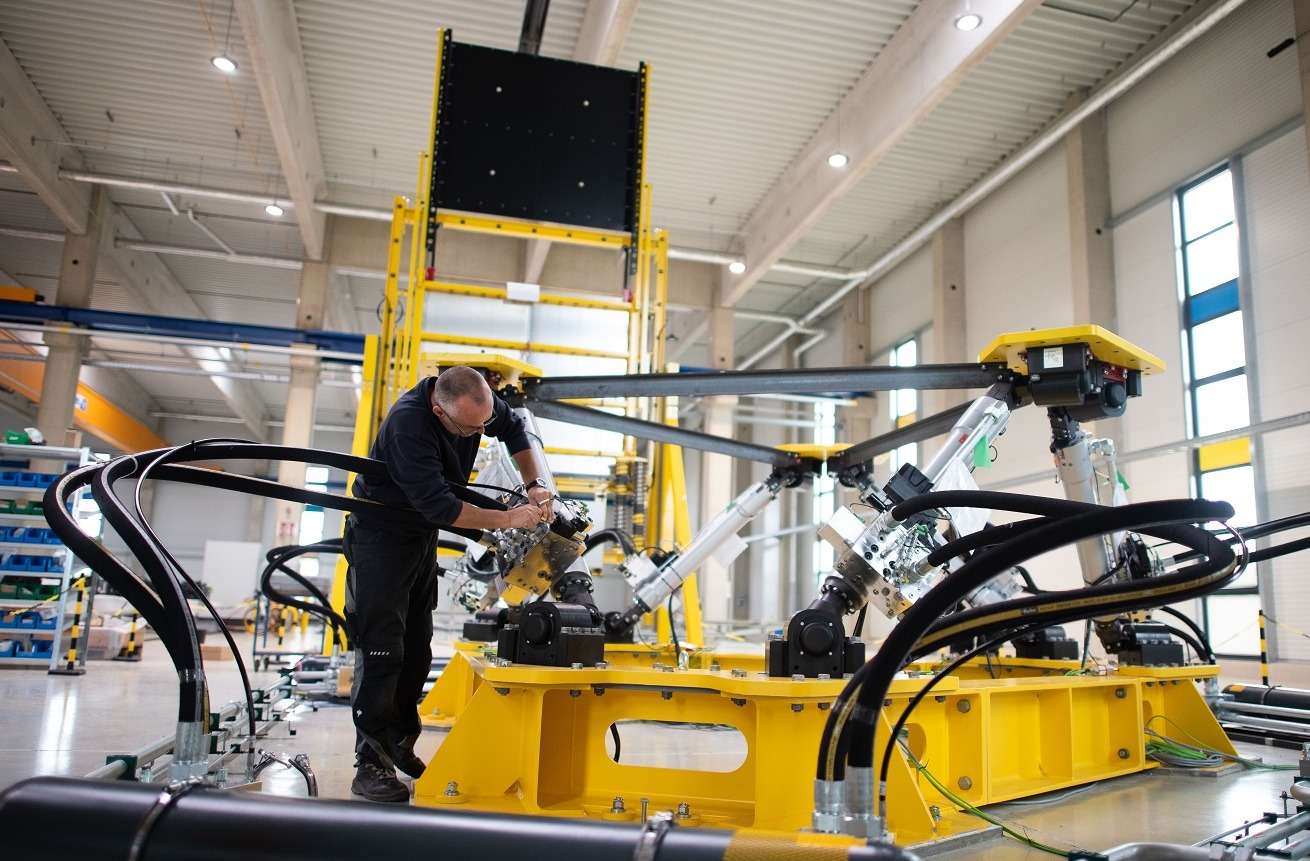
Simtec Systems is well respected in the industry. The German engineering firm has spent decades building motion bases and simulation systems that power attractions around the world. From 2DOF platforms to large-scale motion theaters, its reputation rests on reliable hardware, safety redundancies, and the kind of service support that operators rely on.
The VOID, meanwhile, built its brand in the mid-2010s pioneering premium immersive, location-based experiences that combined VR visuals with practical sets and tactile environmental effects. While the earlier ventures of this U.S.- based innovator took the form of stand-alone entertainment venues, its core strength has always been in creating multisensory presence – making guests feel like they’ve stepped inside the story, not just observed it on a screen.
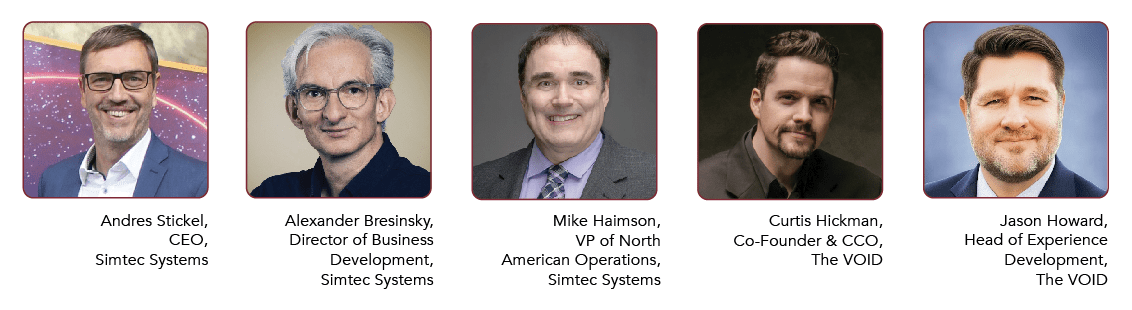
Both companies understand the attraction business, and both bring seasoned leadership to the table. Alexander Bresinsky, Director of Business Development; Andreas Stickel, CEO; and Mike Haimson, VP of North American Operations, anchor the effort on the Simtec side. At The VOID, Co-Founder and Chief Creative Officer Curtis Hickman and Head of Experience Development Jason Howard are shaping how the storytelling, media, and physical environment come together to deliver a constant motion experiences that goes beyond the limitations of a stationary simulator.
A straightforward ride model
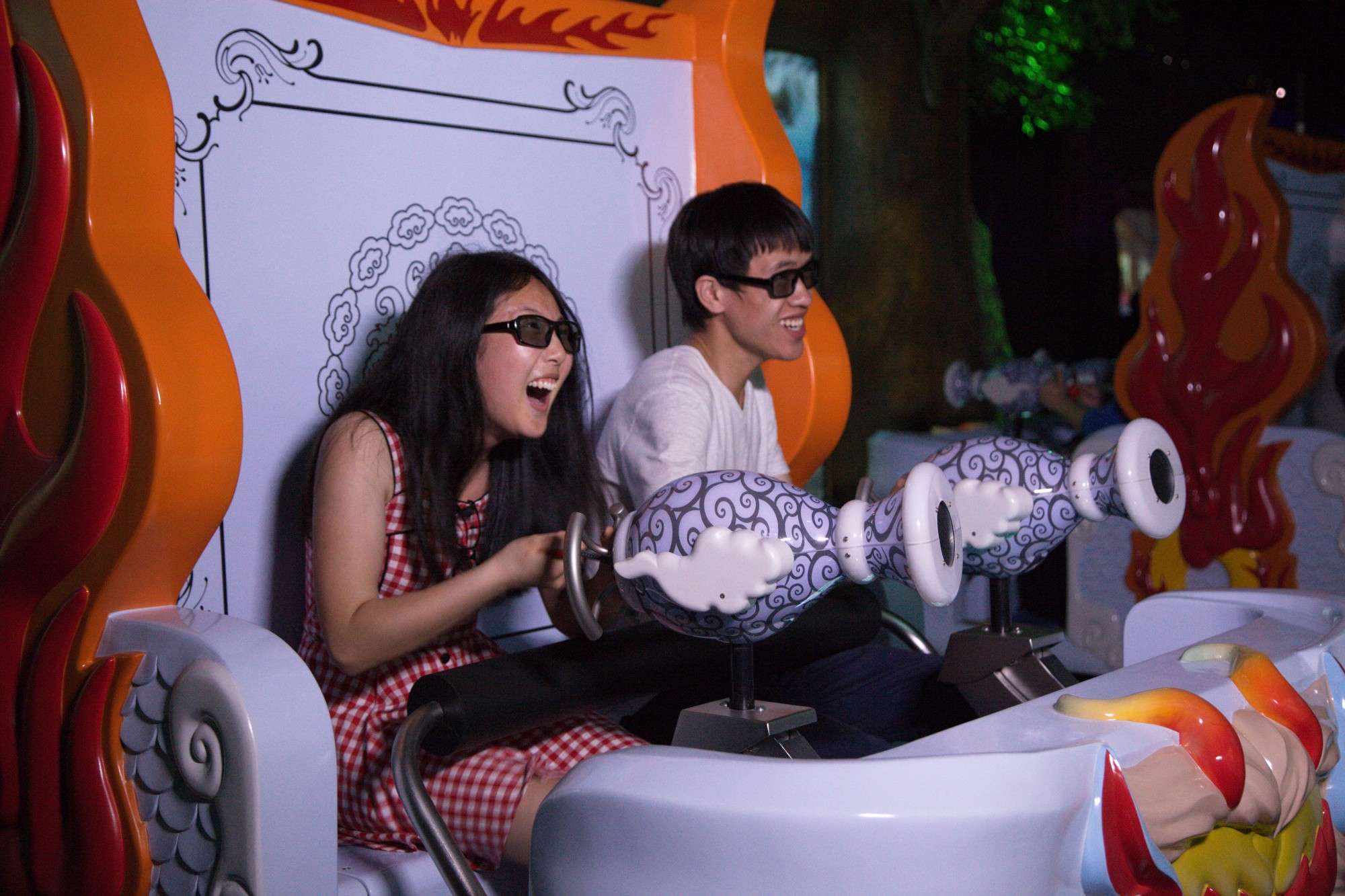
The concept is deliberately straightforward: a compact, motion-based experience and platform that can be deployed in spaces smaller than a traditional show building. Guests will board a Simtec vehicle designed to deliver precise, sustained and reliable motion tuned for comfort as well as impact.
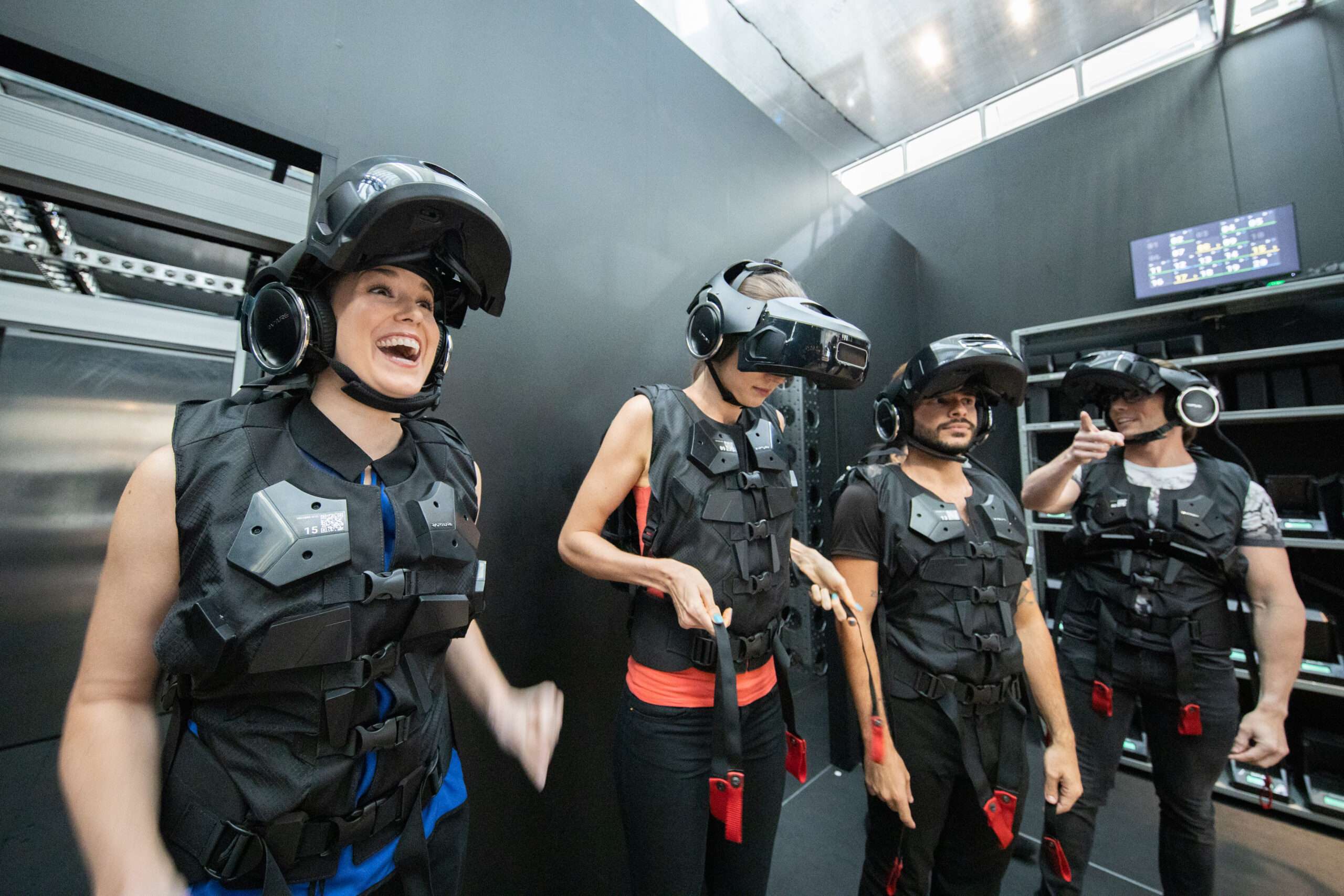
Integral to the story and experience is the VOID’s multimedia content and effects package: headset-based visual media, sound design, targeted haptics, and environmental elements like wind, heat, or scent. Because the show environment is virtual, the ride can be adapted for different stories. The platform is being built with content flexibility in mind. Operators will be able to rotate titles from one ride vehicle to the next without dismantling the infrastructure.
“We designed this to be realistic about what operators need: efficient loading, reliable vehicles, and content that can be constantly reimagined without a construction crew,” said Hickman. “Best of all, it uses state of the art illusion technology to truly immerse guests in seemingly endless worlds.”
A savvy marriage of media and motion
The strength of this collaboration comes not just from the individual capabilities and expertise of each company and how well they align, but also from field experience and understanding of markets, audiences and best practices.
The team is well-positioned to avoid one of the most common pitfalls in ride development: bolting effects and media onto an engineering package after the fact. Instead, motion, sound, story and tactile elements are being designed in tandem.
“We’re working toward a system that isn’t just technically sound, but authored from the inside out to make guests feel like they are part of the story” said Howard. “When you design motion and effects as part of the storytelling language, everything feels more natural.”
Space, capacity and refresh
This attraction model is positioned somewhere between a simple simulator and a full-scale themed attraction, aiming for a sweet spot of high impact with moderate build requirements. Cruise lines, regional parks, FECs, urban entertainment centers and mixed-use developments are likely markets; the ride’s footprint is small enough to fit in unconventional spaces, and its refreshable content could align with seasonal itineraries.
“Basically, we expect to serve operators looking to add a premium upcharge attraction with lower operational complexity than a full dark ride,” says Haimson. “Many operators are eager for attractions that can be big enough for strong guest appeal and attendance impact – even a headliner attraction – but not so big that they’re out of reach. Our platform is meant to live in that middle ground. It can transform a previously under-utilized zone, and with modular content it encourages repeat visits.”
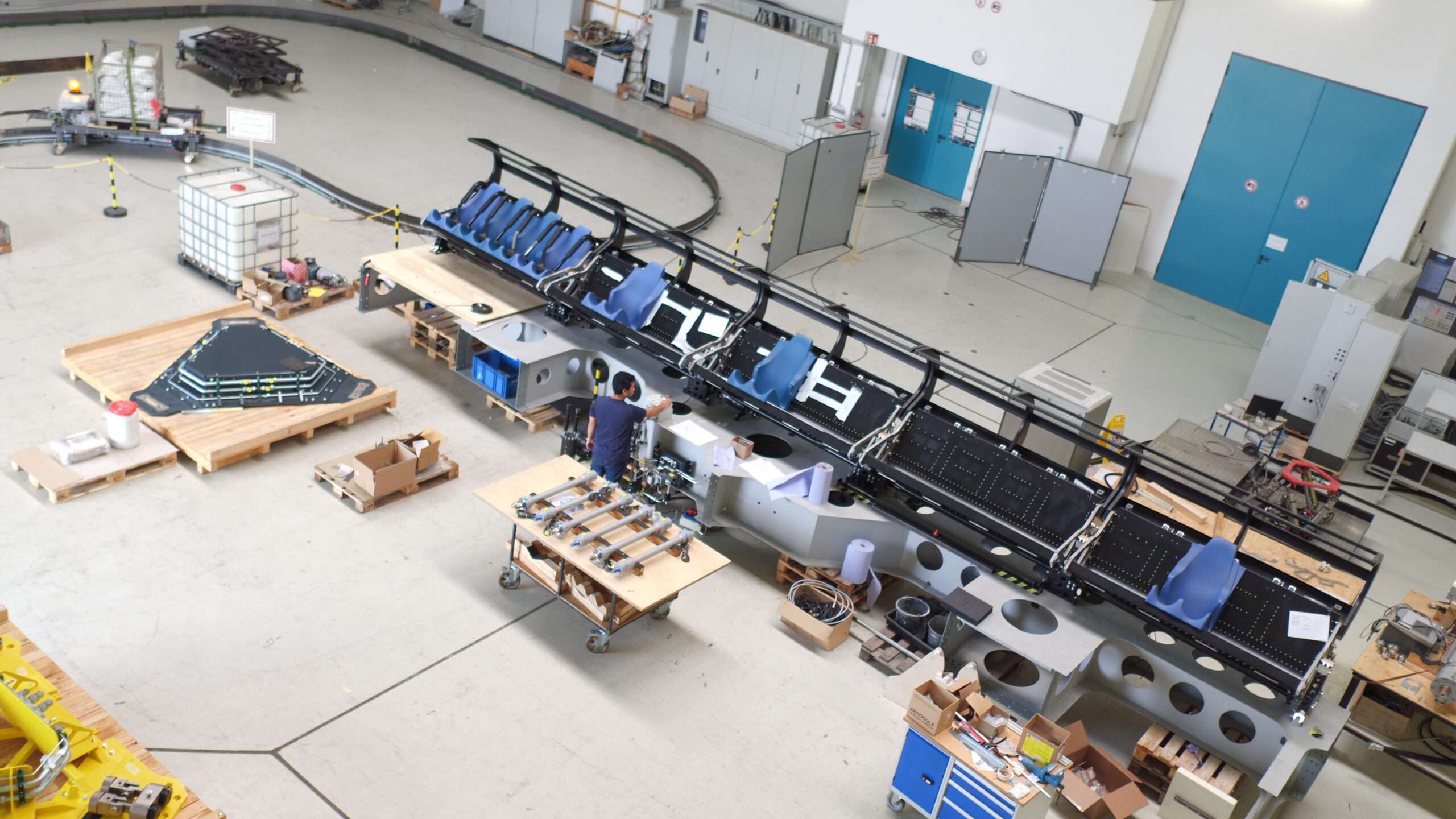
Since the platform is built to support multiple shows over its lifetime. Swapping media packages while retaining the core vehicle and effect infrastructure helps make long-term investment more sustainable. For operators, that means the attraction can change regularly without rebuilding from scratch.
Operational realities and a measured rollout
The companies are also clear about the operational realities. Motion systems require consistent maintenance, spare parts planning, and trained staff. Effects systems need regular calibration and checks to keep the show consistent.
Since headsets are used for visual delivery, operational planning around distribution, sanitization, and turnaround for the devices will be critical. “Operators know there’s no such thing as a maintenance-free ride,” said Bresinsky. “We’re designing for serviceability from the start, but good operations are always going to matter.”
Simtec and The VOID plan to start with pilot installations. These will allow the teams to test comfort profiles, dispatch intervals, show timing, and daily cycle counts in real-world conditions. Early results will guide refinements before broader deployment.
“Our partnership brings together complementary strengths and a pragmatic plan, but success will hinge on the nitty-gritty: things like reliable hardware uptime and speedy guest processing,” said Stickel.
The partnership and concept bring together engineering and experience design with the kind of modular thinking that increasingly defines the modern attractions landscape and benefits operators with more flexible investment strategies.
Instead of locking into a single ride concept for a decade, each ride vehicle can dynamically show a different experience encouraging repeatability or taking advantage of seasonal content refreshes or IP opportunities. Said Stickel, “This will be a stable, repeatable product.” •
To learn more, please visit the Simtec Systems booth at the IAAPA Expo, #1354, or email Info@Simtec-Americas.com.
——
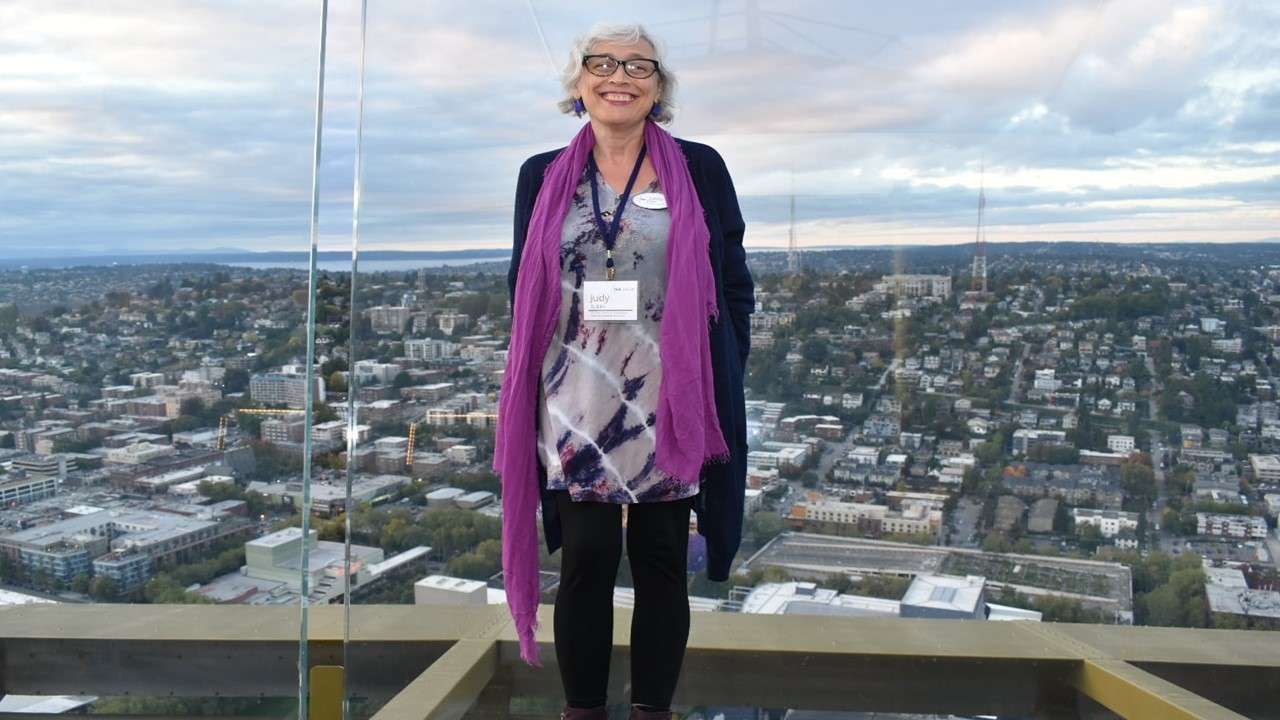
Judith Rubin (rubin.judith@gmail.com) is a leading journalist, publicist, strategist, blogger, content marketing specialist and connector in the international attractions industry. She excels at writing about all aspects of design and technical design, production and project management.
Judith has ties to numerous industry organizations. From 2005-2020 she ran communications for the Themed Entertainment Association (TEA). She was honored in 2013 with the TEA Service Award. She served as development director of IMERSA, and publicist for the Large Format Cinema Association, and has contributed to the publications of PLASA, IAAPA and IPS.