


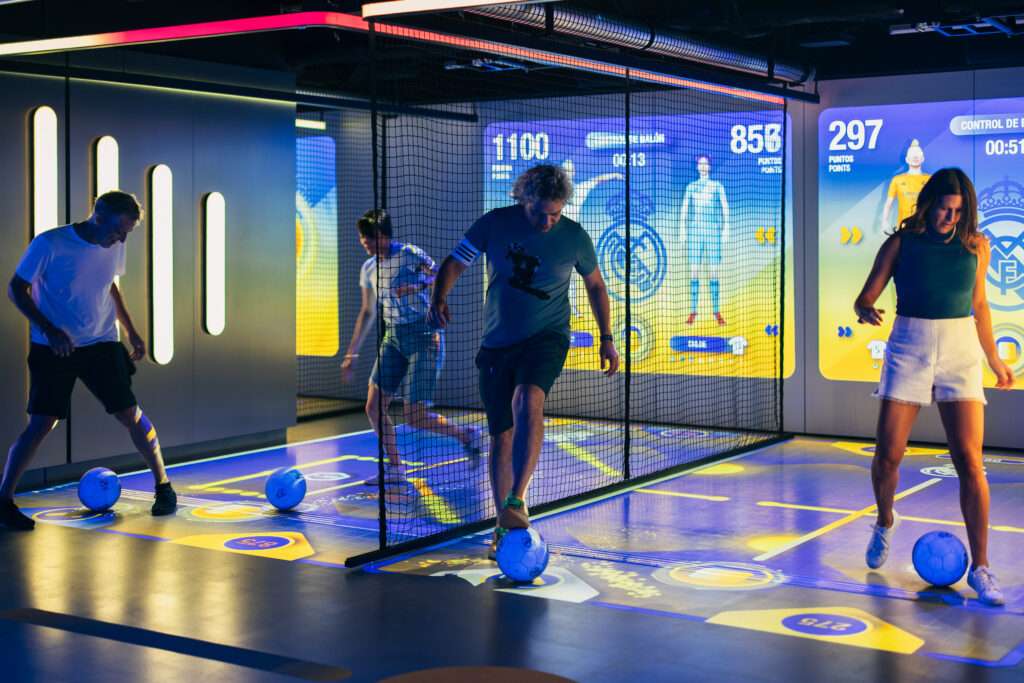
by Dominic Audet, Co-Founder & Chief of Innovation, Moment Factory
The evolution from attention to connection
Moment Factory
For decades, brands, urban destinations, and theme parks have competed for visibility, measuring success through reach and digital KPIs. This attention economy has shifted the discourse on the value of these metrics. The infinite content, game mechanics and ubiquitous screens of the digital age have fundamentally reshaped how we experience and interact with each other. Destinations do not compete on impressions and clicks, or the behavioral constraints of attention. They aim to generate persistent and cumulative relationships with people, real-world conditions for emotional connection and cultivating a sense of belonging.
After designing more than 600 large-scale public and cultural experiences around the world over 25 years, we’ve seen this shift take place. The places people return to and talk about are no longer the loudest or most visible. They are the ones that create remarkable shared moments, spark emotion, and guarantee to leave a lasting memory. Attention may get people through the door, but forging connections through authentic shared experience is what makes destinations stand out, making people stay longer and return again.
Multi-layered experience design
Some of the world’s most digitally native companies are now investing heavily in physical, real-world experiences to extend their impact. Urban developers and themed destinations are recognizing this change as well. Around the world, we’re moving away from single-purpose destinations toward living models where different generations, interests, and activities coexist. Entertainment and culture are no longer programs considered at the end of a project; they have become anchors. Mixed-use development is creating innovative hybrids, with emotional gravity becoming the driving purpose of destinations that succeed in bringing people together. Happiness, belonging, and community are no longer abstract outcomes; they are central design principles shaping how places are imagined and built.
Working across verticals – from concerts, festivals, public space activations and hospitality programmed in theme parks like in urban development and sports venues – we see a future of experience design in placemaking where these layers coexist in an annual schedule. By programming them with local and authentic flavor, destinations can integrate this thinking from the earliest stages of master planning, deepening engagement and reclaiming the appeal and cultural resonance that truly draw local audiences with repeat visits and give tourists a remarkable authentic experience to remember.
A themed entertainment mindset
For example, applying a themed entertainment mindset to a sports venue enables operators to blend storytelling tied to the venue’s identity and IP with creative, immersive design, bringing the space to life year-round while preserving its integrity and core function.
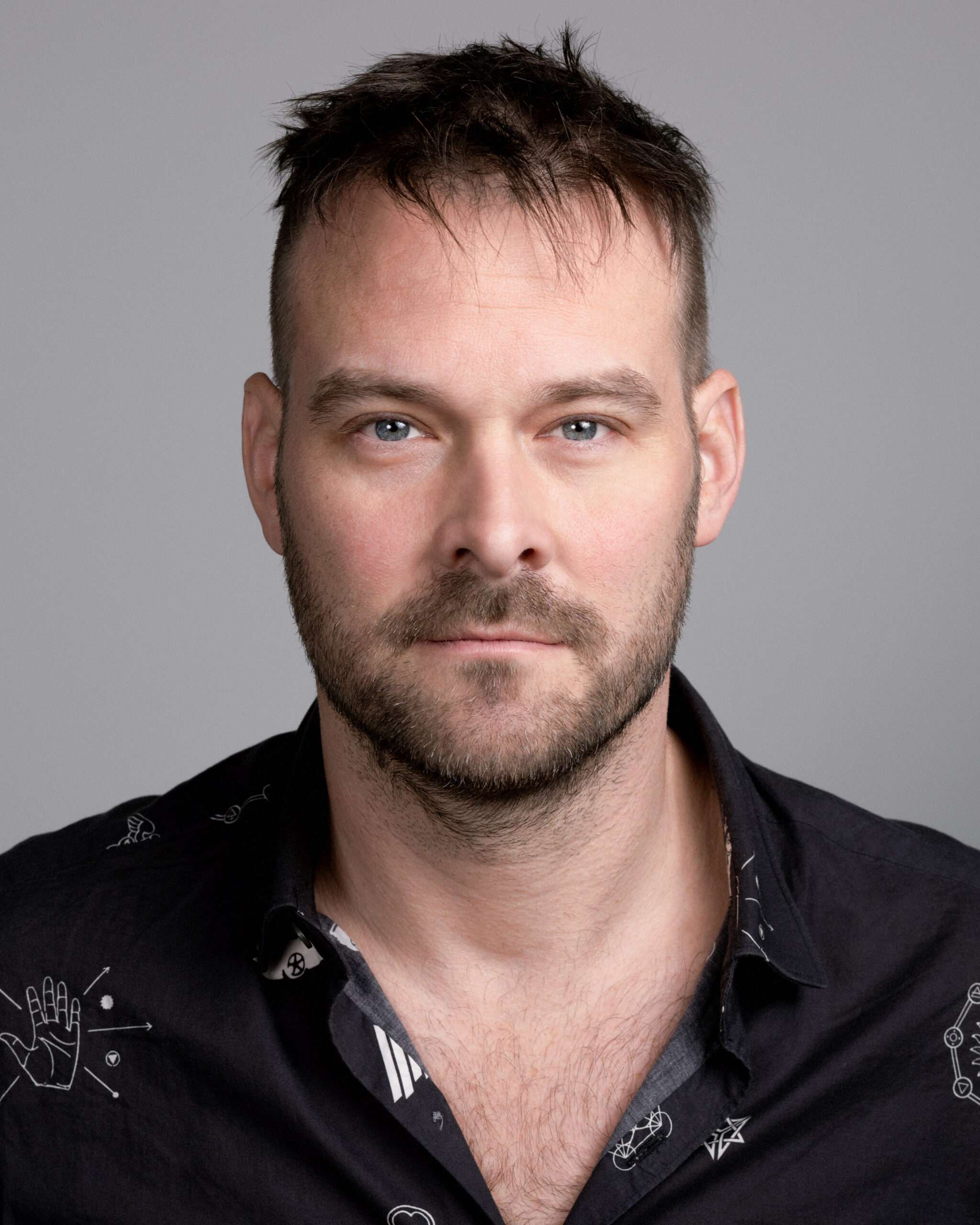
Realmadrid Games, a permanent addition to the newly renovated Bernabéu Stadium in Madrid exemplifies this approach in action. The objectives of Real Madrid were to strengthen the connection between fans, the team, the stadium, and the city of Madrid, while generating new revenue streams on non-match days and optimizing underused infrastructure.
While Real Madrid is one of the world’s most powerful sports clubs, Bernabéu, like many stadiums worldwide, faces the challenge of maintaining engagement with the public on non-match days. In close collaboration with the club, we developed an innovative experience that transforms the stadium corridors into a multi-level, Real Madrid-themed gamified journey. This modular attraction, which does not obstruct high traffic on game days, combines interactive technology and immersive media, allowing players to progress from “rookie” to “elite” status via connected devices and custom avatars wearing the club’s colors.
Emotional bonds through shared collective experiences
Why does it work? Everything we do is guided by a simple belief: people form strong emotional bonds through shared collective experiences. Human connection always comes first in the design. From there, we craft narratives rooted in place, purpose, and audience, using creative and multimedia tools to transform spectators into participants. When people actively engage with each other – not just coexist – emotional impact becomes deeper and more enduring.
Immersion and interactivity play a central role in this, allowing people to connect directly and emotionally with their surroundings, moving from passive observation to active participation. Sound and music are particularly essential; with our roots in the music world, we know they create the heartbeat of an experience, synchronizing emotions and generating collective energy that transcends language and culture.
Hidden technology at the service of human connection
Technology, when used well, supports the goal of immersion and enhances participation with interactivity. The most powerful technologies are often the least visible, seamlessly integrated into the environment. Storytelling, scenography, and sensory design are just as vital as digital systems. It is the creative integration of technology that amplifies wonder and magic in an experience, giving people the feeling of living something truly remarkable.
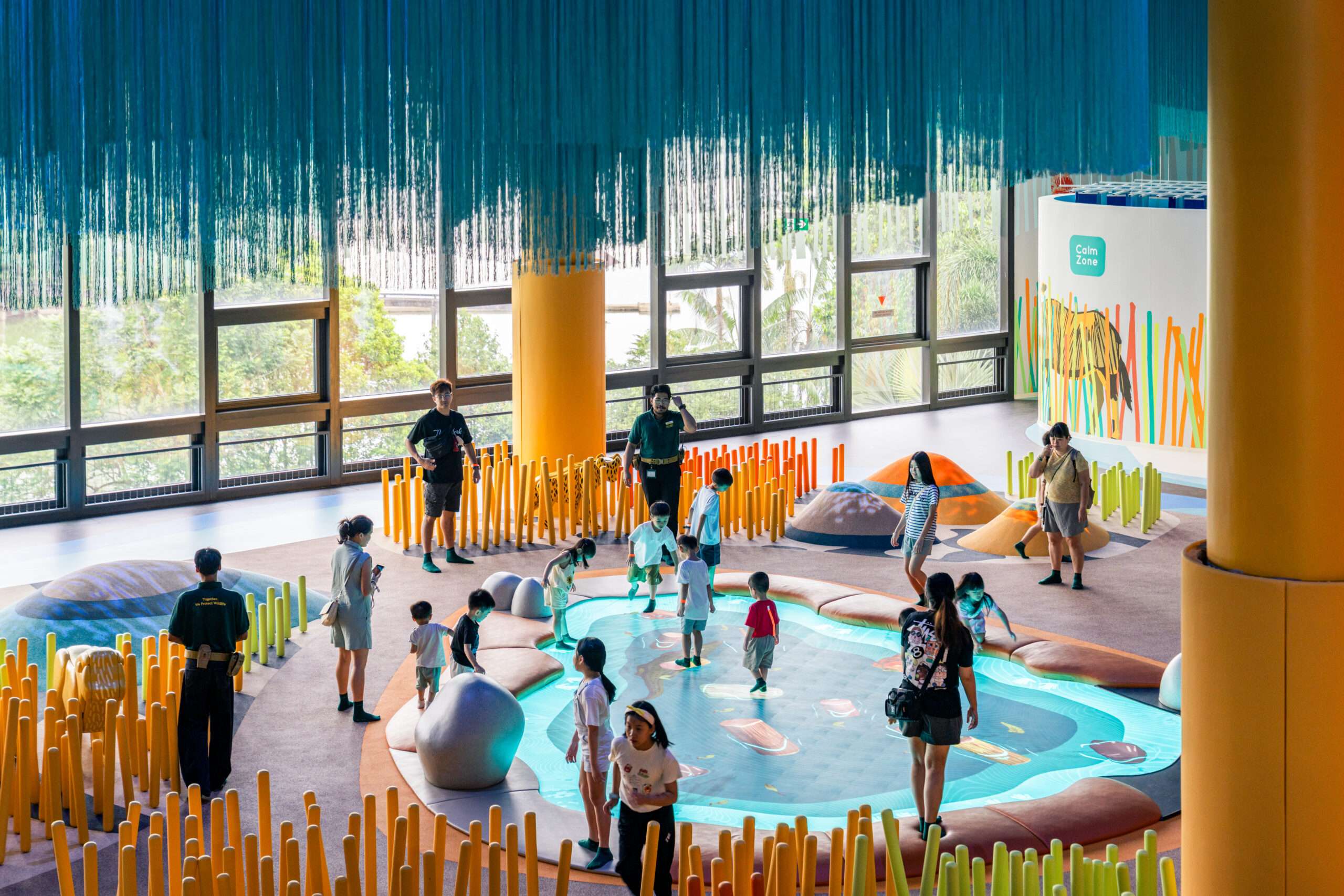
At Curiosity Cove at Mandai Wildlife Reserve in Singapore, we were commissioned as lead experience designers to create a permanent attraction that sparks children’s curiosity for the natural world. The 4,600-square-meter space features more than 30 tactile and interactive elements where technology – from sensors, projectors, and lighting to spatialized sound – is thoughtfully embedded directly into the architectural elements, creating a unified physical and digital environment where movement awakens hidden life or alters light and sound.
Building bridges for the future
Looking ahead, destinations will be judged by how they make people feel. Engagement through participation and emotional resonance will become key indicators of success. Entertainment and play are powerful enablers, lowering barriers, encouraging connections and building bridges across cultures and generations to create thriving communities.
As we approach 2026, this shift is accelerating. Moment Factory is committed to being part of this movement, continuing our international expansion with new offices in Abu Dhabi and Riyadh, supporting the growing demand for transformative experiences in the Middle East.
The opportunity within theme park destinations lies in their ability to experiment with new forms of social experience. Entertainment creates a unique mindset – one where visitors momentarily leave behind the complexity and seriousness of everyday life to reconnect with joy and shared human emotion. These environments can become modern sanctuaries: living testbeds for how future cities might feel – contemporary utopias where people genuinely see and connect with one another. In celebrating life together, they remind us that we belong to something larger than ourselves. •
Dominic Audet is Co-Founder and Chief Innovation Officer of Moment Factory. From Montreal’s rave scene roots to building a global immersive entertainment company, he now drives innovation for world-class destinations, blending architecture, technology, and storytelling to create remarkable experiences that connect people in the real world.