
What an inclusive LBE industry feels like in five years
THIS IS THE SECOND COLUMN IN A SERIES WITH BIG BREAK FOUNDATION, BRINGING READERS INFORMATION ON TOPICS OF DIVERSITY, EQUITY, INCLUSION AND ACCESSIBILITY.
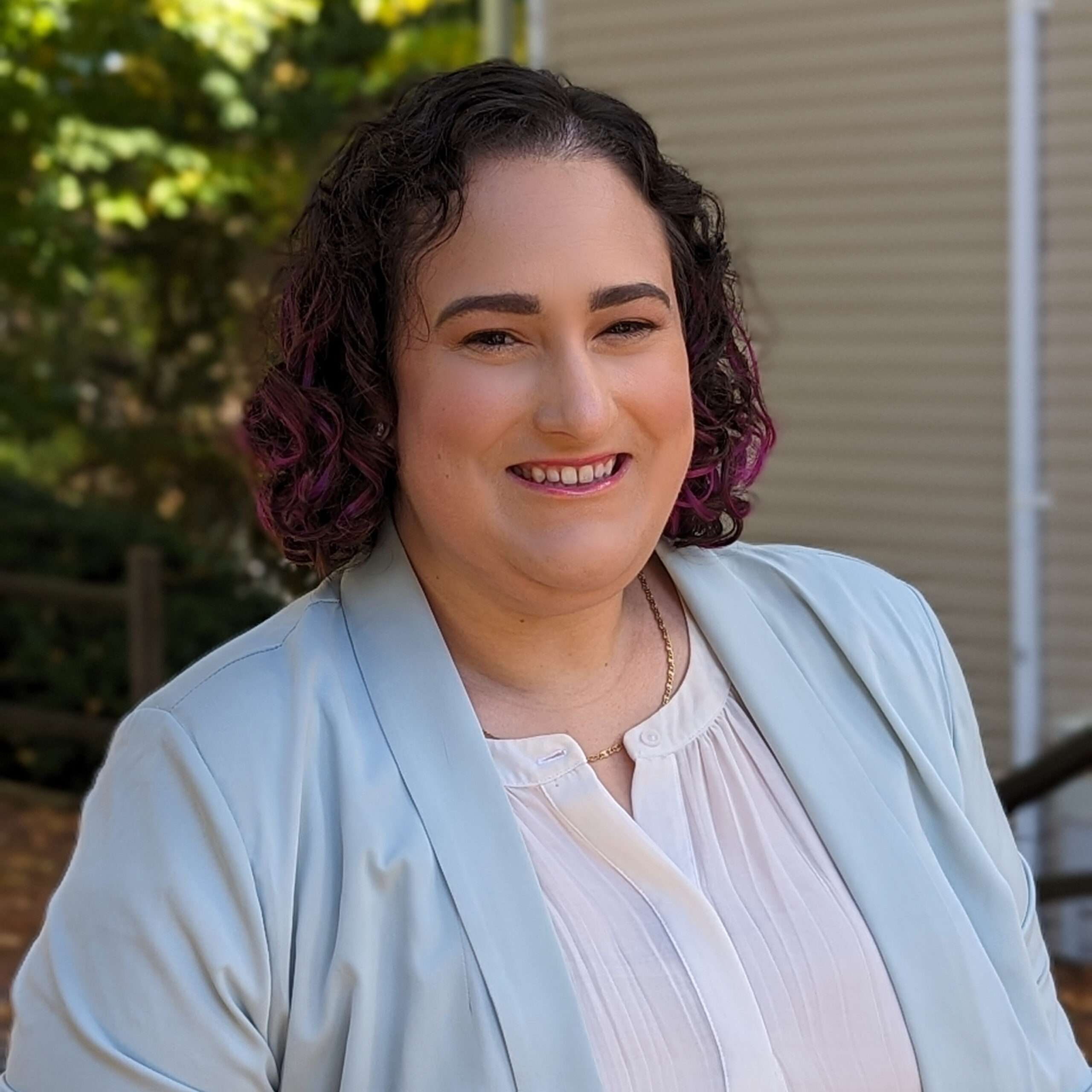
by Simone Bonnejonne, Development Director, Big Break Foundation
Theme parks are at their strongest when they’re for everyone.
As a born-and-raised Floridian, I’ve always treasured my time in one of the many Location Based Experiences (LBEs) my region has to offer. The joy and awe I felt as a child has transitioned into nostalgia and comfort, and parks across the country continue to draw me back repeatedly. But occasionally, I’ll have an experience that snaps me out of the fantasy and makes me wonder whether everyone else around me is really feeling the magic, too.
A few months ago, I stopped to take a call outside of a popular ride at one of my favorite parks. I was sitting on a bench next to another woman, and it wasn’t until I finished my call that I realized there were tears rolling down her cheeks.
“Hey, are you okay,” I asked. “Can I get someone for you?”
“No, that’s okay,” she said. “I’m here with my family for my birthday.”
“Well, happy birthday!” I replied. “Are you waiting for them to get off the ride?”
“I am,” she said, “but not by my choice.”
She went on to explain the bittersweet conflict she always feels when coming to the parks. She’s also a life-long fan of themed attractions – the characters, the atmosphere, the magic. But she went on to share how even though she’s focusing on her health, she often faces the embarrassing moment of trying to board a ride and realizing she just won’t fit. Sometimes she can try a tester seat before she gets in line, but some rides don’t have that option and she doesn’t want to risk feeling ashamed in a place where she should only feel happiness.
“I want to do everything here just like everyone does,” she said. “It’s embarrassing. A lot of times, I feel like I literally don’t fit in.”
As a member of this industry, I know themed entertainment has made great strides in addressing accessibility and inclusion in theme park experiences. I’m always proud to see ride vehicles that can accommodate wheelchair users readily available on some of the most iconic attractions. Every June, I look forward to the reappearance of rainbows throughout our parks, welcoming LGBTQIA+ guests and their families. And I feel so reassured that whether I’m visiting with my husband who has a nut allergy, or my friends who keep Kosher, everyone will find something delicious to snack on in the parks.
But I also know there’s so much more we can do. After all, everyone deserves some magic in their lives.
In my vision for the future of theme parks, our industry intentionally builds experiences to be more accessible and inclusive. Attraction queues – even those of legacy attractions – are designed with gentle inclines and room for mobility devices to move freely alongside everyone else. In this version of the future, ride vehicles are designed to accommodate diverse body shapes and mobility aids. Guests who need additional support face fewer barriers, and employees are knowledgeable about the types of support available. Inclusion is part of the blueprint, and not just an afterthought.
Wayfinding of the future is multimodal, and tools like tactile maps allow all guests to experience everything an attraction has to offer. Guests can decompress in low-sensory spaces that are intentionally placed throughout a park or experience. Naptimes and bathroom breaks feel less like chores thanks to covered rest areas and family restrooms. Sensory-friendly hours are a regular offering rather than a rare opportunity.
And while there are cool, new technology integrations to experience, not everything requires a smartphone. In the future, inclusive design recognizes that not everyone wants to feel plugged in constantly, and that smart technology isn’t fully accessible for all.
The stories feel different, too.
In this future, the creative teams behind themed experiences reflect their audiences. That’s not a coincidence; it’s an intentional practice. Diverse voices and perspectives aren’t brought in at the end to check a box. Instead, they have a seat at the table from the beginning to share their lived experiences. Team members are empowered to tell stories that are accurate and culturally resonant. Characters expand beyond stereotypes, and stories aren’t filtered through a single culturally dominant lens.
When guests see themselves reflected in a themed space as the protagonist, their experiences shift. Suddenly, the story isn’t just something they’re observing, but rather something that belongs to them. They become the hero and can fully lean into immersion.
That sense of belonging extends to the workforce, too. In our future industry, employees in all roles show up to work knowing they can authentically be themselves. Their creativity isn’t constrained by the need to suppress their identities or shrink to take up less space. They are collaborating with team members that reflect the world they live in.
This future is built on the premise that inclusion is not an add-on. Instead, it’s a core component in the creative process.
When we design with and for underrepresented communities first, we build something more engaging for everyone. This is not a new idea; universal design has always benefited the larger society. But in the LBE industry, where so much effort goes into crafting emotional resonance and transporting guests to another world, the stakes feel particularly high.
Because what’s the point of building a world some people can’t enter? Why bother telling a story in which some guests feel invisible? We can’t risk losing some guests or audience members simply because we didn’t include them in our plans.
There’s so much we’re getting right in theme parks right now. That being said, we can always do even more to make sure all guests can forget their cares when they enter our attractions. If we want to foster belonging, we need to start with inclusion. Small intentional choices today can lead to much larger ripples in our LBE industry in five years. The future starts now. •
Simone Bonnejonne is a community-minded nonprofit professional with over a decade of experience in fundraising strategy, donor cultivation and stewardship, and network engagement. She is the Development Director at Big Break Foundation, a 501(c)(3) nonprofit dedicated to making the Location-Based Experience industry more inclusive and welcoming to all.

