
EXPLORING THE PROS AND CONS OF USING INTELLECTUAL PROPERTY IN DESIGNING ATTRACTIONS FOR THEMED ENTERTAINMENT
by Benoit Cornet, BoldMove Nation
In the attractions industry, intellectual property (IP) is often perceived as the ultimate accelerator. A recognizable brand promises emotional engagement, immediate awareness, and commercial appeal. But IP alone does not create a successful attraction. It is the way it is translated into space, movement, story, and interaction that determines whether it becomes timeless or forgettable.
At its best, an IP brings emotional equity from day one. Guests already know the characters. They understand their personalities, their conflicts, their humor, and their world.
However, recognition alone is not enough. Not every film, comic strip, or animated series lends itself to a physical attraction. Cinema operates through framed perspectives and controlled storytelling. Attractions are spatial and experiential. Guests move through them. They look around. They interact. The story unfolds in 360 degrees.
For an IP to succeed in this environment, it must offer more than popularity. It needs multidimensional characters, a universe, supporting roles, and narrative that can be translated into physical environments.
So choosing the right IP approach for a ride or attraction requires careful strategic consideration.
Power and complexity
Global IPs such as The Smurfs, Harry Potter or Avatar demonstrate the power of established storytelling. But they also introduce complexity.
Major licenses are often expensive and come with strict usage guidelines. IP owners may apply detailed rulebooks that limit creative flexibility, sometimes without fully understanding the operational dynamics of the theme park industry. What works in cinema does not automatically work in a ride system.
There is also the question of longevity, which depends on large production studios. Films may dominate the box office for a few years, but a dark ride typically has a lifespan of ten to fifteen years, often longer.
Interestingly, some attractions inspired and outlived their cinematic versions. Pirates of the Caribbean began as a ride before becoming a film franchise. Disney’s Haunted Mansion remains iconic despite its movie adaptations fading from memory.
The Belgian Tomorrowland is another example of a festival organizer that created an IP with an entire universe and storyline, which they recently lent to a rollercoaster and themed park area.
It is clear that when choosing a major IP, long-term emotional resonance matters more than temporary hype.
Emotional roots
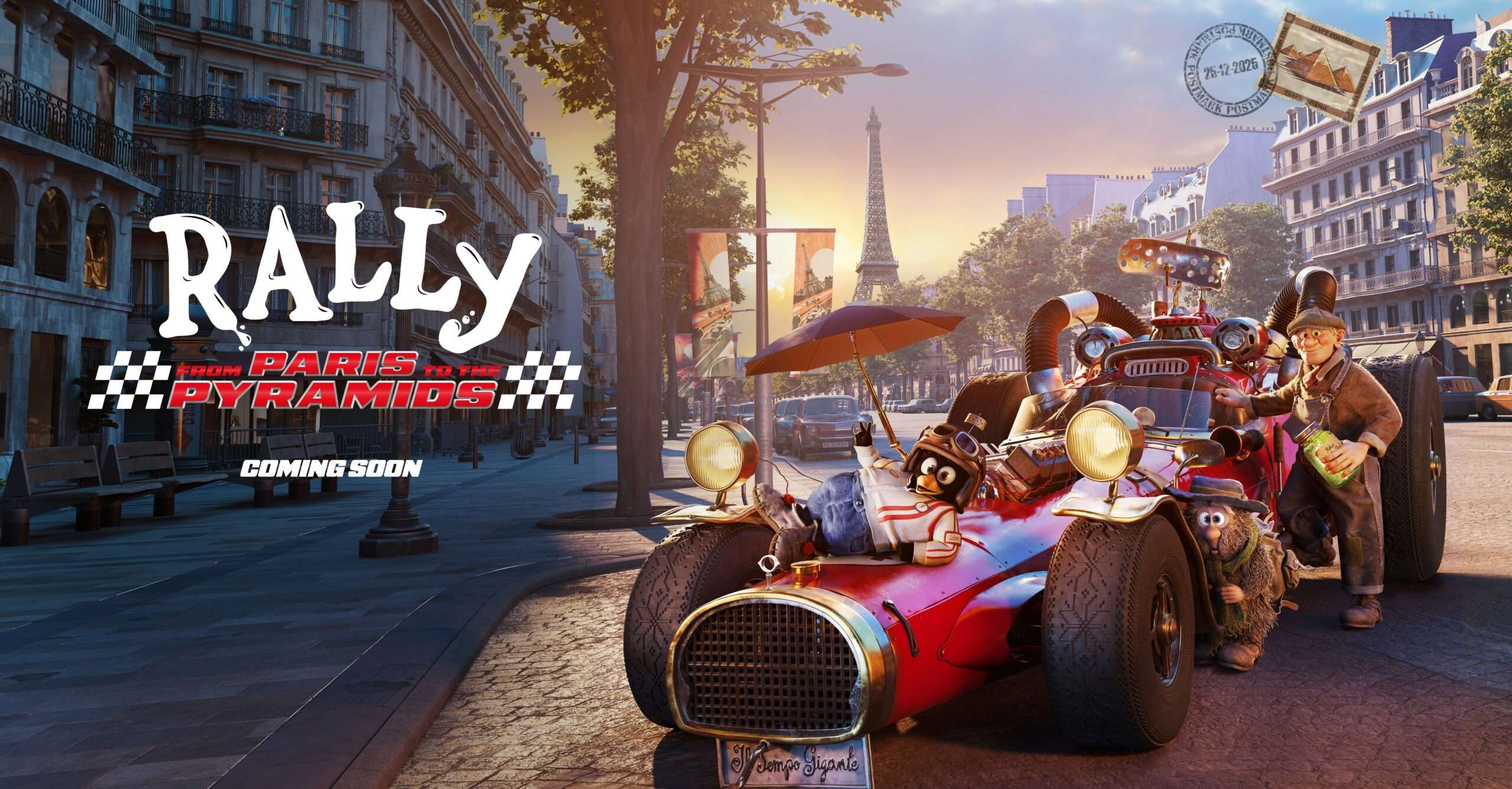
Not all successful IPs are global blockbusters. Flåklypa in Norway is a powerful example of a regional IP based on the iconic characters designed by Aukrust. With multiple films, books, and a deep presence in national culture, its characters are part of childhood memory. Generations grow up with them, passing it on to the next generations.
“Flåklypa is part of Norwegian childhood. Families don’t just recognize the characters, they have emotions and memories connected to them. That makes it natural to bring them into a physical world where guests can interact with their heroes,” says Fredrik Kiøsterud, CEO of Qvisten Animation.
At Hunderfossen, Norway’s popular fairytale theme park, the Flåklypa IP is not limited to a single attraction. The dedicated themed area includes a rollercoaster, a 4D attraction and shops with themed merchandise – all built around the same narrative universe. This extends the emotional bond and strengthens long-term loyalty.
Therefore it makes total sense for the park to choose this IP for their new family attraction which opens this spring. A dark ride perfectly lends itself to more detailed storytelling with immersive experiences. This new ride will feature impressive and dynamic media animation by Qvisten Animation, aligned with Rogue Rides trackless ride system in a dark ride configuration designed by BoldMove Nation. The team is centering the guest experience around the latest movie storyline with digital and physical theming, lots of surprising interactions, and a breathtaking race.
As this IP is quite recognizable and universal, with a clear proof of concept, it will surely be successfully deployed across other countries.
Creative freedom
Proprietary dark ride IPs such as Popcorn, TooMush, and the most recent Voodoo Festival have been developed by me and my team. Instead of adapting characters from another medium, they are conceived from the beginning as spatial storytelling tools. TooMush has been successfully implemented by BoldMove in the multiple awarded interactive Champi’Folies dark ride in the French park Le PAL.
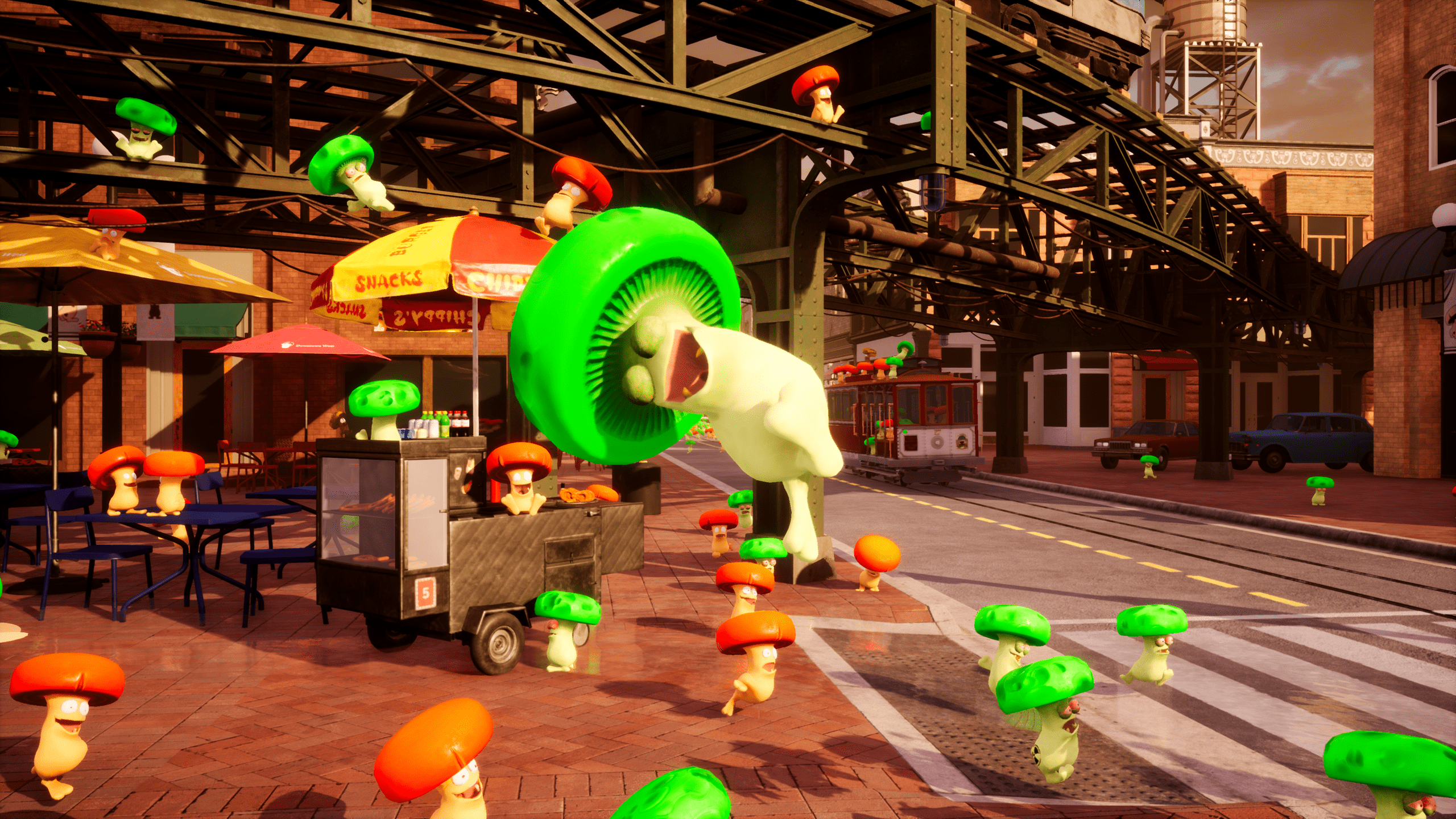
When you develop your own characters, you can design them specifically for spatial storytelling. They are born for rides and experiences, not adapted afterward. The challenge, however, lies in building recognition and emotional attachment from scratch. Strong visual identity, consistent storytelling, and repeat engagement become essential.
The advantage is creative freedom. There are no external restrictions, no licensing limitations, and full flexibility across merchandising, F&B, and live entertainment. This integrated approach increases both emotional depth and commercial sustainability.
Many parks have the capacity and footfall to grow beyond a logo or mascot, becoming their own IP with a strong brand identity. The famous Efteling fairytale park in the Netherlands succeeds in creating a bespoke universe with fitting characters and stories in an immersive environment.
Cohesive experience
Interactive dark rides add another layer of complexity. Many rely on shooting or throwing mechanics, which are inherently fun but can clash with narrative logic.
If guests are asked to help or defend a superhero at the end of the ride, the hero’s invincibility becomes questionable and the character appears weak. The key is to respect the DNA of the IP while allowing meaningful guest participation.
Successful examples, such as Toy Story Mania, demonstrate how playful competition can align naturally with the story world. The interactivity feels organic rather than imposed.
In more advanced gaming rides, storytelling, media, vehicle choreography, and scoring systems merge into one cohesive experience. Achieving balance is critical. Too much focus on scoring can overshadow immersion. Too much narrative complexity can overwhelm guests. Scene transitions, vehicle motion, and the dialogue between physical décor and digital media all become part of the storytelling dynamics.
“IP in dark rides only works when story, media, space, and motion feel like one continuous world. Guests should not feel where the technology starts and stops,” says Anja D’Hondt, Co-Founder and Queen of Happy Hearts at BoldMove.
In BoldMove’s Smash & Reload, for example, interactivity evolves beyond shooting. Surprise moments, character-driven engagement, and unexpected twists create a dynamic rhythm. Sometimes guests influence the media. At other moments, the media challenges them. This interplay strengthens emotional involvement rather than reducing the ride to mechanical gameplay with plain shooting.
Storytelling engine
Ultimately, IP enhances and drives the experience. Whether it is a global franchise, a culturally rooted story like Flåklypa, or an original universe such as Voodoo or TooMush, success depends on thoughtful implementation in space. The narrative must work in 360 degrees. The characters must feel authentic. Gameplay and media must respect the story’s integrity. And the world should be able to extend beyond the ride itself.
IP is a storytelling engine. And when brought to life with creativity, strategic thinking, and immersive design, it creates something far more powerful than recognition. It creates emotions and memories in worlds guests want to return to! •
Benoit Cornet, CEO & Captain of Creative Minds at BoldMove, steers the team with a smart market vision to realize its mission in bringing unique rides and attractions to regional parks. Most recently he was awarded the title of ‘Industry Icon’ with a Park World Excellence Award.

