
interview by Peter Weishar, Director of Themed Experience Graduate Programs, University of Central Florida, Co-Founder of the Themed Experience & Attractions Academic Society (TEAAS)
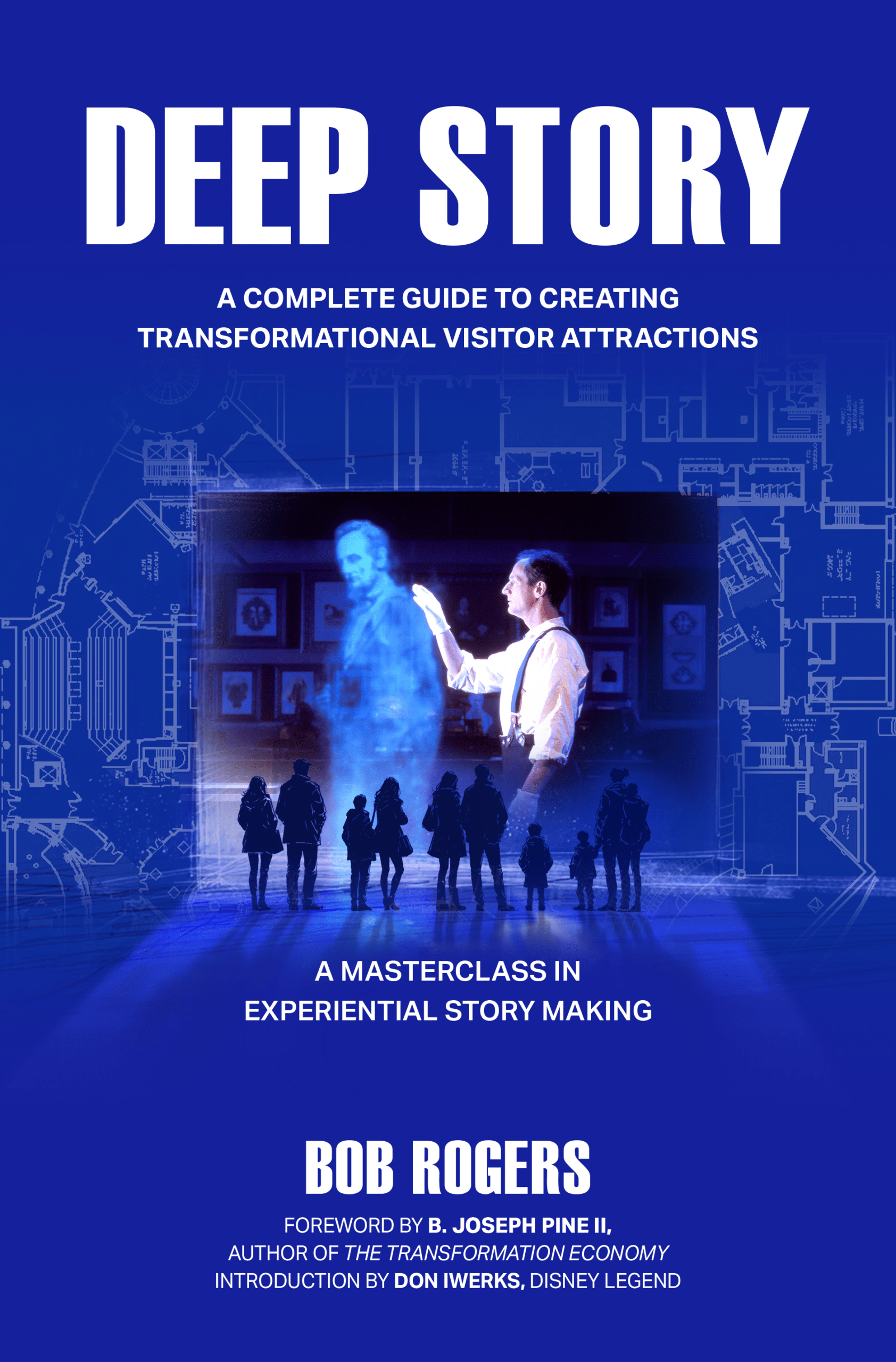
Industry legend Bob Rogers, Founder of BRC Imagination Arts, a company known for magic with heart, has just completed DEEP STORY™ : A Complete Guide to Creating Transformational Visitor Attractions. DEEP STORY is filled with concrete step-by-step examples, case studies and techniques that help the creators of transformational themed experiences connect with their audience on an emotional and profound level, achieving a real difference in what visitors thereafter do.
BRC Imagination Arts
Bob’s and BRC’s accomplishments have served as inspiration to me, my colleagues and students. Bob has been awarded his industry’s two highest honors, having received the Buzz Price Thea Award for a Lifetime of Outstanding Achievement from the Themed Entertainment Association (TEA), and being inducted into the International Association of Amusement Parks and Attractions (IAAPA) Hall of Fame. He has personally been nominated for two Oscars and one Emmy. He was reelected to the Board of Governors of the Academy of Motion Picture Arts and Sciences (the organization behind the Oscars) and previously served on the IAAPA Global Board of Directors. I recently had the pleasure of sitting down with Bob to talk about mentorship, DEEP STORY and his incredible career.
-P.W.
Thank you for writing DEEP STORY. It is an exceptional book filled with useful strategies that feel like inside information. Who did you write DEEP STORY for and why?
DEEP STORY is for everyone, including business and creative leaders as well as people who are just starting their careers. When I was a beginner, established leaders like Marty Sklar, Buzz Price and Don Iwerks had faith in me even when there was absolutely no evidence that I deserved it. They patiently and generously shared their knowledge. The only way I can thank them is by paying it forward by sharing some of the things I’ve learned.
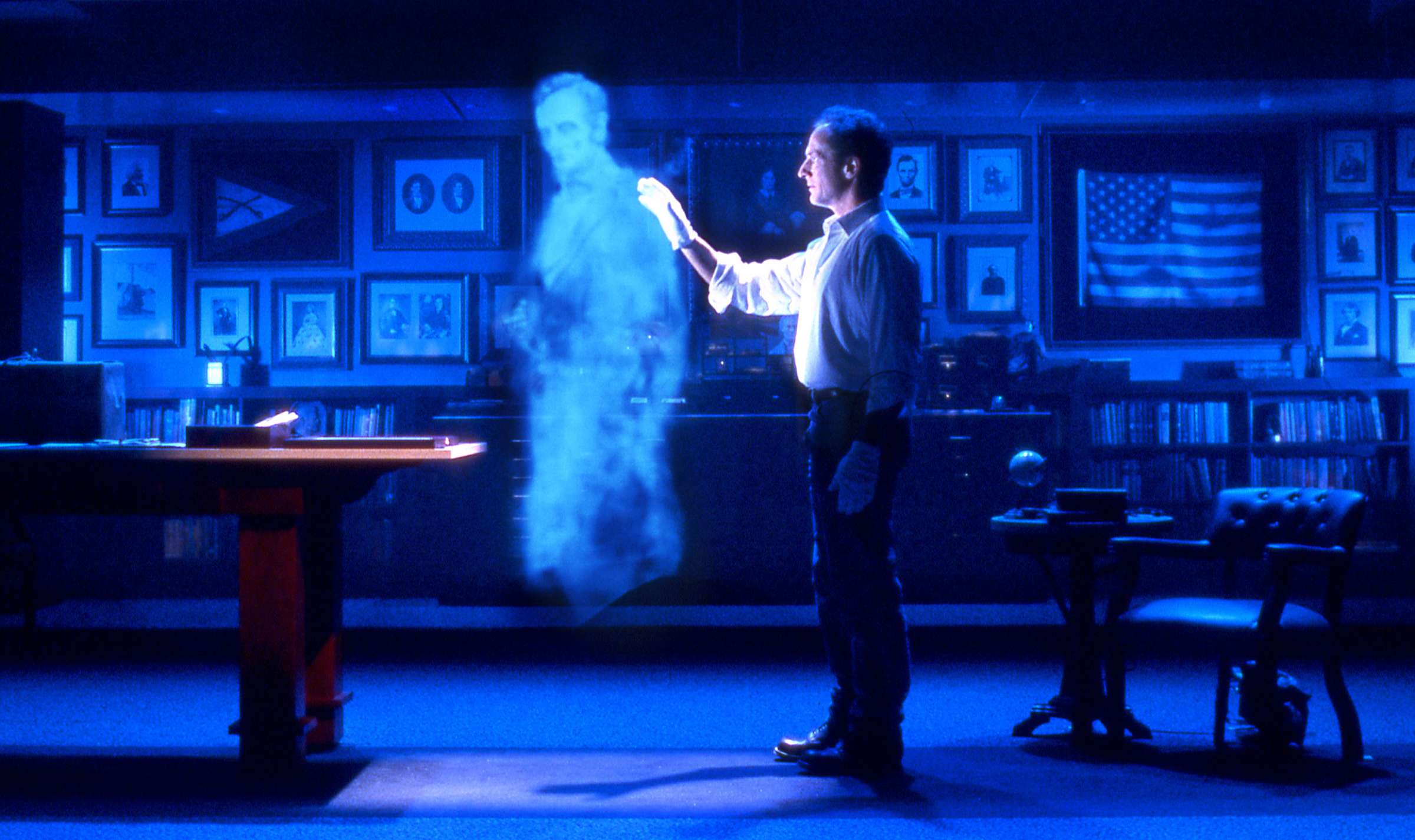
I have some favorite sections in DEEP STORY, including your Disneyland Magic Shop introduction and the Abe Lincoln experience. The book presents a new way of thinking about transformational visitor experiences. Can you recap the Deep Story strategy used at Lincoln?
Sure. Education, information, and entertainment are important means, but whether you are doing a museum, a brand visitor center, or any experience that seeks to make a real difference in what visitors later do, start by precisely defining that change – the transformation you want to create in your visitor. Exactly what do you want visitors to do differently after they leave? Thereafter, every design and story choice should be aimed at achieving that.
Consider the objective of the Abraham Lincoln Presidential Library:
“Visitors to the Abraham Lincoln Presidential Library will become permanently more interested in, and attracted to, the life and times of Abraham Lincoln.”
Every experience at Lincoln is focused on achieving that change. It’s the same whether you are creating a brand flagship like the Johnnie Walker Experience on Princes Street in Edinburgh or a cultural attraction like The Rock & Roll Hall of Fame. Start with the result in mind. In the words of Yogi Berra, “If you don’t know where you are going, you are likely to end up somewhere else.”
University of Central Florida
Why did you title it DEEP STORY? Themed experiences often reinterpret complex narratives into a few, short minutes. What about it is deep?
It is very hard to change what people think and do. DEEP STORY is about going deep into the things people already authentically feel and believe, while simultaneously going deep into the subject or brand. You are looking for the deep emotional truth that pre-exists and is common to both. If you base your entire story experience on that deep truth it will have authenticity. It will connect the heart of the visitor with the heart of the subject or brand. The result is that you don’t impose a change on people so much as you awaken possibilities that have always been in them. That’s DEEP STORY.
Is there a common misstep you see that causes experiences to be less effective?
One signal that you might be on a questionable path is when the building has nothing to do with the content. The package that a product comes in should make a promise about the product or experience inside. Another danger signal is that the tools and technologies are selected before the task is crisply defined. Instead, start by defining the exact transformation you seek and then make all subsequent choices based on the achievement of that one goal. Finally, focus. Don’t try to tell multiple stories. Throughout your visitor experience, tell one story, tell it often, tell it different ways, and tell it well.
You wrote a chapter about the “The Magic of Myth” where you talk about our subconscious connections to things like castles, monsters, forests, and dreams. Can you give us an example of how this can be used to create emotional connections and feelings like safety, fear, or excitement in themed experiences?
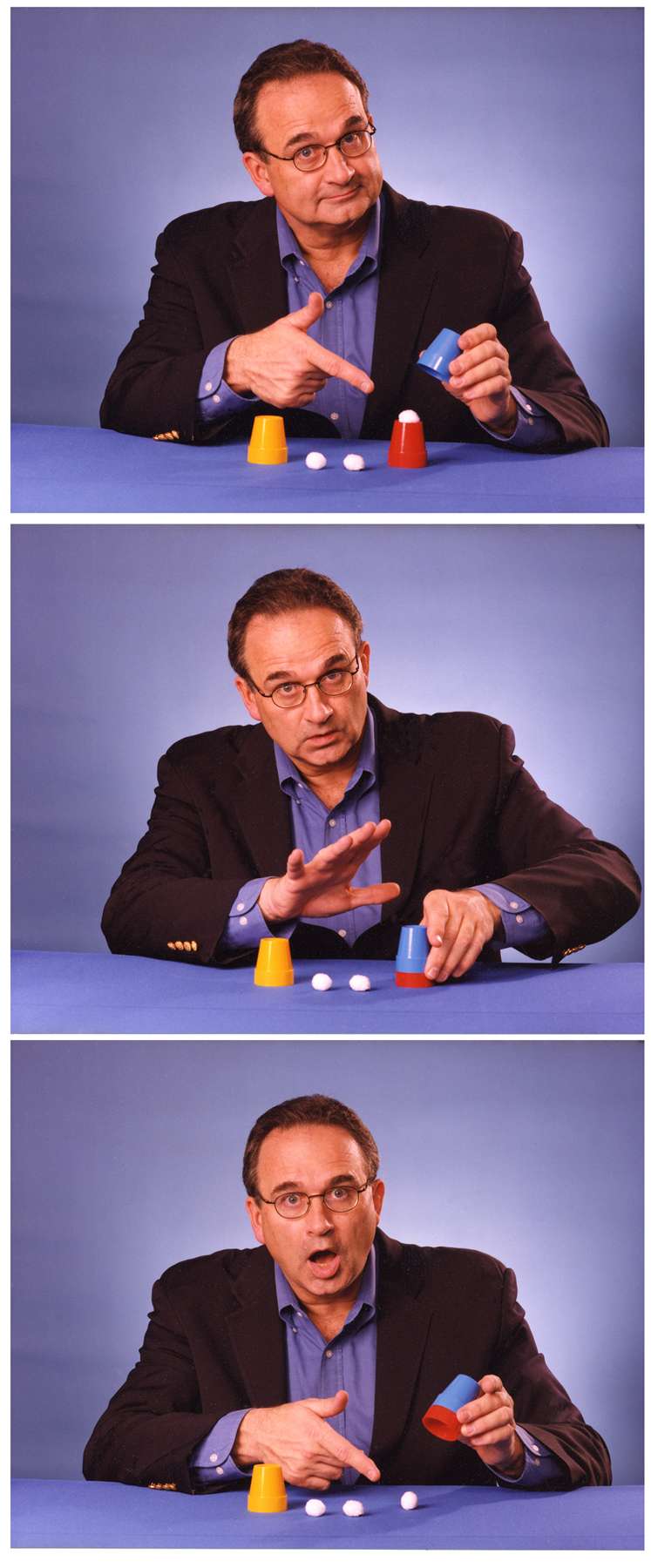
Designers of educational and commercial attractions regularly use deeply meaningful and powerful psychological symbols, often with little understanding or respect for their power – like monkeys playing with explosives. DEEP STORY describes some of the most common recurring archetypal symbols used, misused or wasted in museums and brand experiences, together with some of their common meanings in Jungian and/or Freudian psychology. For example, the castle can represent self-mastery or self-actualization, meaning our idealized self. Somehow when we achieve our goals and live happily ever after, it will be in a castle. The pirate is the complete opposite. Whereas the castle often symbolizes the security and safety of order and stability, the pirate symbolizes the joys of chaos and instant gratification. Pirates take what they want right now. The director of any museum presenting the American West knows that, sadly, to fire the public imagination bandits, gunfighters, cattle rustlers, prostitutes, robber barons, card sharks, and other land pirates are more useful than solid citizens and community builders.
A more subtle example is the difference between a cave and a tunnel. The cave is a dead end, a descent into the subconscious where one might encounter monsters or treasure or become lost. In contrast, a tunnel is a transition. The tunnel under the train track at the entrance to a Disney park marks a transition from the ordinary world to the special world. The portals at the entrance to the lands of Epic Universe serve a similar role. Your work will gain impact and transformational power if you understand and leverage the meaning of the deep stories, symbols and icons already in your audiences’ heads, hearts, and subconscious. By constructively using those meanings in your storytelling, you can engage your guests in a way that enriches their lives with insight, love, hope, reassurance, strength and positive transformation.
What is the primary point you want readers to understand from DEEP STORY?
DEEP STORY outlines a rigorous approach; it’s not easy. But DEEP STORY can empower your work. Bottom Line: If your project seeks to make a difference, start there. Then go deep into the heart of your audience and deep into the heart of your subject or brand. Do that, and you can use your craft to achieve a real and positive difference in the world. •

