
A quarter century of projects, clients, travel and the occasional piece of “unobtanium” has taught Utopia Worldwide a thing or two about the business of creating experiences
by Martin Palicki
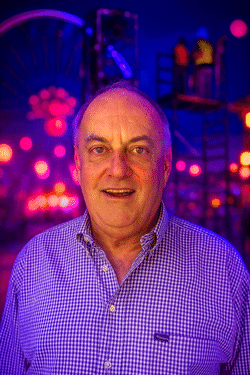
CEO
Twenty-five years ago, Norm Kahn and Danny Burzlaff launched Utopia with a simple idea: combine their backgrounds in live entertainment, events and themed entertainment into a company that could take on a variety of creative challenges.
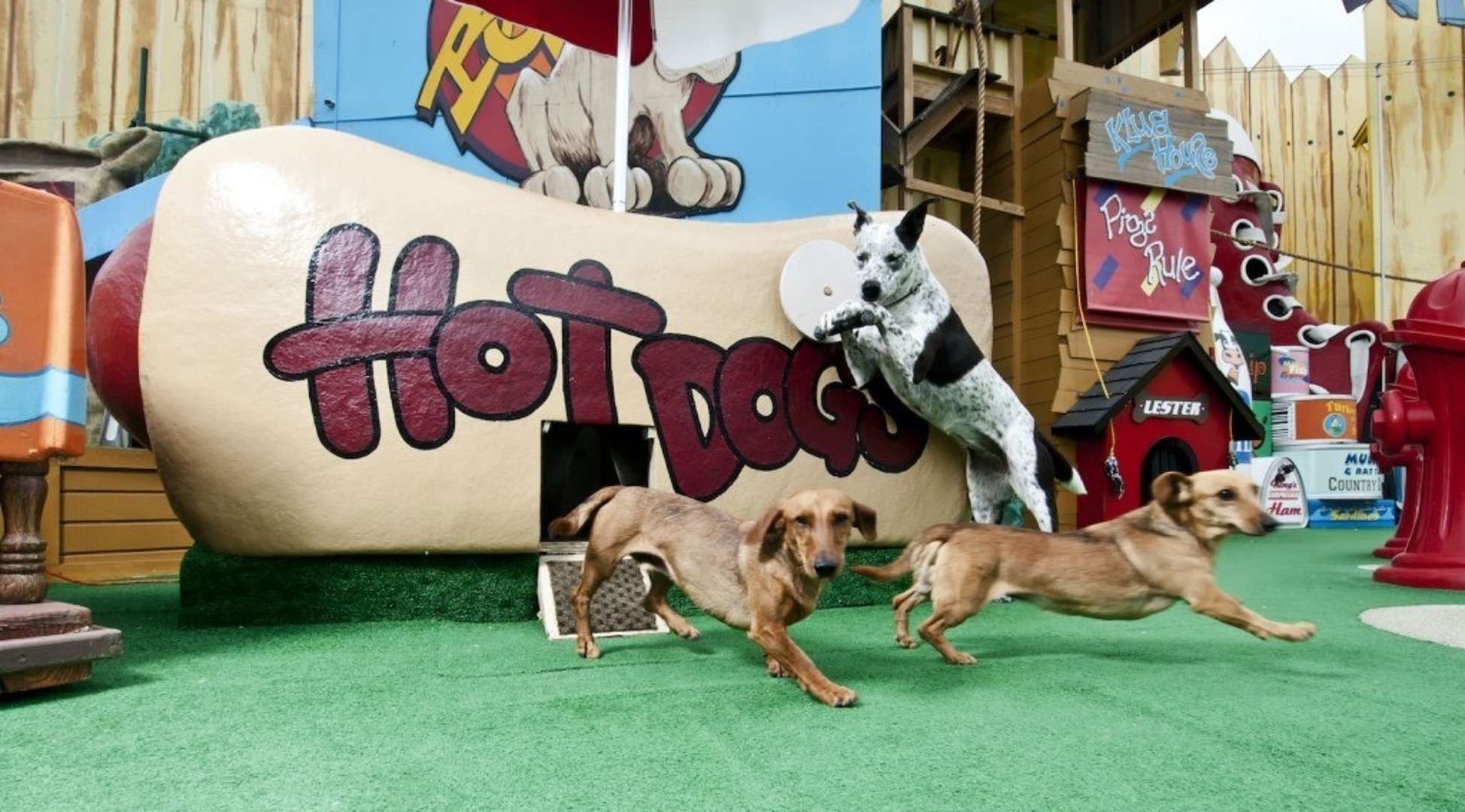
Their first major project was Pets Rule at SeaWorld San Diego, an animal show built around the idea of telling the story from the animals’ point of view. The company launched in March 2001, just months before 9/11. Utopia’s event work helped provide some stability while the theme park business went through its inevitable cycles. Early projects included work for Warner Bros. Movie World in Germany and Madrid, while events such as DVD releases and city celebrations provided diversified business opportunities.
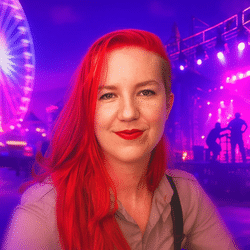
Creative Manager
The company evolved considerably. Utopia Digital came and went. Events grew. Theme park projects expanded. A $5,000 holiday design for Beverly Hills eventually became a long-running relationship encompassing millions of dollars of annual work. The company survived 9/11, the 2008 recession and plenty of other ups and downs. Today, Utopia has worked in 34 countries and recently opened an office in the UAE.
Along the way, Kahn and the Utopia team have accumulated a collection of lessons that apply as much to running a creative business as they do to designing experiences. In honor of their 25 years, here are 25 of them:
1. It’s easier to keep a client than find a new one.
Utopia’s relationship with the City of Beverly Hills is the ultimate example. What began as a $5,000 holiday design grew into a 20-year relationship encompassing holiday programming, lighting more than 1,100 trees, summer programs and other city events. The lesson is simple: take care of the clients you have.
2. Never say no to a project that hasn’t been offered.
It’s easy to talk yourself out of an opportunity before you know what it actually is. Utopia’s approach is to follow an opportunity all the way to a decision point. Maybe the answer is no but let the client be the one to make that decision too. An unlikely call from Egypt, for example, ultimately led to a real project there – and Utopia is still chasing new opportunities around the world.
3. Global and local belong together.
A world-class idea or technology doesn’t automatically make a successful show. Utopia’s international work has taught the company to bring global experience to a project while making sure the execution speaks to the local audience, culture and market. What works in Seoul, Abu Dhabi or Beijing may need to look, sound or feel different from what works in Los Angeles.
4. Brilliant collaborators are the key.
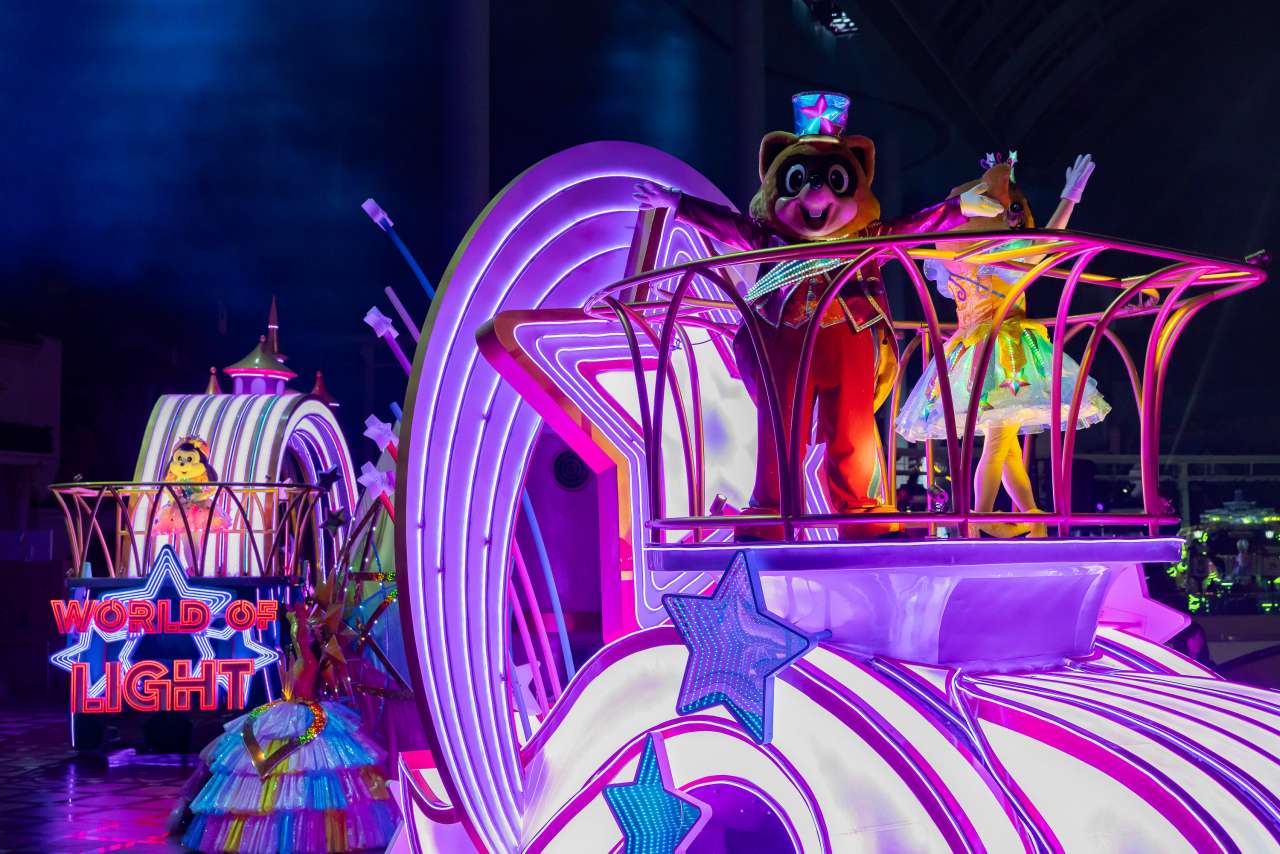
No company creates a great experience alone. Utopia has built long-term creative relationships with people who bring expertise the company doesn’t have internally. One standout is show director Kahori Kanaya, whom Kahn met while working at Universal Studios Japan. Their collaboration has since expanded to projects in Hong Kong, Korea and Abu Dhabi, including the Lotte World parade and Ocean Park’s summer carnival.
5. Diversify when you can.
Utopia was deliberately structured to have more than one source of revenue. Events helped smooth the cycles of the themed entertainment business, and eventually the Beverly Hills relationship became another important engine. The original plan doesn’t always work – Utopia Digital, for example, quickly proved that websites weren’t going to be the company’s big opportunity – but having more than one way to make money matters.
6. Build a team you can count on.
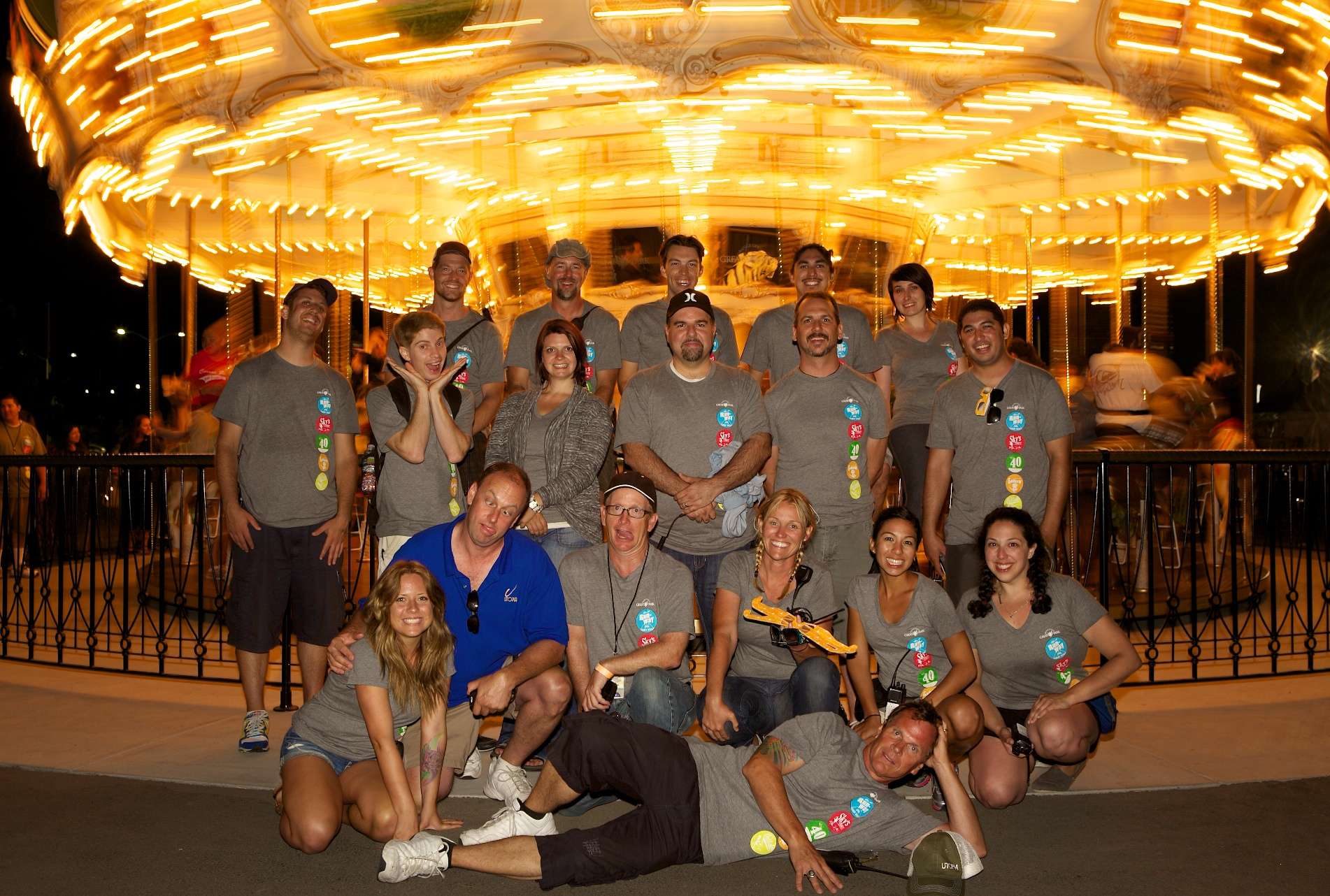
Utopia has traditionally hired people at entry level and allowed them to grow through the company. Kahn himself started at Universal as a runner before moving through increasingly responsible production roles. At Utopia, everyone is expected to pitch in, whether that means producing a show or helping move something into a truck. That creates both practical flexibility and the trust that comes from knowing the person beside you will get the job done.
7. There is no such thing as a small project.
A $25 million attraction and a $15,000 city event may look very different on a spreadsheet, but they can be equally important to the client. Utopia has learned to give every project the same level of attention and respect because the stakes are defined by the client, not the budget.
8. Connect with the audience.
People don’t just want to watch. They want to feel something. For Lotte World, Utopia helped create a moment in the parade when the action stops and the audience becomes part of the story. The crowd sings, the centerpiece comes alive and fireworks follow. The moment creates a memory because the audience has a role in it. [See “Celebration of Lights,” InPark issue #102]
9. Give people a reason to stay.
Some of Utopia’s work is ultimately about changing guest behavior. At Al Ain Zoo in Abu Dhabi, a projection mapping show was created to give guests a reason to remain at the zoo into the evening. The goal wasn’t simply to add another show. It was to extend length of stay, encourage additional spending and make better use of the facility.
10. Keep old connections alive.
Utopia’s first project was Pets Rule for SeaWorld San Diego. More than two decades later, the company was invited back to work on SeaWorld’s Halloween event. Nothing happened between the two projects, but the relationship was maintained through continued contact and relationship marketing.
11. Follow the market…
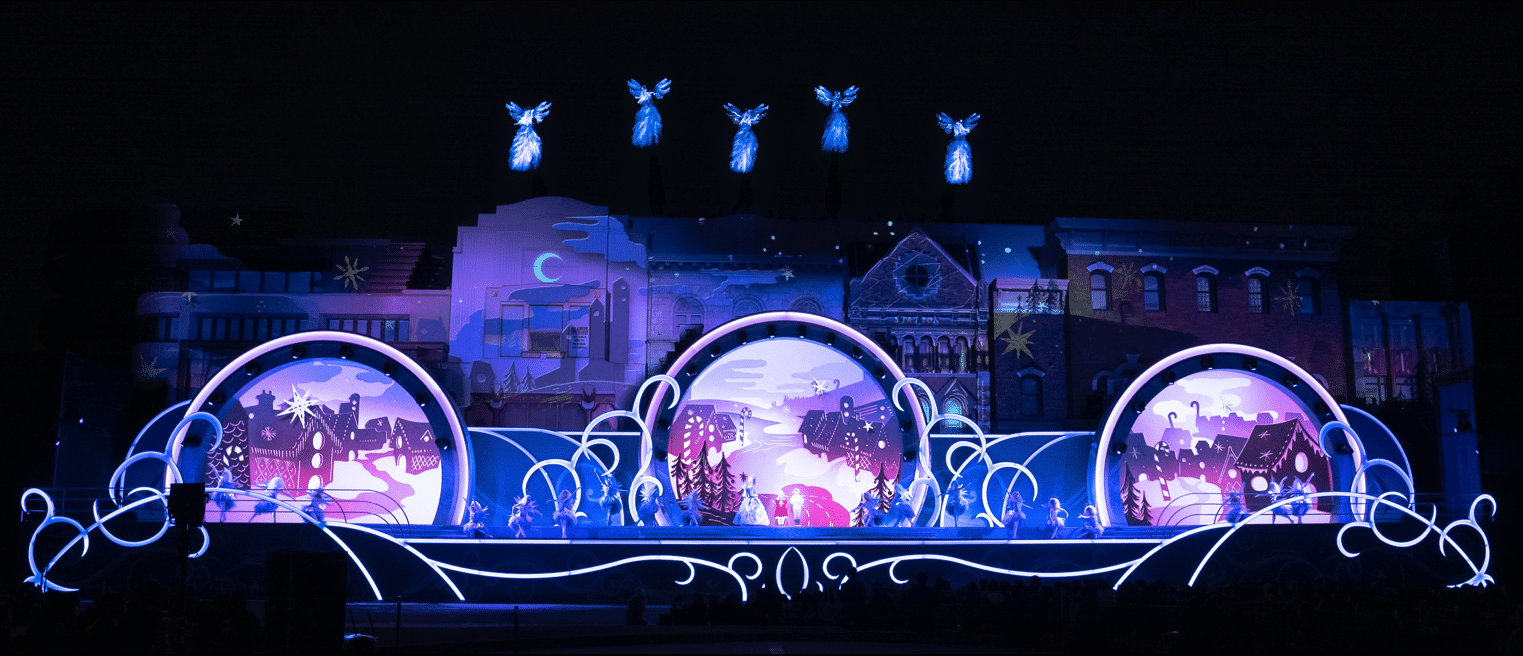
When Utopia started, projection mapping as we know it barely existed. The company went from working with expensive slide projectors to deploying dozens of high-resolution projectors across an entire parade route. New technology creates new capabilities – but only if you’re willing to learn how to use it.
12. …and be willing to add new skills.
Today Utopia can be hired to produce an entire project, fill a specific production role, write a treatment, provide translation, develop choreography or handle projection mapping. The company didn’t necessarily set out to become all of those things. The business evolved because the opportunities evolved.
13. Story is at the heart of everything.
Whether it’s a parade, a projection mapping show, a theatrical production or a community event, people connect through stories. Utopia’s Creative Manager Hailey Buck notes that people have gathered to tell stories for as long as humans have gathered. For Utopia, the format may change, but the fundamental need for story does not.
14. Design for the audience you actually have.
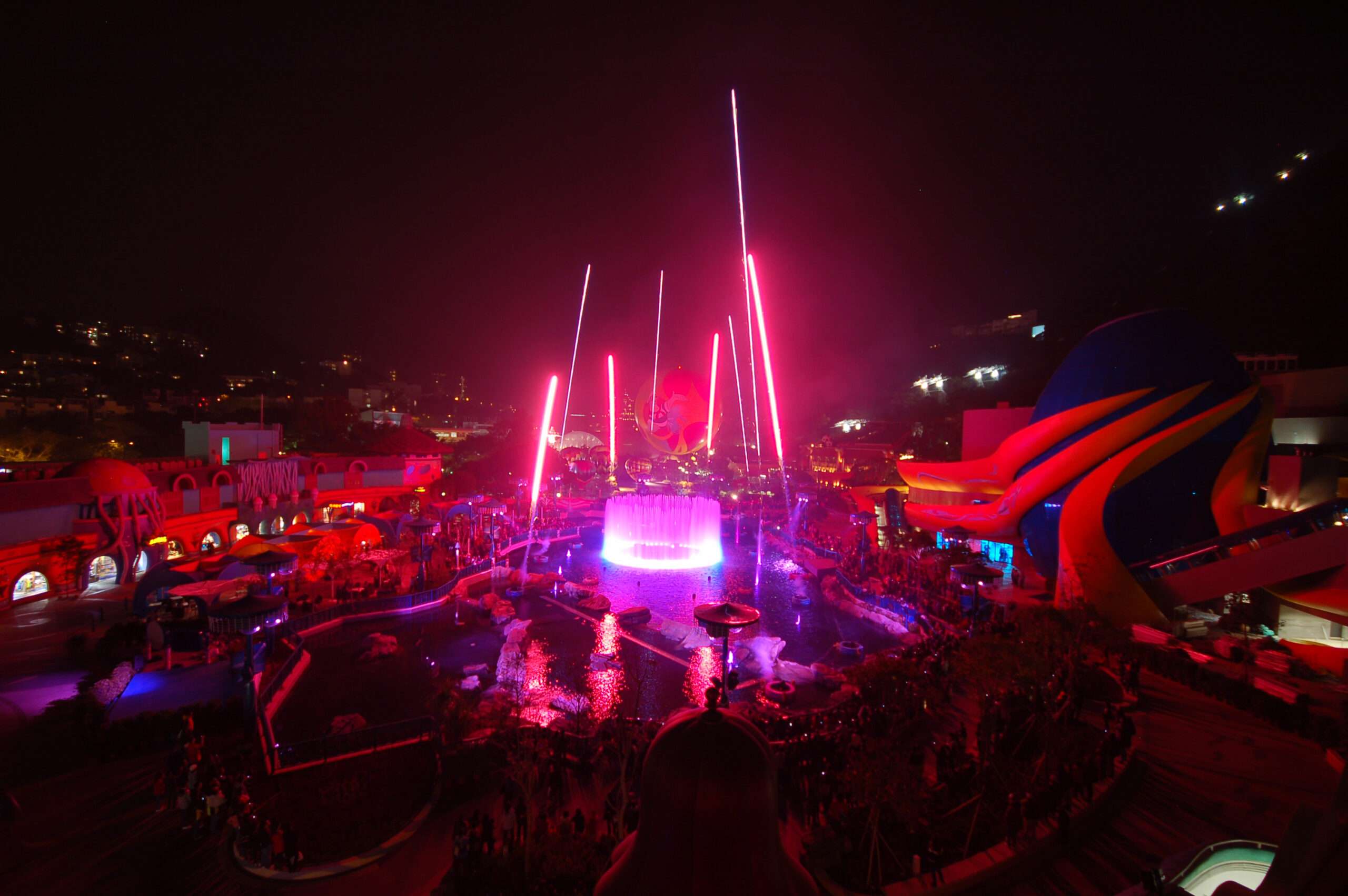
Utopia’s Symbio at Ocean Park Hong Kong drew on local mythology, using the yin and yang and fire and water dragons as the foundation for its story. The show was also presented in English, Cantonese and Mandarin. Local relevance can make an experience mean more to the people experiencing it.
15. Build what the client wants.
Creative people naturally want to put their own stamp on a project. But sometimes the client has a very specific vision, and your job is to bring that vision to life rather than replace it with your own. On the Lotte World parade, Utopia learned to embrace the client’s desire for a classic parade experience rather than continually pushing for something more unconventional.
16. Learn from projects big and small.
A project matters because it matters to the client, not because of its size. Working on a small community installation can teach something that eventually informs a major theme park project. Utopia’s work ranges from enormous international productions to comparatively modest public installations, and each one adds another piece to the company’s experience.
17. Blue sky needs a path to reality.
Dream big during the creative process. Then figure out how to build it. The producer’s job is to reconcile the creative vision with technical realities, budgets and schedules. Kahn’s preferred term for impossible technology is “unobtainium” – a reminder that if you’re going to promise something, you should have a credible way to make it exist.
18. Optimize the whole project, not just your piece of it.
Utopia’s Mission: Impossible stunt show at Canada’s Wonderland started as a design assignment, grew into a build project and eventually included operating the attraction for the season. The lesson is to think about the full life cycle of an experience, even when the immediate assignment is only one piece of it.
19. Tangible experiences matter in a digital world.
As more of life moves onto screens, people continue to seek experiences they can share physically with other people. Buck sees themed entertainment as a form of accessible theater – an opportunity to experience theatrical techniques and storytelling without necessarily thinking of yourself as “going to the theater.”
20. Try new things.
Utopia has repeatedly pushed beyond its comfort zone, from live shows and events into projection mapping and other emerging areas. The company has learned that staying in the same place is difficult in an industry that is constantly changing. New ideas, clients, people and technologies keep the business moving.
21. Travel is part of the job – make it work for you.
Utopia works around the world, and that means a lot of time in airplanes, airports and hotels. The company’s advice: do whatever you need to do to make travel comfortable. For Utopia, that means Global Entry, airport lounges and a good suitcase. Find your own system, then stick with it.
22. Worldwide should mean worldwide.
The name Utopia Worldwide has become an accurate description of the business. The company has worked in 34 countries and recently opened an office in the UAE, strengthening its presence in the Middle East. After 25 years, “worldwide” is less a marketing description than a reflection of how the company actually operates.
23. Keep the joy in the work.
There are plenty of stressful moments in producing live entertainment. There are budgets, schedules, technical challenges, travel and clients. But the variety is also what makes the business rewarding. Kahn describes one of the joys of the work as the fact that no two days are ever alike.
24. Sometimes the best business plan is adaptability.
Utopia’s history is full of things that weren’t planned. The company expected Utopia Digital to be a major business. It wasn’t. A small Beverly Hills holiday assignment became a decades-long relationship. A company founded around theme parks developed a substantial events business and a warehouse full of holiday equipment. The ability to recognize an unexpected opportunity – and adapt – can matter as much as the original plan.
25. Build the next generation.
Perhaps the most important lesson after 25 years is that the company has to outlive its founders. Utopia’s tradition of bringing people in at the production-assistant level and allowing them to rise through the ranks is part of that plan. Kahn knows that eventually someone else will take his place. That’s not a threat to the company’s identity. It’s the point. And it will help lead the company into the next 25 years and beyond. •