
by Scott Shelton
Modern playgrounds must serve the entire community, from toddlers to teenagers, as well as adults and those with varying abilities. Strategic playground design for recreation departments can create thoughtful, inclusive spaces that successfully blend accessibility, engagement and long-term value.
How Can Parks and Recreation Best Get Started With Playground Design?
Research shows that 88% of Americans believe communities should offer inclusive play options for people of all abilities and needs. Delivering that requires both vision and practical expertise.
Playground design for recreation departments becomes easier when partnering with an expert like Soft Play, an industry leader in playground equipment since 1984. Having installed equipment in over 40,000 playgrounds across more than 60 countries, the company understands what works.
How Can Playgrounds Accommodate Multiple Age Groups in One Space?
Community parks must challenge older children without overwhelming toddlers. There are several thoughtful ways to do this:
- Incorporate graduated challenges: Children can progress through increasingly difficult elements as they develop new skills and confidence.
- Ensure lower, easily accessible elements for toddlers: Ground-level play components and low platforms allow the youngest visitors to participate safely.
- Create a visually cohesive environment using themed designs: Unified themes tie together different play zones while maintaining distinct challenge levels.
- Provide clear pathways between zones: Designated circulation routes help families navigate between age-appropriate areas.
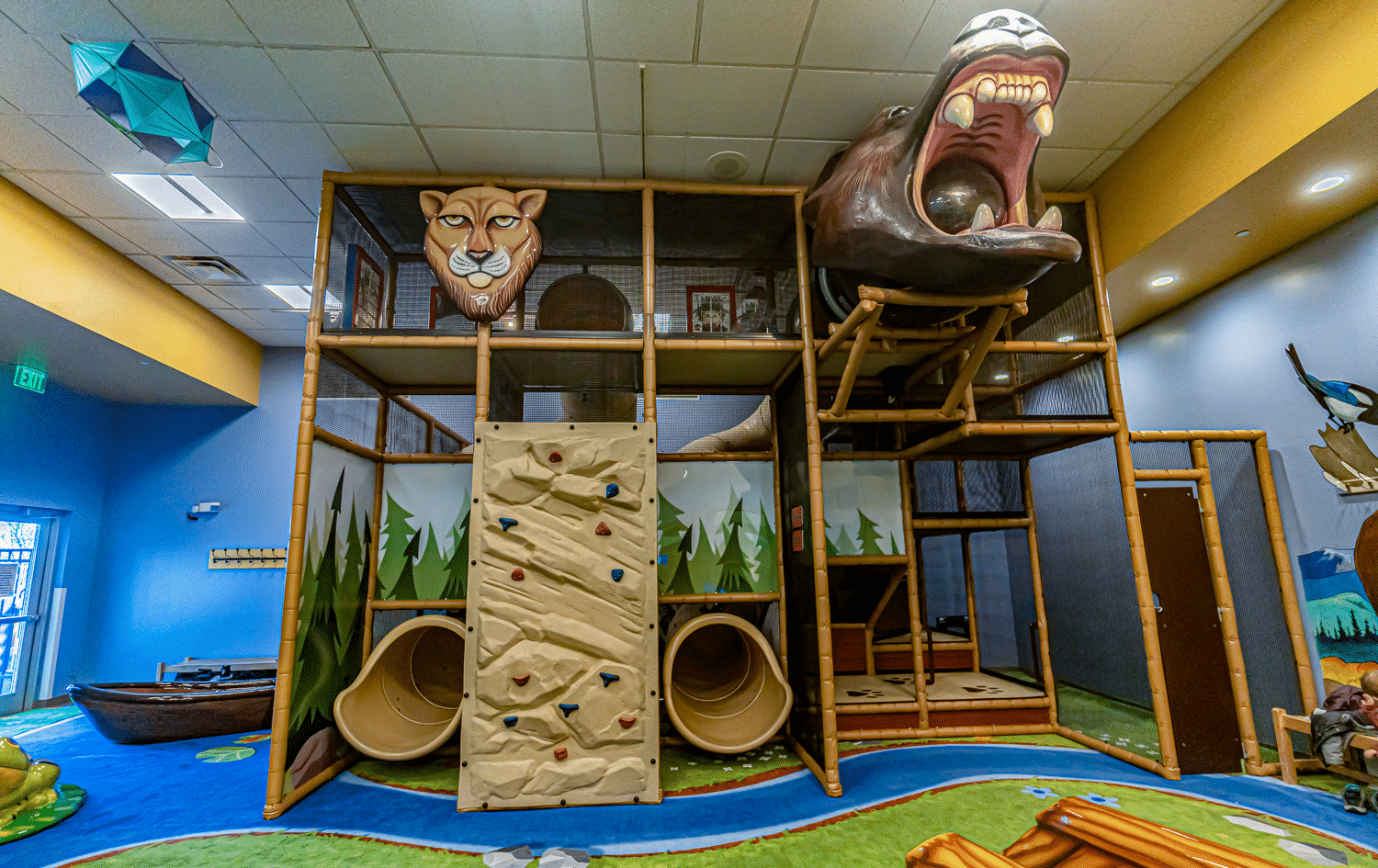
Soft Play achieved this multiage approach at Cook Family Park in Utah by combining themed animal play sculptures with multilevel climbing structures, creating a dynamic cross-generational destination. Because it provides end-to-end playground design for recreation departments, it can advise from the initial concept and theme right through to expert installation. This ensures that the whole community’s needs are taken into account from the start.
What if an Existing Playground Needs Upgrading?
Recreation departments often face tight budgets or limited space, making total replacements infeasible. The solution is addition rather than replacement.
Soft Play works with spaces and budgets of any size to enhance existing playgrounds without requiring full demolition. At J.J. McWilliams Old Rock School Park in Tennessee, it added space-saving custom vertical book stepping stones that seamlessly connected to an existing play structure, extending playground appeal without the cost or disruption of a complete rebuild. The bottom step is accessible to the youngest visitors, while older children can climb higher.
How Does Good Playground Design Cater to Caregivers and People with Varying Abilities?
Inclusive design extends beyond the play structures themselves. Research shows that designing quiet corners or sideline areas matters significantly for preschoolers, girls and children with disabilities. These “in-between” spaces provide crucial opportunities for sensory relief and social observation.
For the grown-ups, environmental features like clear sightlines and adult-oriented equipment keep caregivers engaged and relaxed. Comfortable seating and adequate shade are essential basics.
Turnkey designers such as Soft Play take a holistic approach to playground design, ensuring all visitors’ needs are met. For example, at Mercy Road Church in Ohio, an indoor play area became a valuable community hub for families new to the area, creating social connections for adults and children alike. While not an outdoor playground, the project demonstrates what intentional design can achieve for entire communities.
Frequently Asked Questions
Common questions about playground design help recreation departments understand the planning process.
How does an expert design partner assist with playground design for recreation departments?
An expert end-to-end design partner like Soft Play can assist with everything from the original design concept to theme development, equipment customization, site planning and professional installation. This eliminates the need for departments to coordinate multiple vendors.
Can playgrounds accommodate different age groups in the same space?
Playgrounds can serve multiple age groups through graduated challenges, separate zones with distinct difficulty levels and themed designs that create visual unity across different play areas.
What options exist for departments with limited budgets or space?
Departments can enhance existing playgrounds through strategic additions rather than complete replacements. Custom elements can connect to current structures, extending play value without requiring full demolition or significant space expansion.
Creating Community Playgrounds That Last
Successful playground design for recreation departments requires expertise, flexibility and commitment to inclusive spaces. Partnering with experienced manufacturers ensures playgrounds serve everyone while delivering lasting value.

Scott Shelton is a digital media specialist at WebFX who helps businesses strengthen their digital marketing strategy.

