WhiteWater, designer and manufacturer of waterparks, water rides, and surf attractions, was recognized as one of Canada’s Best Managed Companies for the eighth consecutive year and achieved Platinum Club membership.
Presented by Deloitte, Canada’s Best Managed Companies is one of the country’s leading business awards programs, recognizing excellence in private Canadian-owned companies. Platinum Club membership is reserved for companies that have retained their Best Managed status for seven years or more, reflecting sustained excellence in business performance and management practices.
Best Managed Companies are evaluated on the basis of a company’s structure in terms of strategy, capabilities and innovation, culture and commitment, and governance and financials. In 2026, a total of 505 companies were recognized, including 338 Platinum Club members.
“I humbly, but proudly, reflect how far we’ve come on our journey – within our global industry we are recognized as a leader,” said CEO Geoff Chutter. “And now to be recognized among the elite of best managed Canadian companies shows we are a team performing at the highest level.”
“Being recognized as one of Canada’s Best Managed Companies for the eighth consecutive year and achieving Platinum Club membership is an important milestone for WhiteWater,” said CMO Una de Boer, who accepted the award at the gala in Toronto last week. “It shows the strength of our strategy, the dedication of our people, and our continued focus on innovation, governance, and long-term partnerships. It also reinforces the confidence that clients, partners, and employees place in WhiteWater as a trusted global business.”
Moment Factory and Mitsui Fudosan announced a long-term strategic partnership to create large-scale, transformative experiences that set a new global standard for fan engagement. Stepping into the role of Executive Producers, the two companies will harness their combined strengths to foster human connection through brand storytelling and innovation.
Following Moment Factory and Mitsui Fudosan’s work on Light Cycles at Kyoto Botanical Gardens for their 100th Anniversary Project, this announcement kicks off a new multi-year roadmap for the two companies’ partnership. They are currently exploring a pipeline of projects that will continue to blend technology, art, and iconic intellectual properties.
A new Pokémon experience
As part of this collaboration, Moment Factory and Mitsui Fudosan also announced a partnership with The Pokémon Company International to develop a new immersive Pokémon experience designed to tour in select locations and slated to debut in Europe in the spring of 2027. Using interactive technology and storytelling, the collaboration will faithfully bring Pokémon to life by bringing fans together in the real world and allowing them to step into the role of a Trainer in unique ways.
This collaboration will unite an international multidisciplinary team – including Mitsui Fudosan’s expertise in creating large-scale destinations and real-world experiences, Moment Factory’s immersive storytelling, and the iconic Pokémon brand – to deliver an innovative experience for a diverse, worldwide audience.
More details about the project will be shared in the future.
“This partnership is more than a collaboration; it is a synergy of vision,” said Dominic Audet, Co-founder and Chief Innovation Officer at Moment Factory. “Together with Mitsui Fudosan, we are looking to set a new global standard for how people interact with brands and environments. We are excited to leverage our creative DNA alongside Mitsui Fudosan’s incredible reach to bring transformative projects to life.”
“We are very honored to partner with Moment Factory,” said Kazunori Yamashita, Executive Managing Officer of Mitsui Fudosan Co., Ltd. “Through this project, we aim to create new value through immersive experiences that connect people and communities. We also look forward to delivering excitement and inspiration to people around the world through our collaboration with Pokémon, a globally beloved brand.”
“People around the world are always eager to experience the world of Pokémon in new and meaningful ways,” said Andy Gose, Head of Media Production at The Pokémon Company International. “We are excited to see the joy it will bring to Trainers and the passion and adventure that unites the community.”
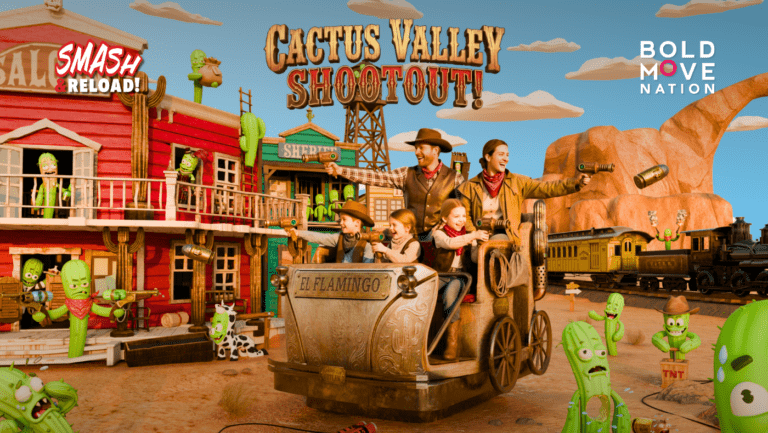
Following the success of the TooMush and Voodoo Festival IPs, BoldMove Nation introduces new content for Smash & Reload 2.0. Western themes are present in many parks and remain extremely popular all around the world. With Cactus Valley, the creative team has transformed this classic universe into a wildly entertaining dark ride experience. Visitors are immersed in a chaotic Western world where cacti take center stage.
The little big dark ride
Based on several decades of experience in interactive dark rides, every aspect of Smash & Reload has been reimagined. The integration of vehicle movements with media enhances and extends both action and emotion. Engaging gameplay and fun content allow visitors to interact with the experience, which in turn interacts with them. Its compact design makes it possible to re-use existing buildings and integrate a family-friendly attraction.
With the Rogue Rides trackless ride system, this attraction becomes more thrilling as vehicles move sideways, shake and turn around during the four scenes and reload action. Players become part of the immersive 3D-themed scenery, surrounded by massive 4-meter-wide screens displaying an extended animated sequence. Between each scene, a fun and interactive “reload” gives players a brief moment to pause and receive playful feedback on their performance. At the finale, a dynamic high-score board displays the individual and collective team scores.
Cactus Valley story
This was to be expected from naughty outlaws: the gold has been stolen by strange and wild spiky creatures that came out of nowhere! But visitors, now turned into desperados, will have their work cut out for them as they try to recover the gold. Their actions, as well as the reactions of the cacti, will lead to spectacular, offbeat, and hilarious situations. They look like tough desperados but are really scared of balloons hitting their sticky body, or other inflatable elements they encounter. The attraction combines thrilling action with a wealth of references into a timeless live cinema and gaming experience.
“Filled with playful references to iconic Western films and major cinema hits, this theme delivers humor, action, and surprises at every turn, guaranteeing laughter from start to finish,” says Benoit Cornet, CEO BoldMove. “From a hilarious show driven by autonomous virtual characters to an irresistible urge to take action, from the continuous enhancement of individual performance to a shared collective experience: everything is designed to make Smash & Reload 2.0 the essential ‘Little Big Dark Ride’ for every park.”
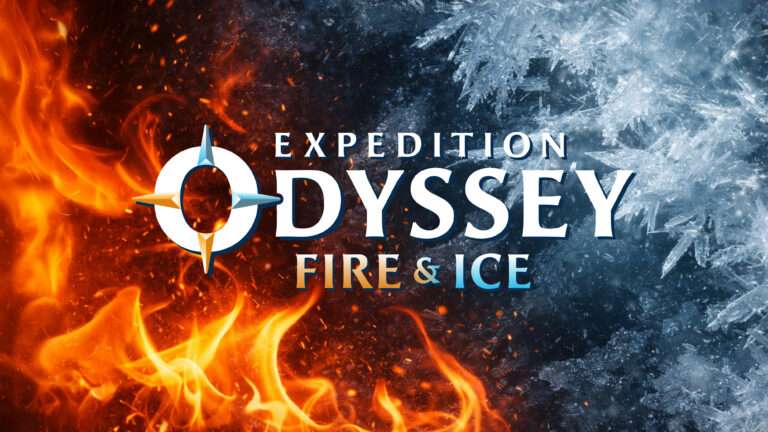
SeaWorld Orlando’s all-new Expedition Odyssey: Fire & Ice exclusively opened to SeaWorld Orlando Pass Members on Saturday, May 23, inviting families to embark on a breathtaking Arctic adventure unlike anything else. The attraction opened to the general public on Memorial Day, Monday, May 25.
The all-new Expedition Odyssey: Fire & Ice takes guests on a story-driven mission through the powerful natural forces that shape the Arctic. Guests will soar above erupting volcanoes, glide across frozen landscapes, dive beneath icy waters and journey through Arctic environments alongside wildlife including beluga whales, sperm whales, seals and polar bears, all brought to life through an immersive high-definition cinematic experience and SeaWorld Orlando’s ride system.
“Expedition Odyssey: Fire & Ice is one of the most ambitious and immersive attractions we have ever created,” said Justin Newton, senior vice president of project delivery for United Parks & Resorts, SeaWorld’s parent company. “From the moment guests step inside the Arctic research station, every detail has been designed to fully transport them into this frozen world and leave them questioning how it was even possible.”
Guests begin their mission inside a newly transformed Arctic research outpost, complete with themed environments, mission control areas and a pre-launch briefing from a research scientist preparing them for the expedition ahead. The attraction blends storytelling, dynamic motion, immersive environments and visuals to blur the line between simulation and reality.
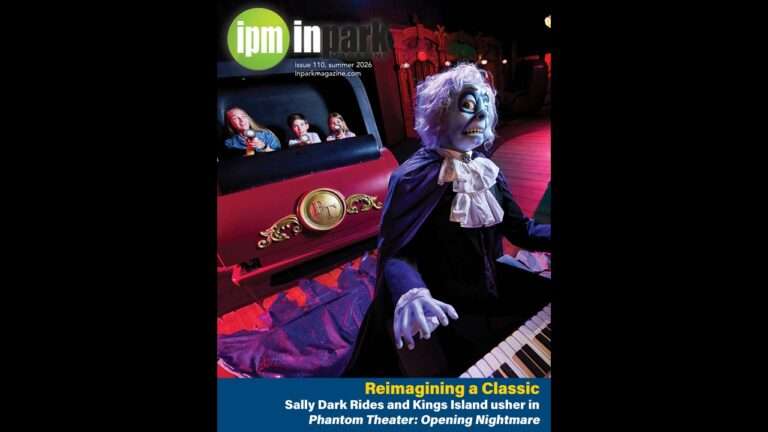
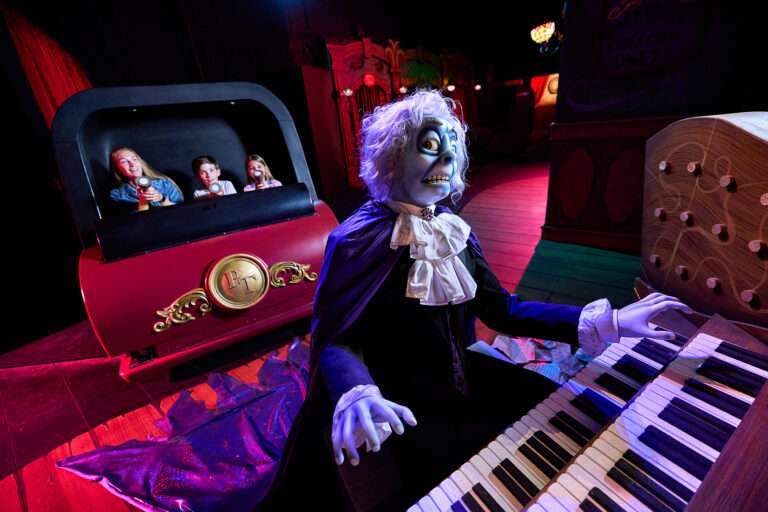
Phantom Theater: Opening Nightmare blends the latest in technology and design with the charm of the original Phantom Theater attraction at Kings Island. Image courtesy of Kings Island / Six Flags.
One year ago, Universal Epic Universe opened in Orlando – a project years in the making and one that immediately raised the bar for immersive storytelling, technology, placemaking, and guest experience. Just a few weeks ago, I found myself back in Orlando for the annual TEA Thea Awards Gala, where four honors were presented to projects connected to Epic Universe. The applause in the room was not just for Epic; it was for the thousands of people whose talent, persistence, creativity, and hard work brought the park and its experiences to life.
What struck me most throughout the week was the sense of shared ownership. Epic Universe may carry the Universal name, but its success reflects on an entire industry. Designers, fabricators, writers, engineers, artists, programmers, producers, technicians, architects, interns and craftspeople from companies around the world contributed pieces of themselves to this massive undertaking. The recognition at the Thea Awards became, in many ways, a celebration of the power of themed entertainment.
That spirit feels especially important right now.
As this issue goes to press, the ongoing (and foolish) war in Iran continues to create uncertainty across the globe, including disruptions to our own industry. In times like these, it can become easy to focus solely on instability, division, and unpredictability. Yet our industry has always thrived by doing the opposite. We create places designed to bring people together. We build environments rooted in wonder, curiosity, optimism, and shared experience.
That does not mean ignoring the realities of the world around us. It means recognizing the value of what themed entertainment contributes during difficult moments. A great attraction, museum, cruise experience, dark ride, or themed land can provide joy, connection, and inspiration at a time when people may need those things most. In fact, this issue highlights a few of these kinds of projects.
One year after Epic Universe opened its gates, perhaps that is part of its greatest legacy so far: not only the groundbreaking attractions themselves, but also the reminder of what can happen when an industry comes together to create something hopeful.
INPARK RECAPS THE THEMED ENTERTAINMENT ASSOCIATION’S INSPIRE WEEK EVENTS AND THE THEA AWARDS GALA
by Martin Palicki
The 2026 Themed Entertainment Association INSPIRE conference and Thea Awards Gala marked a notable shift for the events, relocating to Orlando, Florida, for the first time. Long associated with Southern California, the move underscored Orlando’s continued rise as a center for parks, vendors and the industry at large. Held at the JW Marriott Orlando Grande Lakes, the week’s schedule remained relatively the same as in recent years but brought a slightly different energy, perhaps due to its proximity to many of the projects and teams shaping the industry today.
A forum for where the industry is headed
TEA INSPIRE started with the dual tracked Leadership Forum and Spotlight Sessions. The Leadership Forum focused on practical innovation over abstract futurism as well as how creative, technical, and operational teams must collaborate earlier and more fluidly to meet rising guest expectations. Spotlight Sessions offered case studies from the TEA Recognition of Merit recipients as well as insights on trends shaping the future of themed entertainment.
The INSPIRE Day 1 and Day 2 events centered almost exclusively around the 2026 Thea Award Case Studies, with each one given time to share how the project was created along with highlights and insight into the details of why it received a Thea Award. Most recipients also participated in breakout sessions where attendees could ask questions and enjoy additional access to the speakers.
A special INSPIRE the Night event took place at Universal Epic Universe, with nearly 1,000 guests enjoying exclusive access to select areas within the park, panel discussions from Universal Destinations & Experiences leaders, and an assortment of complimentary food and beverages. The event showcased the reasons why the park – along with several of its lands and attractions – received an impressive four Thea Awards.
Thea Awards Gala celebrates excellence
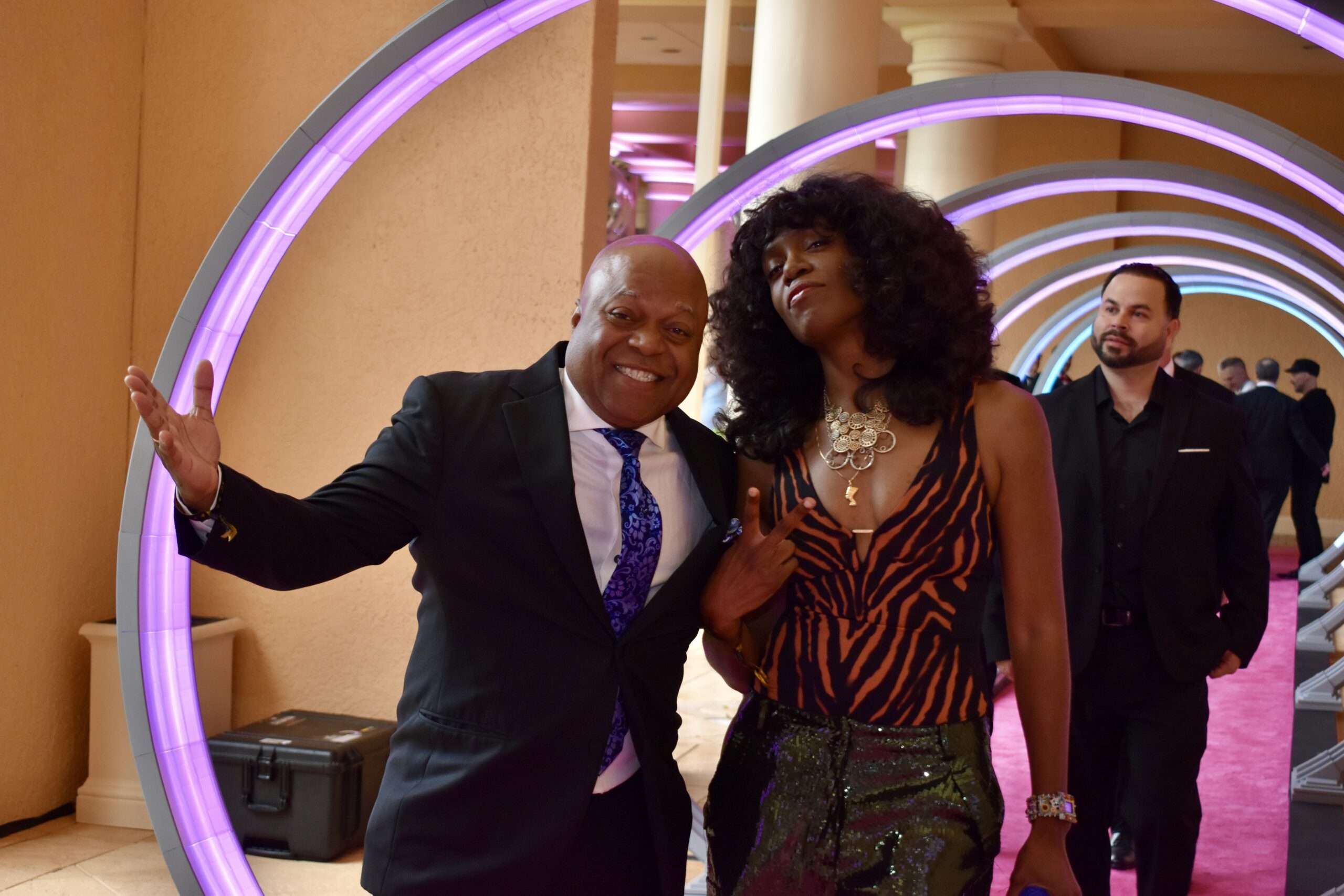
The Thea Awards Gala also hosted nearly 1,000 guests in an elaborately decorated ballroom at the hotel. A pink carpet led guests from a pre-dinner cocktail party past custom Thea-themed statues and through a pulsating portal into the main event.
Thea Catalyst recipient Dr. Frederic Bertley (COSI) and Fri Forjindam (Universal Creative) walk the pink carpet through the portal entryway into the Thea Awards Gala.
The show was well produced and professionally recognized all of this year’s Thea awardees. From destination-scale attractions to more intimate, story-driven experiences, the slate of recipients underscored how the definition of “themed entertainment” continues to expand. Many recognized projects demonstrated not only technical or creative achievement but also cultural relevance and emotional resonance. Whether through immersive storytelling, thoughtful use of IP, or original narratives, the work celebrated on stage emphasized meaningful connection with audiences. The ceremony maintained a steady pace, allowing each honoree space to shine without losing momentum. Acceptance remarks reflected the collaborative nature of the work, with teams acknowledging the complexity and cross-disciplinary effort behind each project.
A week that reinforces community Beyond the formal programming, the value of the week continued in the connections it fostered. Conversations in hallways, over meals, and between sessions often carried as much weight as those on stage.
The move to Orlando did more than change the backdrop – it subtly reframed the event’s role. INSPIRE and the Thea Awards Gala continue to serve as both mirror and catalyst for themed entertainment, but in 2026, they also highlighted the industry’s evolving center of gravity. The week succeeded by gathering together the community committed to creating compelling experiences around the world. •
INPARK WORLD’S FAIR EDITOR JAMES OGUL SHARES INSIGHTS ON UPCOMING EVENTS AND THE LEGACY OF EXPO 2025 OSAKA
by Jim Ogul
Global Expo activity is accelerating with Specialized Expo 2027 Belgrade entering full construction, Expo 2030 Riyadh awarding major infrastructure contracts, Expo 2027 Yokohama refining its nature tech agenda and Minnesota moving to host America’s first A1 International Horticultural Exposition. Meanwhile, Expo 2025 Osaka Kansai — months after closing — has emerged as a surprisingly influential force, exporting both physical and digital legacy assets to the next generation of Expos.
Belgrade 2027: Participation surges
Nearly 140 countries have committed to participate in Expo 2027 Belgrade, with 137 having formally signed participation agreements as of this writing. Expo 2027 Belgrade is planned for May 15–August 15, 2027, on a 25-hectare site in Surčin, with more than 6 million visitors and over 8,000 special events anticipated.
Expo 2027 Belgrade is being framed not merely as an international event, but as a transformational moment for its host nation and a renewed platform for global collaboration. “This Expo is something that is changing our country… I think this will be another game-changer – for investment, travel, and our political position,” said Serbian President Aleksandar Vučić, underscoring the scale of Serbia’s ambitions.
From an international perspective, Dimitri S. Kerkentzes, Secretary General of the Bureau International des Expositions (BIE), has emphasized the Expo’s broader mission, noting that it will serve as a platform for countries to collaborate on future-focused solutions while engaging younger generations. Together, these perspectives position Belgrade 2027 at the intersection of national development and the enduring global purpose of World’s Fairs.
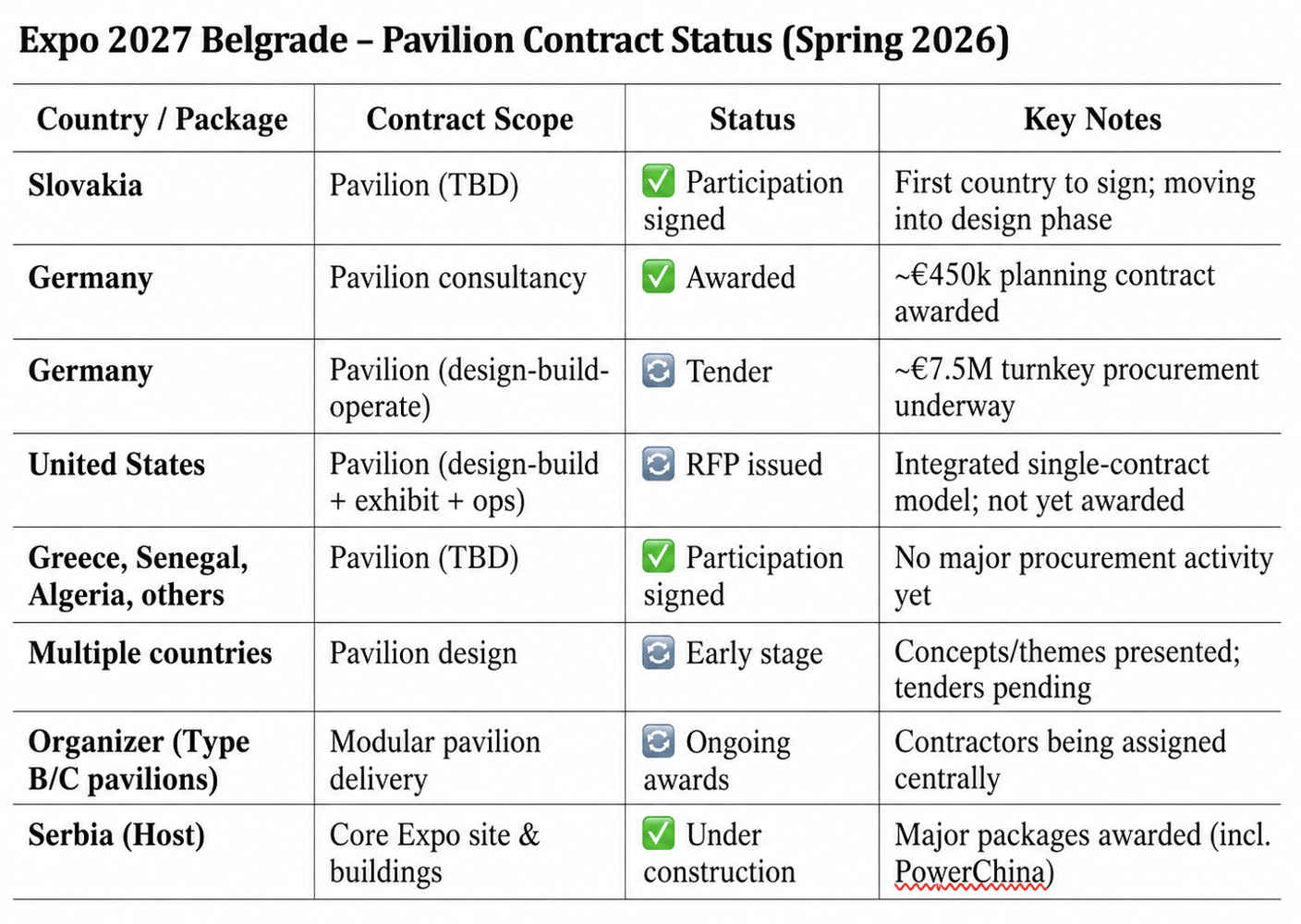
Progress on the Expo site is reflected in the following table.
Table courtesy of the author
The United States at Belgrade
The U.S. confirmed participation in Expo 2027 on May 11th. According to U.S. government procurement documents, the United States will build a temporary, single-story pavilion of approximately 972 square meters, designed to accommodate up to 5,000 visitors per day.
The concept centers on a dynamic, nonpolitical visitor experience aligned with the Expo’s theme: Play for Humanity – Sport and Music for All. The pavilion will integrate immersive exhibition spaces, live performance and event areas, VIP and meeting facilities, along with dining and retail components.
The goal is to present American innovation, culture, and values through engaging, high throughput experiences rather than static displays. Total project costs are estimated at $10–14 million, covering design, construction, exhibits, operations support, and eventual dismantling.
Osaka 2025: A living legacy takes shape
Months after closing, Osaka 2025 continues to influence the global Expo ecosystem. Japan marked the first anniversary of the Expo’s opening on April 13 with Expo 2025 Futures, a traveling exhibition across six cities and a permanent display at Yumeshima Station in Osaka (the rail station built for Expo 2025). These programs highlight the Expo’s 29 million visitors and its theme, Designing Future Society for Our Lives.
In a symbolic gesture of continuity, six trees from the Osaka Expo site were transported to Serbia for integration into Expo 2027 Belgrade, reinforcing the growing practice of ecological legacy exchange between Expos.
Japan’s Ministry of Land, Infrastructure, Transport and Tourism released a 3D digital twin of the Osaka Expo site as a public archive for researchers and designers. Meanwhile, the Virtual Expo Yumeshima Islands in the Sky project received a Guinness World Records™ certification as the largest VR Expo environment ever created.
Japan’s Future Creation Council continues to coordinate post-Expo collaborations among universities, industry, and local governments, embedding Expo-born technologies into national innovation policy.
Riyadh 2030: Infrastructure contracts and Vision 2030 alignment
The Expo 2030 Riyadh Company (ERC) has awarded its second major site development contract, covering mobility networks, utilities, and foundational infrastructure for the 6-million-square-meter site.
Saudi Arabia maintains its $7.8 billion Expo allocation, while projecting a $50–70 billion economic impact tied to tourism, innovation, and Vision 2030 diversification goals. Pavilion cluster design competitions are underway, emphasizing green mobility, digital transformation, and future city prototypes.
Yokohama 2027: Nature × Technology
Japan’s next major Expo — the International Horticultural Expo 2027 Yokohama — is positioning itself as a global hub for climate responsive design and nature-inspired technology. Organizers confirmed that several Osaka 2025 sustainability exhibits will be repurposed for Yokohama’s Green Innovation Hub, strengthening continuity between the two Japanese Expos.
Minnesota’s aspirational hopes and legacy in the Expo movement
Minnesota played a prominent role in the bidding process for Expo 2027, having submitted a strong U.S. bid to host the event in Bloomington (adjacent to the Mall of America). Their proposed theme, “Healthy People, Healthy Planet: Wellness and Well-Being for All,” aimed to spotlight Minnesota’s strengths in healthcare, sustainability, innovation, and natural beauty. The bid envisioned up to 13–14 million visitors and significant economic impact.
Although Belgrade was selected, Minnesota’s effort strengthened U.S. ties with the BIE and international partners. The state has since pivoted to a new opportunity.
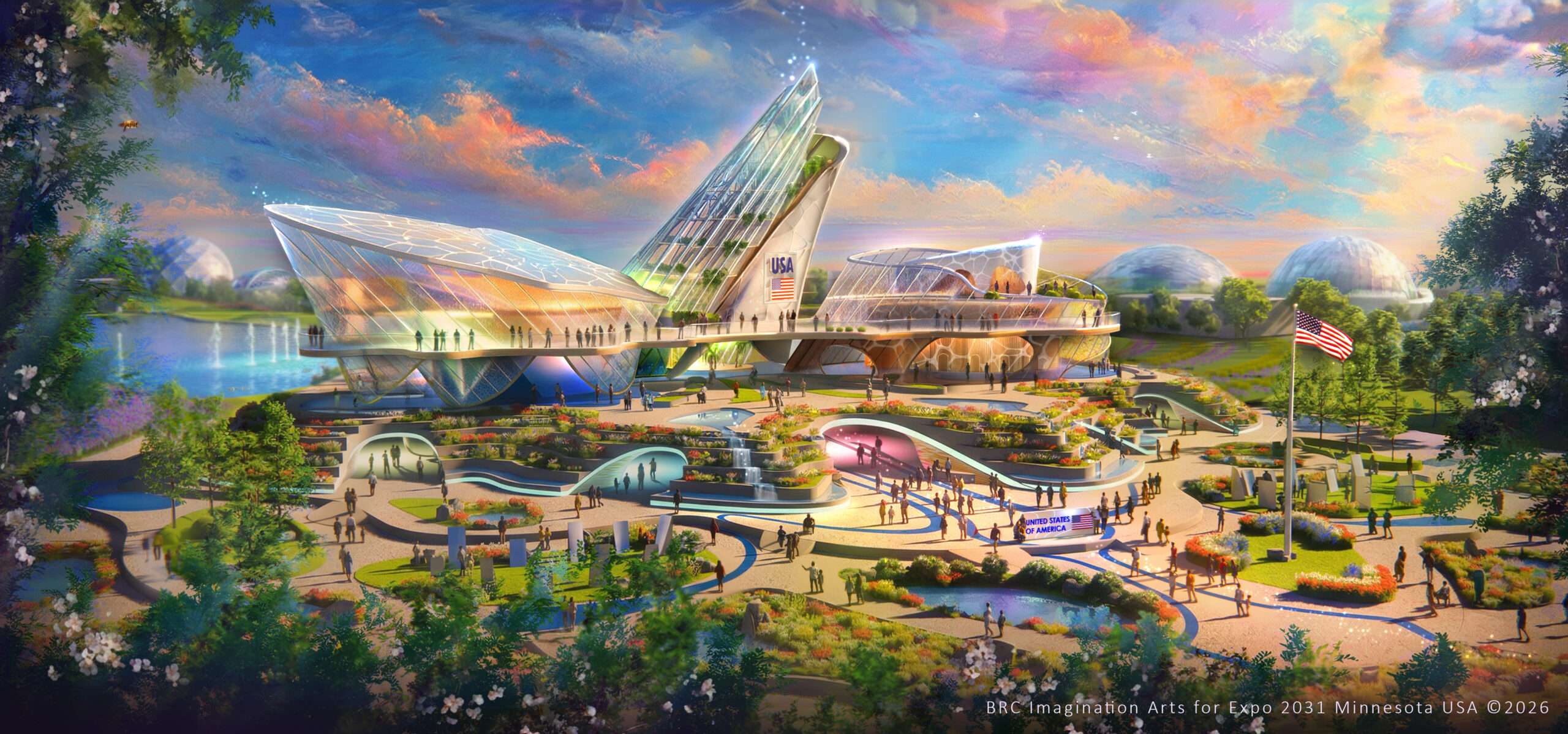
Now Expo 2031 Minnesota USA [a 501(c)(3) Nonprofit Corporation] is advancing Expo 2031 Minnesota — planned as America’s first A1 International Horticultural Exposition in Dakota County, scheduled for May–October 2031. The event has secured provisional approval from the AIPH (International Association of Horticultural Producers) and formal U.S. federal approval (from the Departments of Commerce and State).
Wendy Meadley, CEO, Expo 2031 Minnesota USA states: “What excites me most is the breadth of support forming around this project. We are seeing interest from government, business, horticulture, technology, tourism, education, and community partners who all understand that Expo 2031 can become a once-in-a-generation platform for Minnesota and the United States.”
Under the theme “Human/Nature: Where Humanity and Horticulture Meet,” the expo will feature sustainable agriculture, climate-smart innovation, horticulture, and future living districts. It projects over 4 million visitors from up to 80 countries and over $2-billion in regional economic impact. The master plan includes ecological zones, biodomes, global pavilions, and a legacy “Future Living District” designed as a permanent, sustainable community post-event.
This initiative reflects Minnesota’s enduring commitment to hosting world-class expos that promote innovation, sustainability, and long-term legacy development.
A more interconnected Expo era
Across Belgrade, Riyadh, Yokohama and Minnesota, a clear pattern is emerging: Expos are no longer isolated events but interlinked innovation ecosystems. Osaka’s living exhibits, digital archives, and VR environments are now feeding directly into future Expos, while Riyadh’s Vision 2030 alignment signals a shift toward long-term, cross-Expo collaboration.
The result is a new model of the World’s Fair — one where each event contributes enduring assets, knowledge, and ecological value to the next. •
HIGHLIGHTS FROM THE SHOW FLOOR AT INTEGRATED SYSTEMS EUROPE’S 2026 SHOW IN BARCELONA, SPAIN
by Martin Palicki
ISE returns to Barcelona February 2-5, 2027. Visit iseurope.org
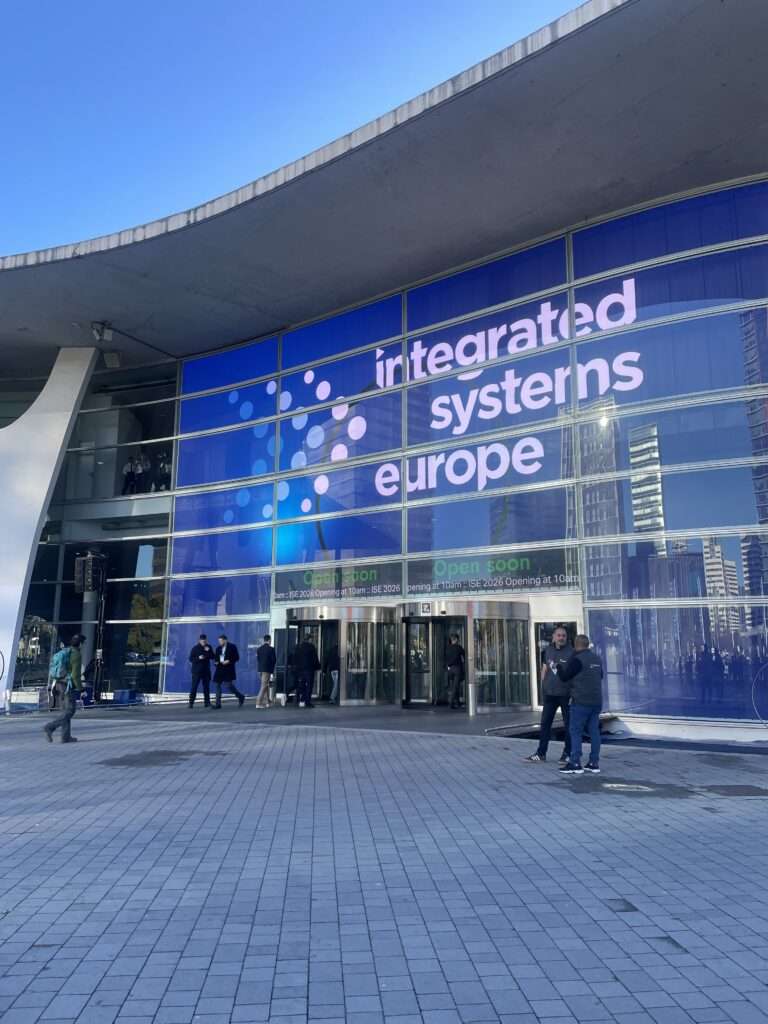
Integrated Systems Europe (ISE) 2026 closed its Barcelona run in February with record-breaking momentum, underscoring the growing convergence between pro AV, live events and themed entertainment. The show welcomed 92,170 unique visitors and 1,751 exhibitors across 101,000 square meters – the largest edition in its history. Beyond the numbers, the message was clear: the tools used to create immersive environments are becoming more intelligent, more connected and more accessible to a wider range of venues. Initiatives like the new Spark creative hub brought together technologists and storytellers from broadcast, gaming, design and live entertainment, while the launch of the ISE Foundation reinforced the show’s long-term commitment to industry growth and talent development. For themed entertainment professionals unable to make the event, here are some highlights from the show floor:
Barco
Barco’s new native-4K RGB QDX projector platform combines Rec. 2020 color with a modular design that allows key components to be swapped without removing the unit, a critical advantage for attractions running long daily operating hours.
A motorized rigging system enables precise physical alignment for stacked projection, while the DuraOptix optical engine is engineered to maintain image quality over high-hour use. For parks managing multiple attractions across large properties – or multiple properties across regions – Barco’s cloud-connected fleet management tools allow remote monitoring, diagnostics and performance optimization from a single location.
Christie
Christie’s booth demonstrated why projection remains indispensable despite the rapid rise of LED. Image mapping across a large, sculptured elephant highlighted the flexibility and cost-per-pixel advantages that continue to make projection the preferred solution for many large scenic applications.
The new Korus Series projectors bring 4K resolution into a price range traditionally associated with HD systems, using a compact form and shared lens compatibility to simplify integration. For museums, small to medium-sized attractions and preshows, and mid-scale immersive environments, that combination of performance and affordability opens new deployment possibilities.
Christie MicroTiles® LED and a technology preview of the new XP Series LED video wall solution were also showcased. XP series LED maintains visual integrity from very low to high brightness to deliver precise colors, ensuring content looks exactly as intended. Both solutions are powered by Christie VividLife™, the company’s advanced LED video processing platform.
Disguise
Disguise displayed the creative possibilities of a fully integrated media ecosystem. Its latest tools point toward a future where real-time content generation, LED, projection and interactive systems are part of a unified workflow. Ride creators understand that real-time content engines enable more interactivity within visitor experiences; an audience member’s choice can now translate into a new narrative path, allowing the person to be an active participant in the attraction’s story.
Disguise showcased several software features, including Ask AId3n, the company’s optional AI-powered workflow plugin for Designer, designed to reduce technical programming time and allow users to focus on creative output. The company also highlighted Mapping Matter, a browser-based projection mapping tool that enables users to previsualize and evaluate projector set-ups before arriving on site, helping reduce installation time.
The demonstrations also reflected broader trends in themed entertainment. Interactive dark rides, projection-mapped architecture and video continuity across entire sites are moving from flagship installations to standard practice. Disguise systems are already powering immersive tunnels, sports floors that track player movement and large-scale destination environments where retail, attractions and public spaces share a common visual language. For experience designers, the significance is notable: media systems are evolving from show control elements into the backbone of the guest journey. For more information, check out Disguise’s new magazine, launched at ISE.
Modulo Pi
Modulo Pi’s launch of Modulo Kinetic Version 7 addressed one of the most persistent challenges in immersive environments – recalibration and maintenance. Its expanded auto-calibration system can now align multi-projector arrays on complex 3D surfaces in minutes rather than overnight, delivering greater accuracy while reducing labor demands.
The platform’s redesigned interface allows operators to configure complex scenes across multiple displays and workstations, reflecting the reality that media servers must serve both creative teams and on-site technical staff. Integrated LiDAR support enables responsive environments in which projections react to guest movement, turning passive video mapping into interactive experiences.
Recent and upcoming installations in venues like Futuroscope demonstrate how these tools are being deployed for permanent attractions, children’s immersive environments and large-scale architectural mapping – all with an emphasis on repeatability and ease of operation.
Philips
Philips’ Wave platform illustrated how digital signage is evolving into a central operational tool. From ride queue messaging to retail promotions and wayfinding, a single system can manage thousands of screens across a property, automate content changes based on time of day or environmental conditions and monitor hardware status in real time.
For large parks and resorts, the implications extend beyond communications. Dynamic content can influence guest flow, drive in-park spending and personalize experiences, while energy-efficient displays and recyclable materials address sustainability goals.
Interactive retail demonstrations and AI-enabled touchpoints further emphasized the shift toward responsive environments, where screens are not simply informational but participatory. •
SALLY DARK RIDES AND SIX FLAGS BRING PHANTOM THEATER BACK TO KINGS ISLAND FOR 2026
by Martin Palicki
When Phantom Theater opened in 1992, no one could have predicted how it would capture the hearts of Kings Island guests. It was a regional park dark ride: charming, theatrical, spooky, and unique. But over the decade that followed, it evolved into a memorable classic in a way few attractions can. When the ride closed in 2002, the spirit (and spirits) of Phantom Theater stayed behind – if only, perhaps, in the memories of guests. Now, in 2026, the ghosts of the past have been given a new (after)life in the park.
With Phantom Theater: Opening Nightmare, Kings Island has built upon the legacy of the original attraction.
While there are many homages to the original, the ride is truly a reimagining. It leans heavily on nostalgia while also introducing interactivity, modern design and technology. The project is the result of a close collaboration between Kings Island, Six Flags creative leadership, and Sally Dark Rides, and it offers a compelling case study in how legacy attractions can evolve without losing their soul.
Listening to the audience
The return of Phantom Theater began with guests. “At every park, there are attractions that guests say: We’d love to have that back,” says Ken Parks, Vice President of Creative Development for Six Flags. “At Kings Island, Phantom Theater was on the top of that list.”
The team at the park (just outside Cincinnati, Ohio) knew that information based on years of guest surveys, feedback and awareness of social media. But it took a creative spark to move from nostalgia to action. It came during a blue-sky development process that Parks and his team explored over the course of a year. The idea was simple but provocative: what would Phantom Theater look like if it were created today?
Before committing to a full-scale attraction, the team tested the concept through a live production, Phantom Theater Encore, during the park’s 50th anniversary season in 2022. The show reintroduced the characters and basic storyline to audiences while serving as a proof of concept. Perhaps unsurprisingly, it worked. The response was strong enough to validate what many frontline park employees had long known: Phantom Theater still had cultural currency with the park’s audience.
At the same time, Kings Island was evaluating the future of Boo Blasters, the interactive dark ride that had occupied the former Phantom Theater for 15 years. “We asked ourselves: What does this building want to be?” says Kings Island Park President Tony Carovillano. “The light bulbs just started going off. Phantom Theater is such an iconic brand for us. It just made sense.”
Owning the story
With many theme park projects now driven by licensed intellectual property, Phantom Theater represents something increasingly rare: a proprietary attraction with deep local and generational value. “It’s part of Kings Island’s identity,” Carovillano says. “Guests feel like they own it.” That ownership is both emotional and generational. “We have guests who rode it in 1992 coming back with their kids,” he continues. “Now those kids get to experience something their parents loved. That’s powerful!”
Parks sees that as both an opportunity and a responsibility. “Nostalgia is part of the DNA of theme parks,” he says. “But it has to be handled carefully. The goal isn’t to recreate something exactly as it was. It’s to capture the emotional essence and build something that stands on its own.” That balance became the central creative challenge of the project.
A full-circle collaboration
With an idea firmly in place and a location secured, the Six Flags and Kings Island team turned to industry veterans Sally Dark Rides to help advance and finalize the project. “Sally had a history of working on dark rides in this building, and they certainly understood the medium,” says Parks. “There was a clear cohesiveness there that made them the right partner.”
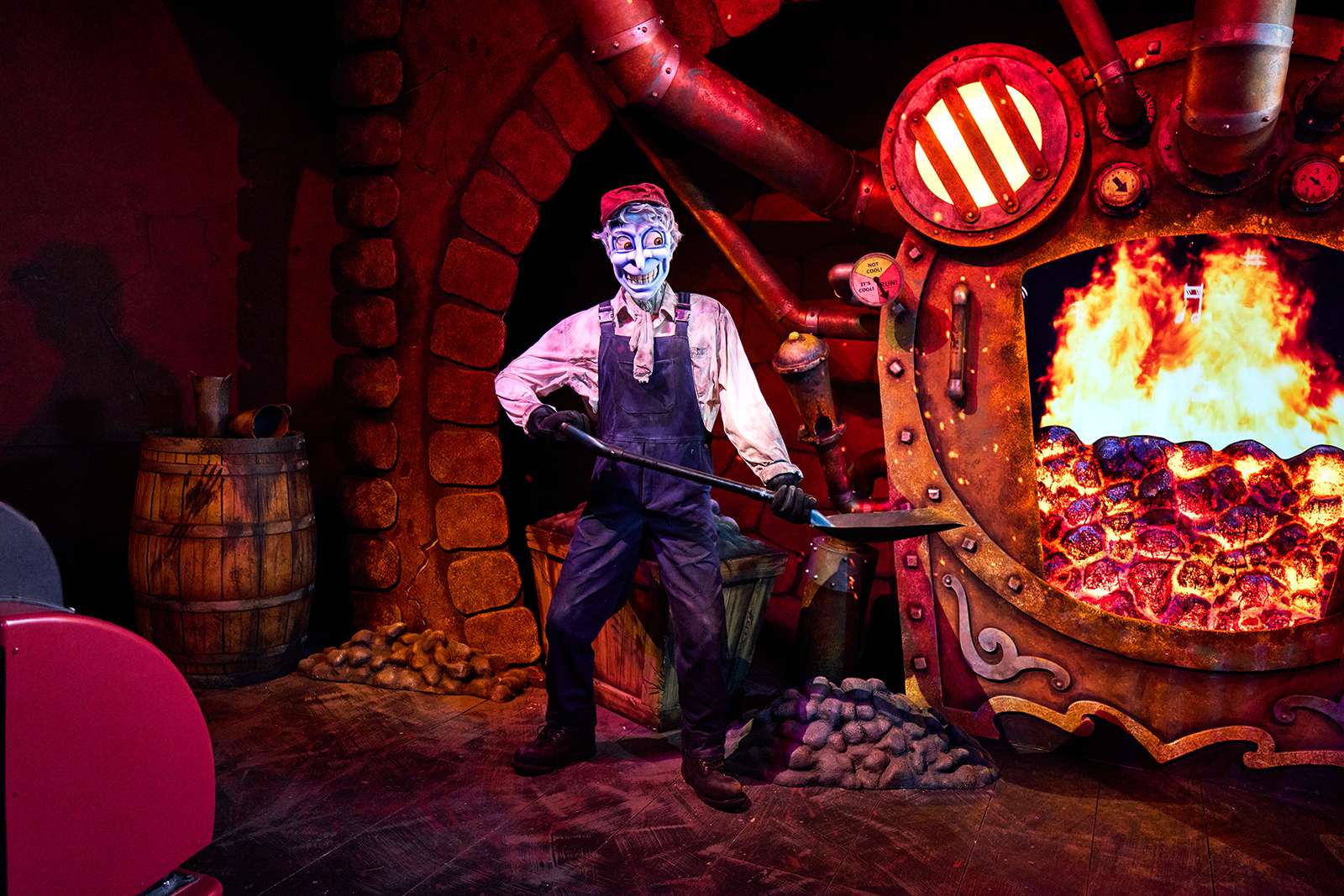
Sally Dark Rides reimagined classic elements from the original Phantom Theater attraction, such as the creepy boiler room scene.
For the Sally Dark Rides team, the project was a chance to create a new dark ride practically from the ground up. The company was tasked with translating the original Phantom Theater into a fully realized modern attraction, from concept through installation. “We were involved from the earliest conversations about what this ride could be,” says Drew Hunter, Vice President of Creative Design at Sally Dark Rides. “From there, we developed the story, designed every scene, created the characters, and ultimately built and installed the experience.”
Sally led the full creative pipeline, including storyboarding, scenic design, character fabrication for over 30 figures, animation and on-site installation, while coordinating with key partners for interactivity, media, and lighting. The result is a cohesive experience in which narrative, technology, and physical environments are tightly integrated. “We were involved in every step of the process, from the first idea to what guests experience today,” Hunter says.
The collaborative dynamic with Six Flags and Kings Island throughout the process was key to the project’s success. According to Hunter, the clarity of vision and responsiveness from the park allowed the project to move efficiently while still evolving creatively. “It was a great marriage,” he says. “They knew what they wanted, but they were also open to ideas. That kind of collaboration makes a huge difference.”
Within that broader partnership, the project also benefited from a meaningful connection to its origins. Rick Bastrup, President of R&R Creative Amusement Designs Inc., (who built the original 1992 Phantom Theater) returned as a contributing creative voice. “There’s an authenticity that comes from that,” Parks says. “You can feel that connection.” Bastrup also appears in a ghostly cameo within the ride, a subtle nod to the original creative team and the legacy they established.
Designing a new narrative
“The biggest challenge was capturing the feeling of the old ride,” says Hunter. “There are people who loved that attraction deeply. You want to honor that while still creating something new.” Rather than attempt a scene-by-scene recreation, the team developed an entirely new storyline built around the concept of “ghost notes” escaping into the theater.
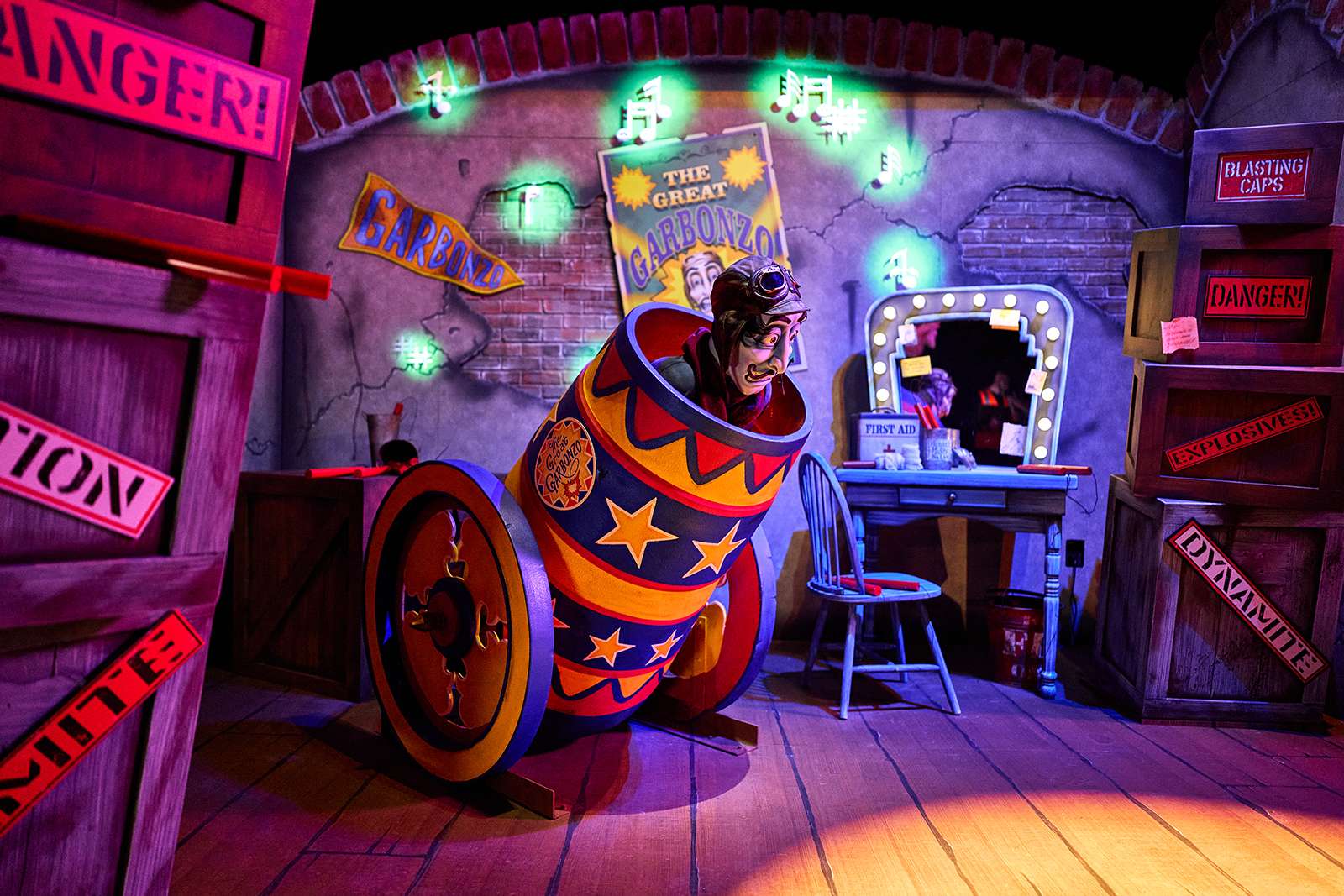
The Great Garbonzo prepares for his act; escaped “ghost notes” float overhead, ready to be sent back to the organ by helpful guests / ushers.
“We started with the understanding that the original ride was passive,” Hunter explains. “You sat and watched. This time, the park wanted interactivity. That meant we needed a narrative to support that.” Hunter created detailed storyboards for all 26 scenes, ensuring that every moment could be both visually compelling and physically buildable.
Tone was critical. “The park didn’t want it to be too scary,” he adds. “It’s spooky, it’s whimsical, but it’s accessible and fun. They’re funny phantoms, not frightening ones.” This is reinforced right from the start in the new preshow queue where the main characters Maestro and No-Legs Larry banter with each other in a dialogue rife with puns. They explain that the original performers (and a couple of new ones too!) are back for another performance in the theater. Shortly before showtime, the theater is struck by a bolt of lightning, and all the musical ghost notes escape from Maestro’s organ. Guests are recruited as ushers and asked to use their special flashlights to illuminate ghost notes when they see them, sending them back into the organ so the show can go on!
The attraction utilizes the same original Omnimover-style ride system and track layout. Ride vehicles were renovated to become “enchanted opera boxes” and reconfigured to travel in pairs with additional time between sets to allow for scenic reset. While the floorplan remained roughly the same as the previous attraction, everything else was gutted. New sets, scenescapes and animatronics were designed and produced by Sally Dark Rides. The 6.5-minute ride provides a nice long experience but goes by quickly with the interactive gaming and richly decorated scenes.
Classic elements returned to Phantom Theater: Opening Nightmare but often in reimagined forms. The boiler room, a fan favorite from the original, is still present, though in a new location. Character spaces like Hilda’s dressing room and Houdelini’s performance area have been updated to reflect new storytelling beats using modern technology. “We didn’t go too far afield,” Hunter says. “We wanted people to recognize those spaces. But we also wanted to surprise them.”
Adding to the experience
Sally Dark Rides worked closely with partners including Alterface, Techni-Lux, and Pure Imagination, along with composer John Citrone who wrote and recorded a custom musical score that references and ties the experience back to the original attraction.
Tony Carovillano, Kings IslandKen Parks, Six FlagsDrew Hunter, Sally Dark Rides
One of the most significant changes from the original Phantom Theater is the addition of interactive gameplay using handheld “flashlights” from Alterface. Throughout the ride, moving ghost notes are projected directly onto the scenery and sets. “It was important for us to not have distinct screens in the attraction,” explains Hunter. “The projectors put the ghost notes directly onto the walls and scenic elements, appearing to make the gameplay area endless.”
Each flashlight is color coded, and guests see their colored circle of light appear in the projection wherever their flashlight is pointed. The devices are lightweight, provide haptic feedback for when ghost notes are zapped, and intuitive to use. Together, the projection system and interactive devices bring elements of competition and re-rideability. But for both Parks and Hunter, the key is restraint. “The interactivity had to add to the story, not take it over,” Parks says. “The targets are part of the environment,” he explains. “You could ride through and not even realize it’s a game.”
Hunter echoes that approach. “Even if you don’t pick up a flashlight, you have a complete ride,” he says. “But if you do engage with it, it encourages you to come back and experience it again.”
The role of dark rides today
Phantom Theater: Opening Nightmare highlights the evolving role of dark rides in regional parks. “I think every park should have an indoor immersive attraction,” Carovillano says. “It diversifies what you offer and can expand your audience.”
Parks echoes that sentiment, calling dark rides part of a larger programming strategy. “You want something for everyone,” he says. “Dark rides are a big part of that.” Phantom Theater: Opening Nightmare is certainly a major part of Kings Island’s strategy, and a demonstration of how legacy attractions can evolve to meet contemporary expectations while still honoring the past.
By combining nostalgia, interactivity, and collaborative design, Sally Dark Rides, Kings Island, and Six Flags have created an experience that celebrates Phantom Theater while embracing new generations of guests. For an industry often focused on what’s next, Phantom Theater: Opening Nightmare offers a reminder that sometimes the most powerful ideas might be the ones that never really left. •