
A conversation with Matt Proulx, Senior Vice President, Global Experiences, Partnerships and Music at Hasbro
Interview by Martin Palicki
Hasbro is one of the most active players in the location-based entertainment and branded experience space, with projects spanning theme parks, live entertainment, restaurants, immersive gaming and family entertainment centers around the world. During Licensing Expo 2026, InPark Magazine spoke with Matt Proulx, Senior Vice President, Global Experiences, Partnerships and Music at Hasbro, about global expansion, experience design, industry trends and the challenges of building sustainable experiential businesses.
InPark Magazine: Hasbro made several announcements this week tied into Licensing Expo, including news about a new concept in China. Can you tell us about Dreamland powered by Hasbro?

Matt Proulx: This is going to be our first big project with Max-Matching, and we’re really excited about it. It’s a multi-brand FEC concept, so guests will experience several Hasbro brands, including Transformers, My Little Piny, and Peppa Pig, within one overall attraction. While our brands have global awareness, every culture experiences play differently. People socialize differently, they engage with brands differently. Max-Matching has been a tremendous partner in helping us ensure the experience feels authentic for that market. We think it has strong potential not only in China, but eventually in other regions as well.
InPark: What qualities are you looking for in partners?
Proulx: Vision and execution. We want partners who understand how to create great guest experiences, but we also recognize that experiential projects require constant collaboration.
This business isn’t just about signing a licensing agreement and hoping for the best. We work closely with partners every step of the way because operational strategy, marketing, leasing structure and staffing all matter tremendously. You can have a fantastic concept, but if the business fundamentals aren’t sound, things can go wrong very quickly.
InPark: Licensing International’s global trends report showed North America still holds the largest share of the licensing market, but many of Hasbro’s recent projects are launching internationally first. Why is that?
Proulx: We actually have a very balanced global portfolio. We have projects opening in North America that we haven’t announced yet, along with developments in Latin America, Europe, China and the Middle East.
When we first started building this business, though, many international markets were ahead of the U.S. in embracing what we now call the experience economy. Consumers increasingly want experiences over products, and some overseas markets adopted that mindset earlier. The U.S. has caught up quickly, but those early international opportunities gave us room to test and learn.
InPark: How do you determine which Hasbro brands translate into experiences?
Proulx: We start by looking at trends and demographics before they fully emerge. When we launched Monopoly Lifesized years ago, that was really one of the early examples of competitive socialization before the category exploded.
Then we evaluate which brands naturally align with specific play patterns and audiences. Peppa Pig, for example, is an incredible fit for family entertainment. We now have multiple Peppa Pig theme parks, World of Play attractions and play cafés because we understand exactly how that audience wants to engage.
At the same time, something like Dungeons & Dragons: The Twenty-Sided Tavern brought an entirely new audience into the theater. The key is finding the right format for the right audience.
InPark: What trends in the LBE industry are most exciting to you right now?
Proulx: Honestly, all of them. We live in an experience economy. Consumers want more meaningful engagement, especially experiences they can share socially while also reconnecting face-to-face.
What excites me most is discovering new ways people want to play. Some trends are highly visible, like competitive socialization, while others are more subtle. Even soft play for younger children continues evolving when you apply brands thoughtfully. People want delight and surprise. They want memorable moments that feel authentic. That’s what we focus on.
InPark: There are also financial realities facing experiential entertainment. Some projects succeed while others struggle. How do you approach that balance?
Proulx: It really comes down to discipline and understanding your business fundamentals. You need to know your audience, your market, your operational model and your capital structure from the beginning.
Some attractions can rely heavily on tourism and one-time visitation. Others require repeat local attendance. If you don’t understand those dynamics clearly, you can quickly get into trouble.
One thing we’ve learned over the past twelve years is that this business requires hands-on collaboration. We advise partners on everything from lease structures to operational efficiencies because ultimately we all succeed together.
InPark: Hasbro was an early leader in branded experiences. How do you view the increasing competition entering the space?
Proulx: I actually think it’s good for the industry. More companies entering the space creates more opportunities and more investment. At the same time, we all share responsibility for making smart decisions because failures can impact investor confidence across the entire sector.
For us, the focus is continuing to innovate and stay ahead of where the market is going. We’re always trying to identify where we can zig while others zag.
InPark: Is there a recent project that makes you think, “This is where the industry is headed”?
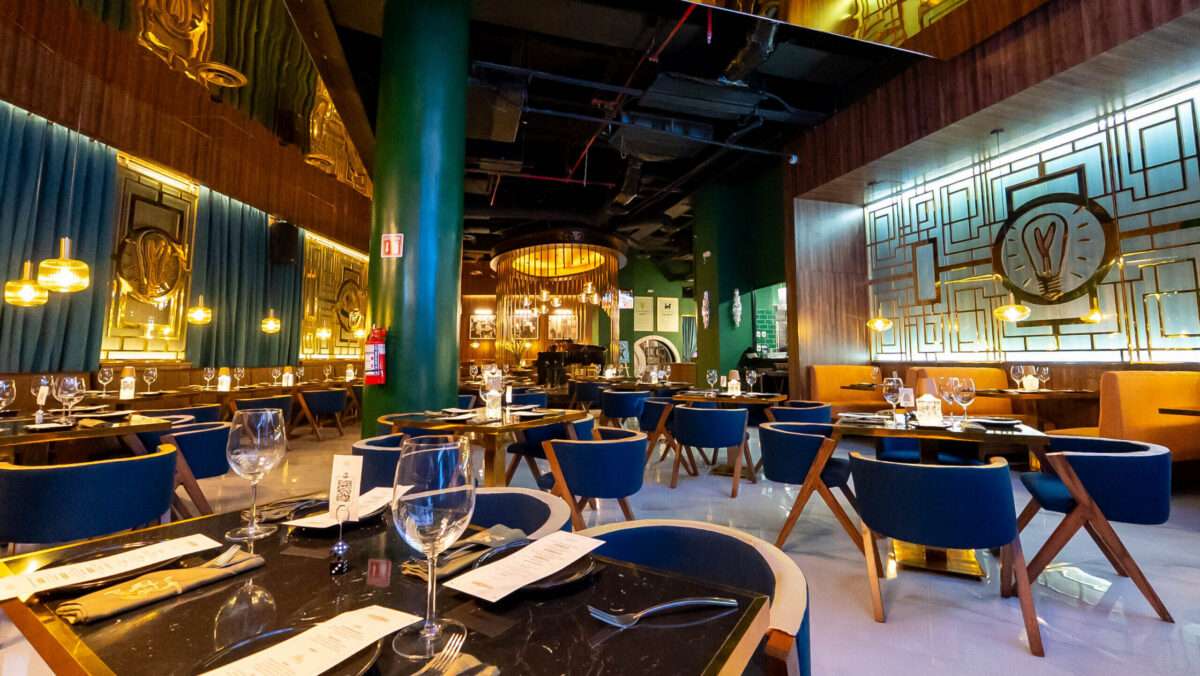
Proulx: I’ll actually point to Monopoly Steakhouse, that recently opened in Monterrey, Mexico. What’s exciting about it is how authentically the brand is woven into the dining experience without overwhelming guests.
At the end of the meal, guests receive a Monopoly-style Chance card. Maybe dinner is discounted, maybe it’s free, maybe there’s another surprise. Those moments feel playful and authentic to the brand rather than forced.
That’s where I think the industry is going: creating experiences where the brand enhances the guest journey naturally and meaningfully rather than simply existing as decoration.