
SimEx-Iwerks’ Vision 360™ wraps guests in immersive storytelling
interview by Martin Palicki
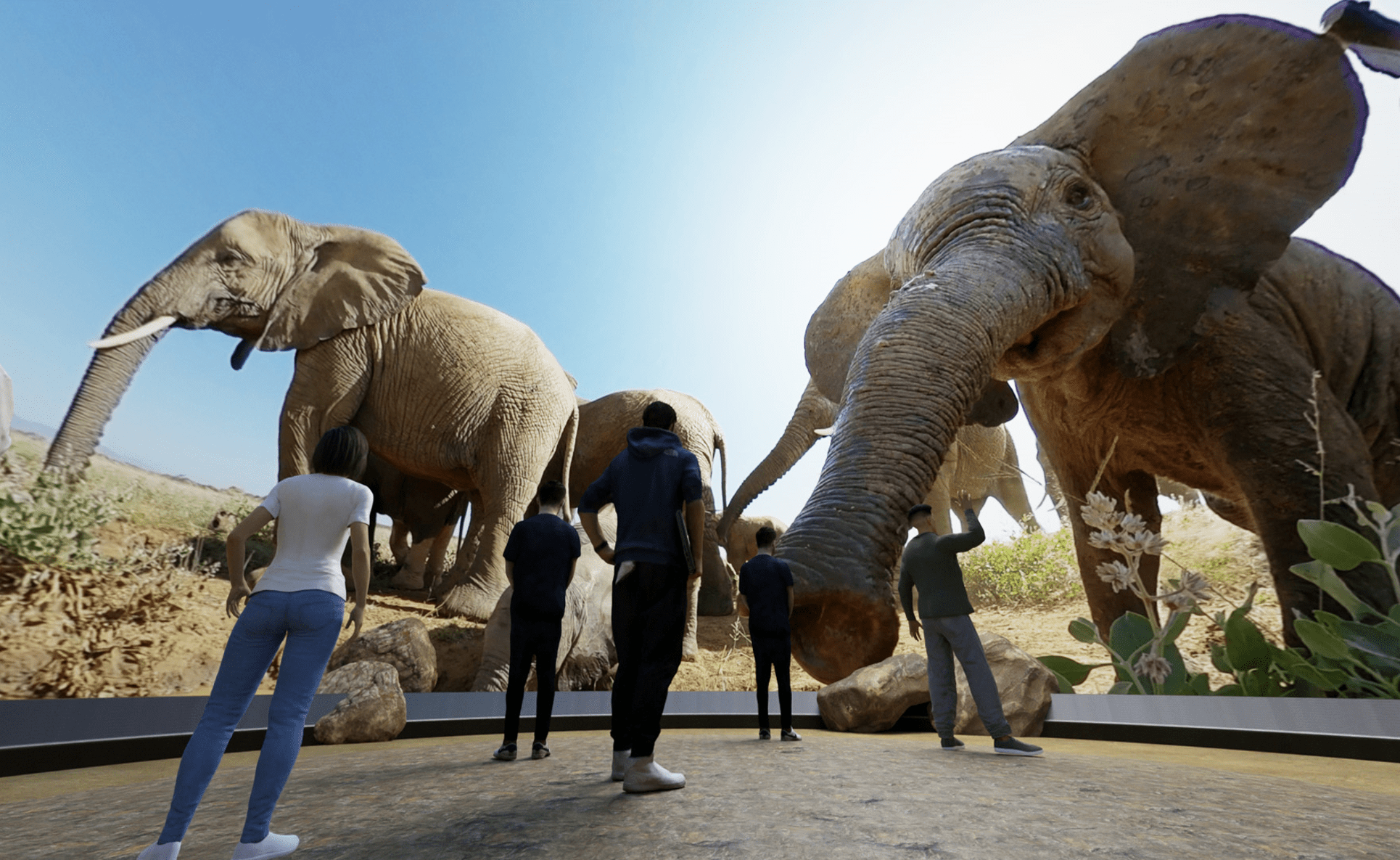
SimEx-Iwerks has spent decades at the forefront of cinematic attractions, creating shared experiences that blend storytelling, technology, and sensory impact. With the debut of Vision 360™, the company is expanding its reach, offering operators a turnkey, flexible, high-impact immersive environment designed to engage guests in a new way. The 360-degree LED room surrounds visitors with vivid imagery, spatial audio, and subtle effects, encouraging movement and exploration.
We spoke with Kate Magnusson, Vice President of Marketing & Partnerships for SimEx-Iwerks about how Vision 360 fits into the company’s portfolio, potential applications and how the company is expanding in other ways.


of Marketing & Partnerships
What is Vision 360 and what makes it unique?
Vision 360 is a full LED room wrapping guests with stunning imagery. There are no seats, so people can move around, look in every direction, and share the experience together. We have incorporated audio cues and subtle effects that add to beautifully choreographed shows that feel both grand and intimate at the same time. For our zoo and aquarium partners, it is a chance to bring guests closer to animals in new ways, capturing moments and behaviors that can deepen their visit. We want guests to feel that they are standing in the Serengeti, as an example, to really experience what is happening all around you.
Can you elaborate more on how it can be simultaneously grand and intimate?
We designed the space to create a very intimate experience while ensuring a solid throughput for venues.
The imagery will be close and impactful. At the same time, the 13-foot-tall LED walls and ceiling create big, cinematic moments. When paired with well-choreographed, life-size or larger-than-life content, it creates a powerful sense of scale and emotional connection.
What inspired the creation of Vision 360?
We wanted to create an immersive experience that delivers a unique and powerful moment, something guests cannot stop talking about afterward. We imagined families and friends experiencing it together, kids tugging on their parents’ sleeves in awe. We also wanted to tell stories in a new way. Our shows will not have narration; they are visually driven experiences that pull you in through the content itself.
How does it differ from other immersive theaters?
Most immersive theaters, including our own Immersion Theater, are seated experiences built around a projected main screen. They are story-driven, adventure-style shows with sensory effects, perfect for broad family audiences. With Vision 360, it is less about watching a show and more about being part of the moment.
What type or size of venues is Vision 360 designed for?
We designed the attraction to be flexible. Many venues will offer Vision 360 as an add-on within their park or museum activating an existing footprint and plugging into current ticketing and operations. That said, it can also be a standalone attraction as a signature draw.
You mention zoo installs, but what other locations do you see it fitting into?
We are launching in the zoo and aquarium market. But Vision 360 is great for a variety of locations using a wide range of content, from space to weather to gaming environments and beyond.
What logistical considerations should operators think about?
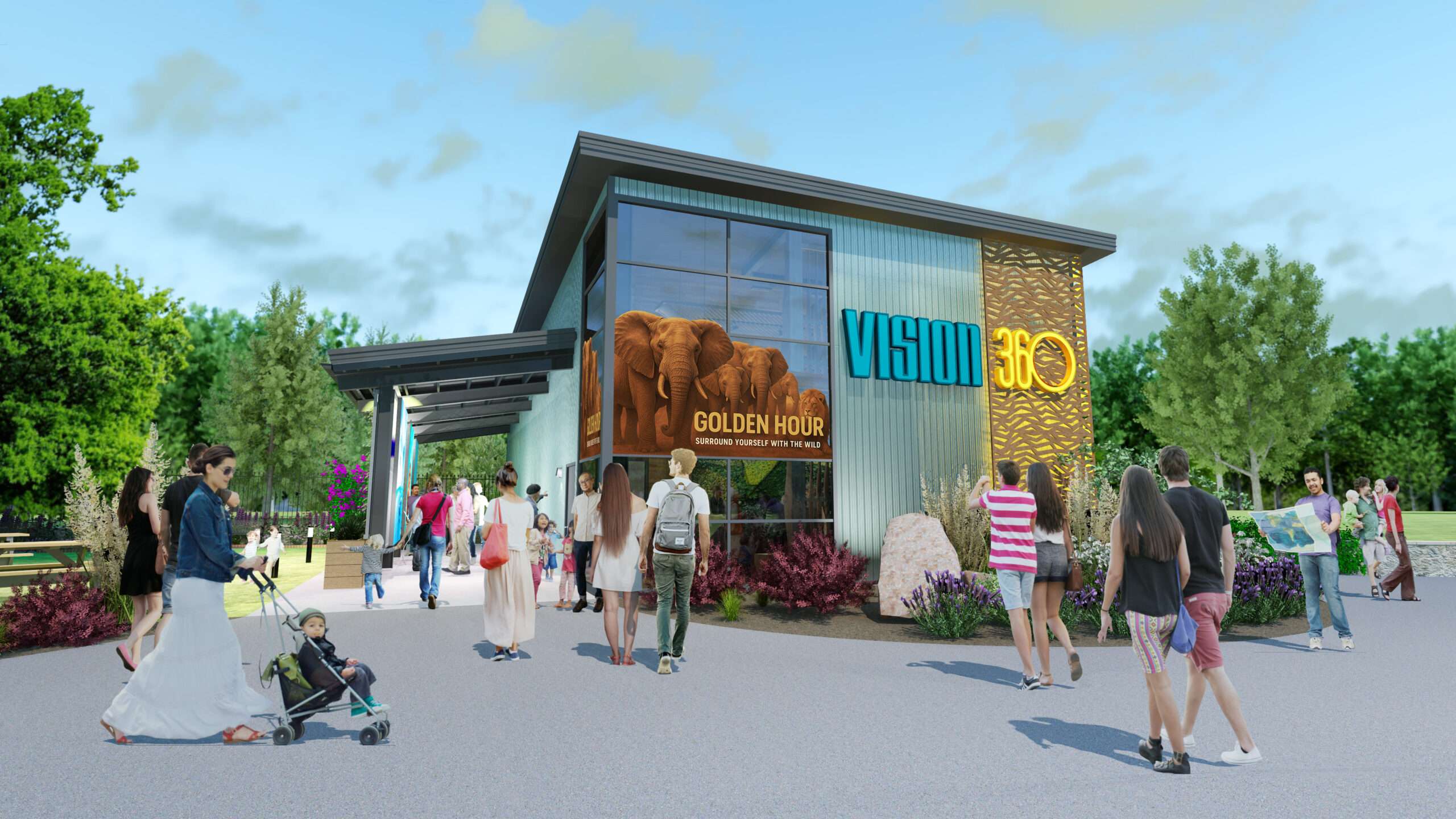
As with any attraction, location is key. We can design into an existing space or deliver a building. This allows us to customize how the attraction works within a space to maximize visibility. Our delivery is turnkey, with limited site preparation required and with proven durability.
How did you design the experience to appeal across age groups?
We wanted Vision 360 to feel visually impressive for everyone. The pacing is intentional, combining visual and audio cues to keep audiences engaged. The shows balance big, impactful moments with smaller details, so guests can discover something new no matter where they stand.
How does Vision 360 fit into your overall product lineup?
Our focus has always been cinematic attractions, and we have leaned more into creating immersive environments. Vision 360 complements our Immersion Theater and FlyRide. Vision 360 is a flexible, stand-and-move experience; Immersion Theater is a proven performer that delivers seated 3D with effects; FlyRide is our flying theater. Together, they offer a range of guest experiences for different footprints and price points.
Beyond Vision 360, what else is SimEx-Iwerks working on?
We have developed our next generation 4D Theater called Immersion Theater. We’ve included wider screens, side-wall imagery, upgraded projection or LED, in-seat effects, and robust control systems that streamline operations. On the content side, we’re curating and creating titles designed to maximize each technology and provide that experience that guests can’t get at home. We will be announcing two Immersion Theater locations leading up to the IAAPA Expo in Orlando.
How are you making your experiences more accessible?
We look for ways to go beyond what is required. A recent project with Morgan’s Wonderland in San Antonio inspired us to do more. We developed motion platforms for mobility devices. In addition, we are adding language translation to our captioning devices in 2026 and have incorporated inductive loop support for hearing aids. We also offer sensory-friendly versions of shows for special events or scheduled times. Vision 360, in particular, requires no glasses or headsets, and its open floor plan welcomes wheelchairs and mobility devices.
Based on Vision 360 and overall growth, where is SimEx- Iwerks headed?
We will continue to innovate cinematic experiences, add great content, and grow our nature-based experiences that reconnect guests with the outdoors. Our goal is to deliver turnkey, reliable attractions that appeal to broad audiences and inspire repeat visitation.
How can people get more information?
Visit us at IAAPA Expo in Orlando, Booth #1652 or reach out to [email protected]. Let’s talk about bringing a Vision 360 attraction to your venue! •

