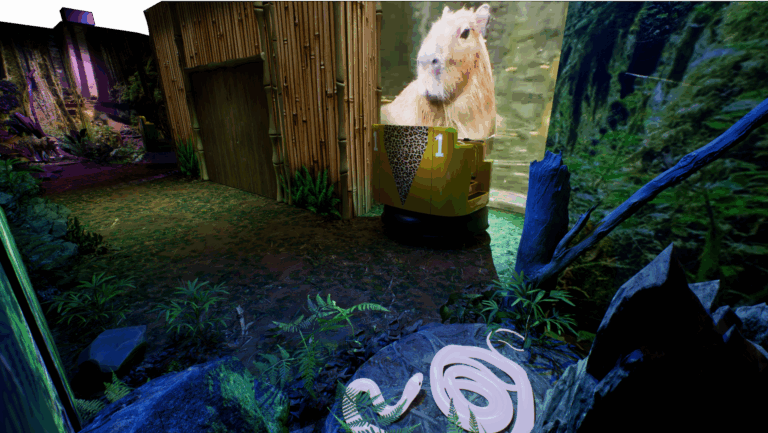
Sally Dark Rides, the creator of immersive, interactive dark rides, has announced a new addition to its lineup: the Mini™ Dark Ride for Zoos and Aquariums.
Designed for venues with compact footprints and a growing demand for weatherproof indoor attractions, the Mini™ brings the traditional dark ride to spaces as small as 2,000-3,000 square feet without sacrificing storytelling, interactivity, or excitement.
“Zoos and aquariums are looking for ways to expand guest offerings year-round,” said Rolf Paegert, CEO Sally Dark Rides. “The Mini™ provides a flexible, turnkey solution that delivers a complete dark ride experience with a smaller footprint, lower costs, and faster ROI.”
A complete ride experience in a compact package
The Mini™ incorporates all the hallmarks of a full-scale Sally dark ride: immersive theming, engaging characters, interactive gaming, and cinematic media – optimized for limited spaces and efficient operation.
Featuring rotating stages, wrap-around projection screens, invisible blacklight paint, and dynamic projection mapping, this patented system delivers multiple ride scenes in one continuous experience. Each installation includes:
Story Development & Ride Design
Trackless Ride System (5-6 passengers per vehicle)
High-Resolution Interactive Media (3D optional)
Animatronics & Animated Props
Themed Scenery with 4D Special Effects (wind, scent, lighting)
Onboard Audio, Show Control, and Optional Photo Scoreboards
With two trackless ride vehicles and dual turntables, the Mini™ achieves throughputs of up to 200 people per hour.
Depending on capacity needs, the Mini™ ranges from $4-5 million. The compact footprint reduces infrastructure requirements and enables installation in existing buildings or underutilized spaces.
Endless storytelling possibilities
Each Mini™ ride can be customized through interchangeable media and scenic environments. Guests might:
Embark on close-up animal encounters
Soar through treasured national parks
Glide from sea to sea helping clean the oceans
With easily swapped media packages, operators can keep the experience fresh and re-market the attraction seasonally or annually.
Behind the tilt by Carin Davits Vekoma’s Tilt Coaster delivers iconic thrills and engineered suspense
Story you can experience interview by Martin Palicki Morgan Fix Creative brings creativity and precision to themed entertainment projects
LED takes flight interview by Becci Knowles Air Cruise The Ride, Brogent’s 8K LED dome, redefines the flying theater experience COVER STORYMappability, granularity and the power of bespoke by Judith Rubin Smart Monkeys and the Smithsonian re-invent lighting control
Imagining together interview by Martin Palicki BRC’s Christian Lachel on the USA Pavilion at Expo 2025 Osaka
Beyond the season by Martin Palicki and Becci Knowles How B Morrow Productions engineered a blueprint for growth
Built to be shared by Martin Palicki WhiteWater helps design experiences guests can’t stop talking about
Building an AV oasis by Ed Qualls, CEO, Just Add Power Just Add Power drives AV integration at The Elmont Resort in El Paso
New wavelengths by David Green Visual Terrain debuts Luminous Terrain, making playing with light fun for everyone
Grand and intimate interview by Martin Palicki SimEx-Iwerks’ Vision 360™ wraps guests in immersive storytelling
Engineering meets immersion by Martin Palicki and Judith Rubin Simtec and The VOID collaborate on a new, compact dark ride attraction model
At the park and on the field by Martin Palicki Image Engineering’s acquisition of TASC helps expand the possibilities of both live and themed entertainment
Vekoma’s Tilt Coaster delivers iconic thrills and engineered suspense
by Carin Davits, Vekoma
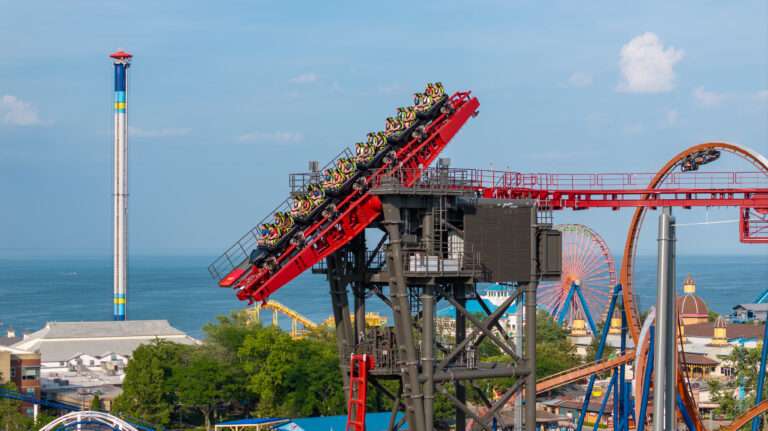
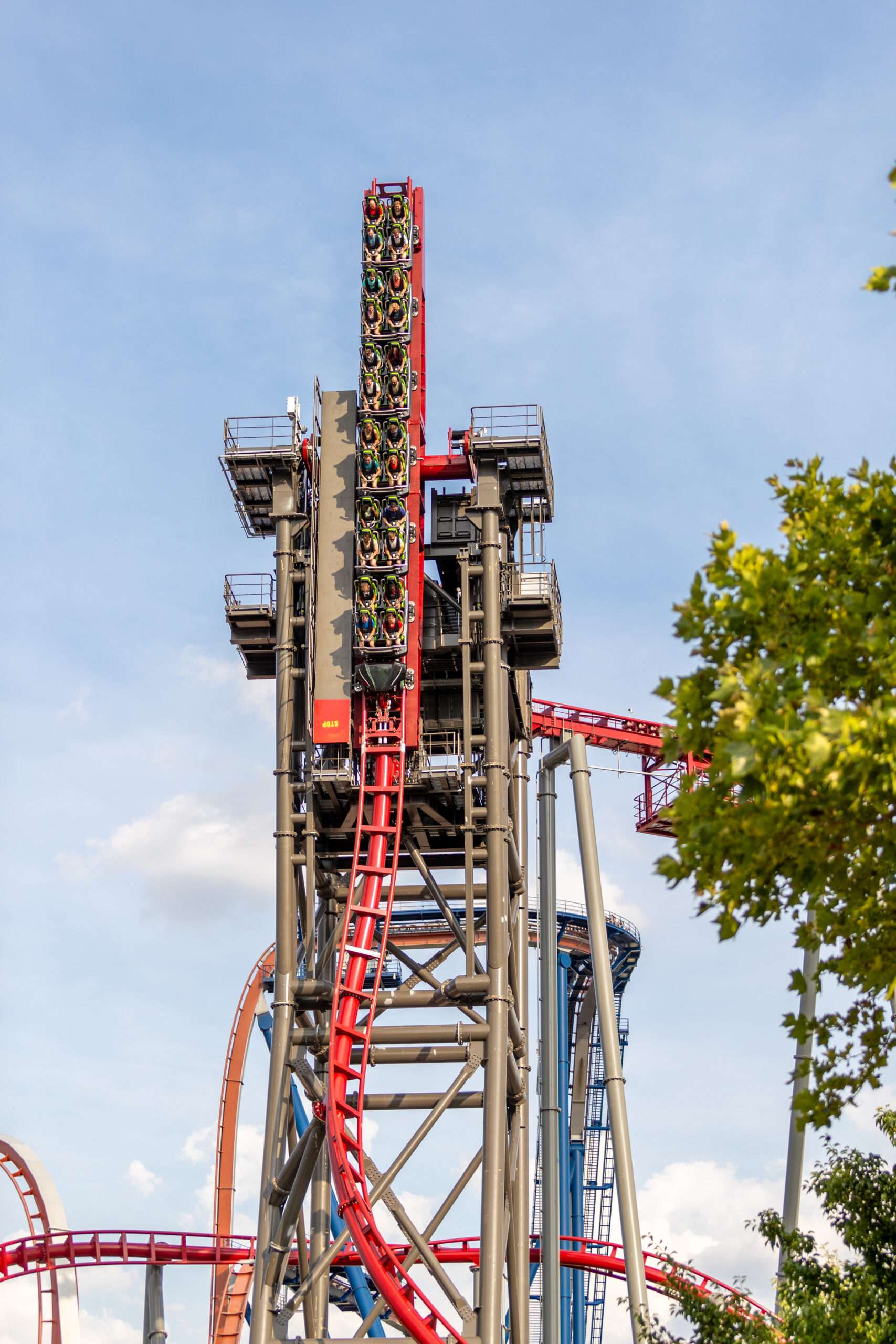
In the competitive world of attraction innovation, the Tilt Coaster has emerged as a symbol of engineering ingenuity and carefully crafted thrills. Developed by Vekoma, this ride concept features a dramatic tilt mechanism in which the train pauses on a horizontal segment of track that then tilts vertically before releasing riders into a high-speed coaster course. The moment of suspended anticipation is not only a mechanical achievement but also a deliberate storytelling beat, designed to heighten psychological tension before the plunge.
Tilt Coaster stands out for its theatricality. The tilting section creates the striking illusion of a broken track, a spectacle that draws attention as much from guests on the ground as from those onboard. The engineered pause builds suspense in a way that a conventional drop cannot, turning a simple descent into a moment of genuine drama. Because the system can be adapted to a compact footprint and layered with themed design, the ride type has become a flexible option for parks looking to add signature experiences without requiring extensive land use.
Siren’s Curse – Cedar Point, USA
Siren’s Curse at Cedar Point
Opened in June 2025, Siren’s Curse quickly earned a reputation as a standout attraction at Cedar Point. Its tilt element delivers a sustained moment of tension before riders are launched into a layout packed with airtime and inversions. The experience is heightened through onboard audio and lighting effects that emphasize the story of a haunted sea legend, transforming a mechanical maneuver into a fully integrated narrative sequence.
With 13 airtime elements, two barrel rolls and a triple-down drop, the coaster blends intensity with precision engineering. It’s strong operational performance and high uptime have been notable – a reflection of the maturity and reliability of Vekoma’s tilt technology.
Circuit Breaker – COTALAND, Texas
Though COTALAND will debut in 2026, Circuit Breaker soft opened in October 2025 for the F1 race, introducing the tilt coaster experience to Texas. Rising to 131 feet, the layout includes four inversions, a barrel roll downdrop, a tunnel and camelback elements. Its sleek, high-speed profile was designed to complement the motorsports theme of COTALAND, positioning the coaster as a signature attraction for the park and the region.
The ride’s integration with its surrounding environment underscores how tilt coasters can be tailored to reflect a park’s broader identity rather than existing as standalone novelties.
Iron Rattler – Six Flags Qiddiya City, Saudi Arabia
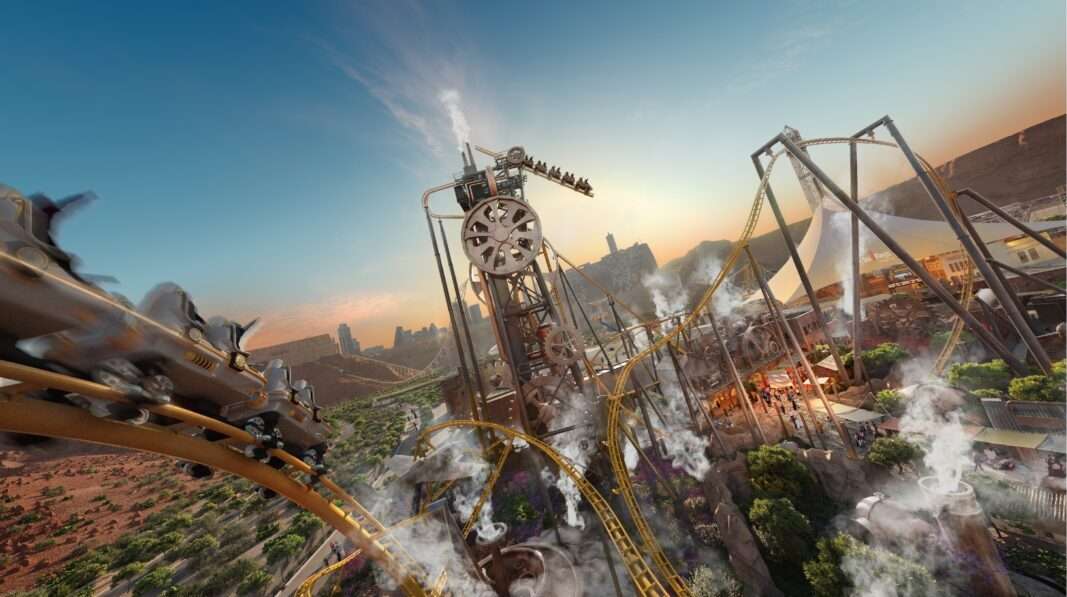
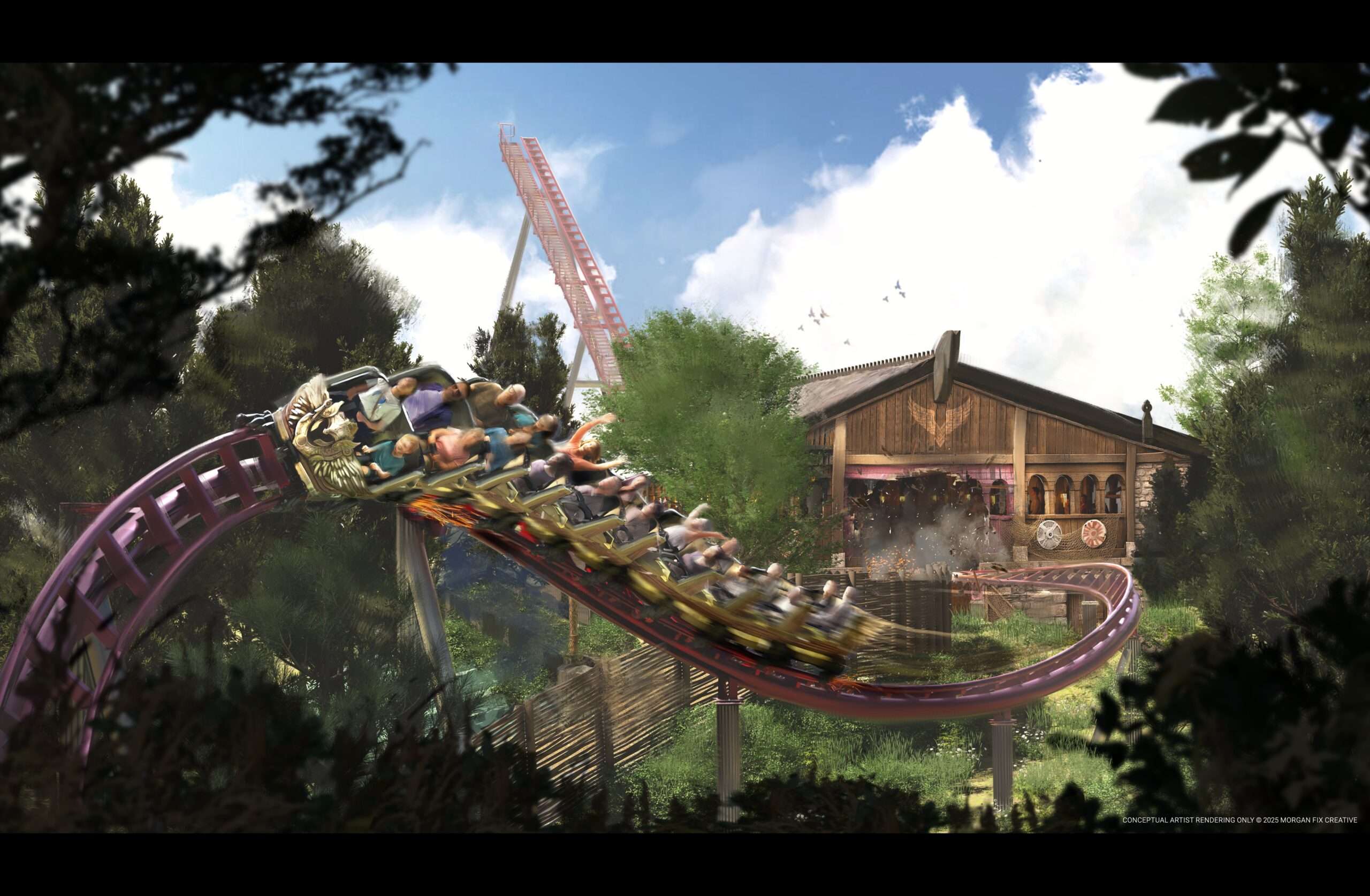
Concept art for Iron Rattler, opening soon at Six Flags Qiddiya City
Iron Rattler, soon to open in Six Flags Qiddiya City, will set a new record as the world’s tallest tilt coaster at 197 feet, reaching speeds of 73 mph. The layout includes five inversions, a double zero-G roll and twelve airtime moments across more than 4,000 feet of track.
The coaster aligns with Saudi Arabia’s Vision 2030 initiative, which emphasizes large-scale entertainment investments as part of a national economic strategy. In this context, Iron Rattler functions as both a ride and a statement, showcasing how ride technology can support ambitious placemaking goals.
Innovation meets iconicity
The latest generation of tilt coasters demonstrates how engineering innovation can serve storytelling, visual spectacle and operational goals simultaneously. By combining a distinctive thrill moment with flexible design and proven reliability, these attractions have established themselves as compelling centerpieces for parks around the world.
For operators seeking to make a strong visual and experiential impression, the Tilt Coaster offers more than a new ride – it provides a memorable signature moment that can help define a park’s identity in a competitive global market. •
Morgan Fix Creative brings creativity and precision to themed entertainment projects
interview by Martin Palicki
Morgan Fix has spent more than 15 years turning creative designs into places people can touch, see, and experience. Based in Europe and now expanding into North America, his studio, Morgan Fix Creative, bridges artistry and engineering to make ambitious stories buildable and efficient.
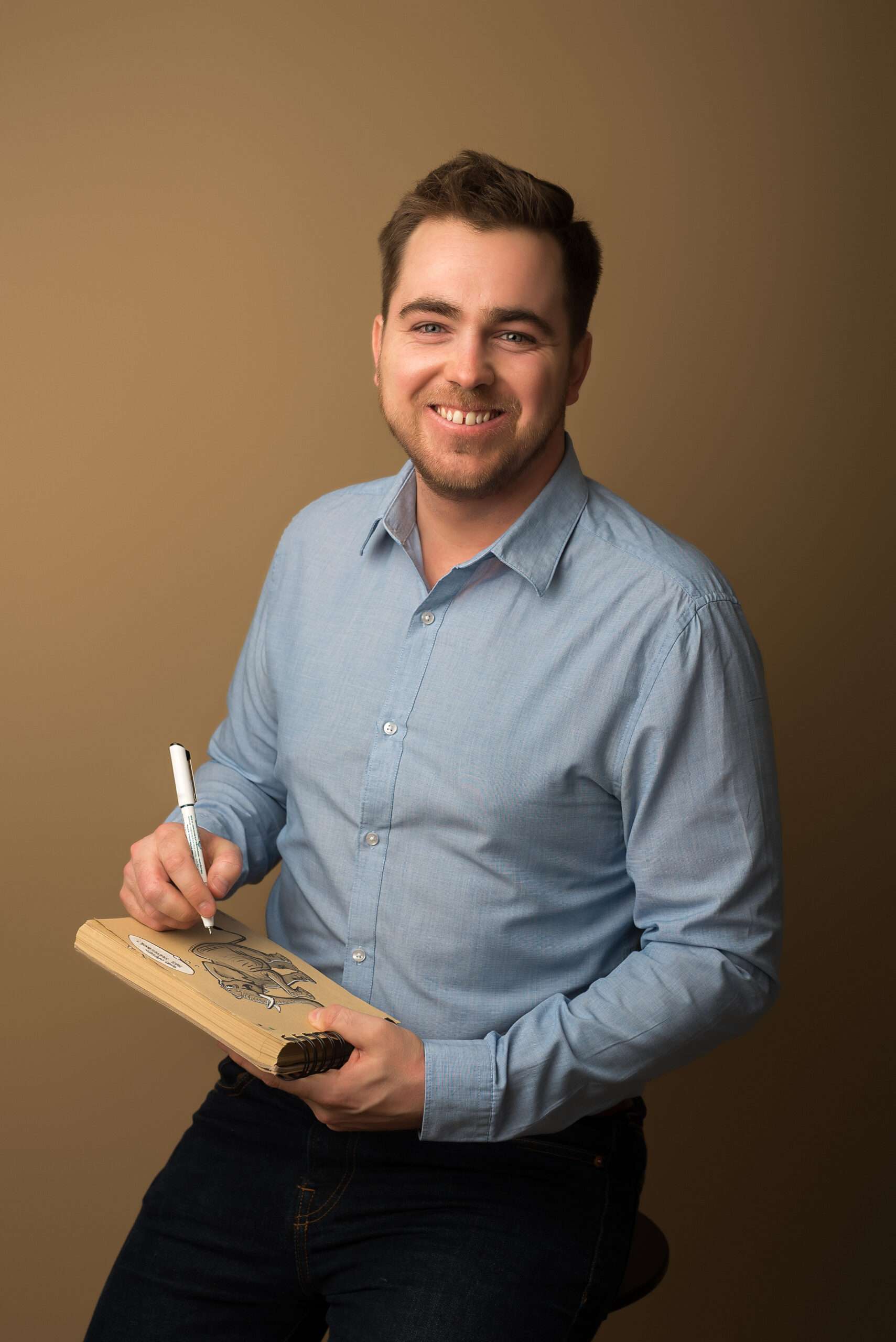
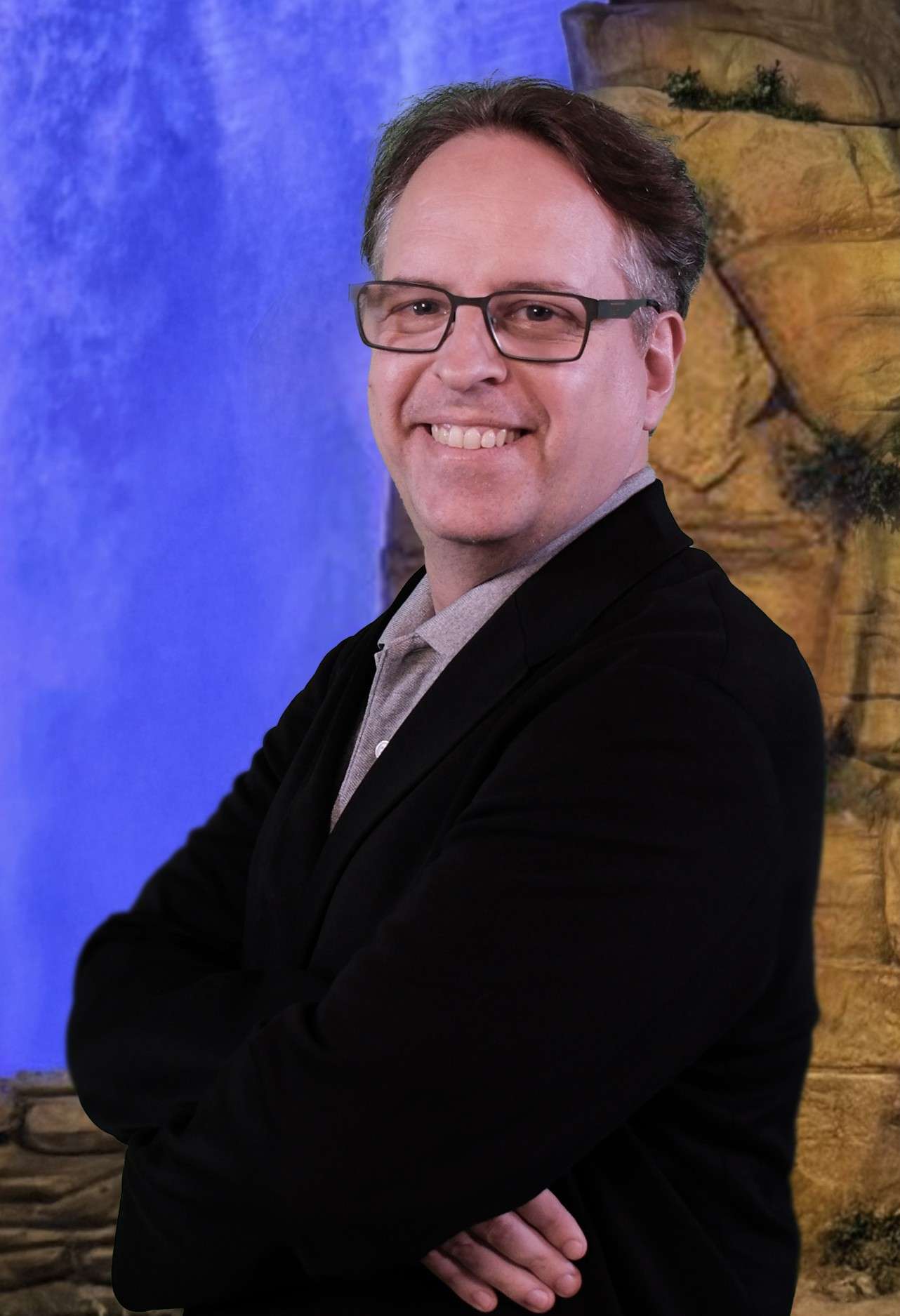
Morgan Fix
Fix’s team acts as an “internal studio” for clients – designing, coordinating, and delivering projects from concept through opening. Fix’s core team includes a vetted network of junior freelancers and senior independents across engineering, animation, fabrication, scenic and props, lighting, SFX, AV, and show control. Their portfolio includes collaborations with Puy du Fou, Disneyland Paris, La Compagnie des Alpes, and regional parks such as Nigloland, Festyland, and Gröna Lund.
We asked Fix to discuss his roots in themed entertainment, his philosophy of “design-to-budget,” and the evolving future of immersive storytelling.
How did you get involved in the industry?
I grew up next to Europa-Park, and those regular visits made it clear I belonged in this industry. With no formal path into themed entertainment, I built my own – starting in architecture, then moving through quantity surveying, interior design, and urban planning. Over time I focused more on attractions, developing a specialty in making creative ideas buildable.
What led you to start your own business?
After working abroad, I returned to Europe to start a family. I wanted to keep creating immersive experiences but also stay rooted at home, so I launched my own studio. My career allowed me to oversee every stage of a project from concept to fabrication, installation and opening. It also suited my entrepreneurial side; as a teenager I built a Halloween event from scratch that grew into a regional success. Starting my own company was the natural next step.
Where are you based and what verticals do you work in?
Our headquarters is near Strasbourg, France, but 70 percent of our work is international. I’m proud to announce an important milestone in the recent establishment of a U.S. entity in Orlando, Florida, to better serve the North American market. We also maintain strong ties in the Middle East, where we’ve delivered numerous projects. Our agile model allows us to form local teams quickly and operate efficiently anywhere in the world.
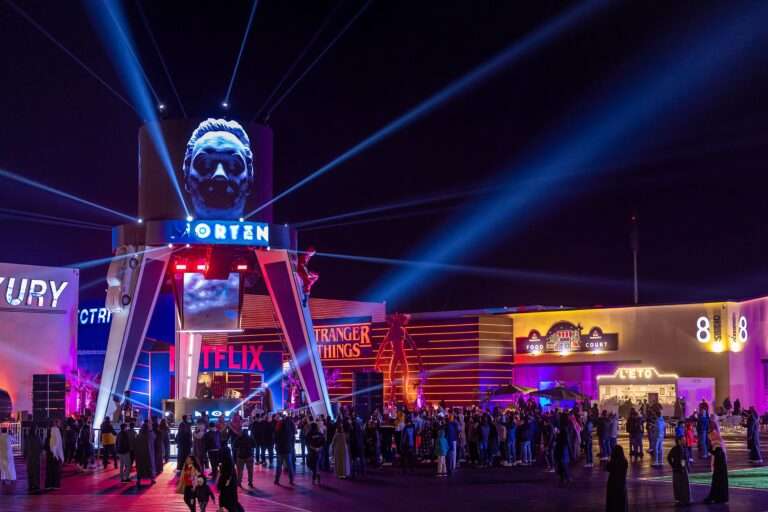
In addition to theme parks and attractions, we are working in adjacent sectors like retail, hospitality, walkthrough experiences, cultural venues and immersive brand experiences, such as Netflix Experiences for Riyadh Season and mall pop-ups featuring Sesame Street, Dora the Explorer, The Smurfs, Kung Fu Panda, Madagascar, Trolls, and PAW Patrol.
What does Morgan Fix Creative offer the industry?
We offer a complete, end-to-end creative and delivery solution for leisure destinations and attractions – what we call a three-step process of Conception, Smart Procurement, and Delivery.
We act as an internal studio for our clients. That means we take a concept and engineer it into fully executable build packages that operational and procurement teams can immediately use. Our work goes beyond design – we integrate creative, technical, and fabrication thinking from the start so that every decision aligns with how the project will actually be built.
Our Smart Procurement model allows us to divide projects into targeted tender lots and manage them through hands-on art direction on site. This keeps creative fidelity intact and avoids costly scope creep that can happen when generalist contractors are left to interpret specialized themed work. Because we manage the process like an in-house team, we’ve reduced direct and indirect costs by up to 60 percent on recent projects, which can then be reinvested into higher- quality scenic, lighting, and guest-facing elements.
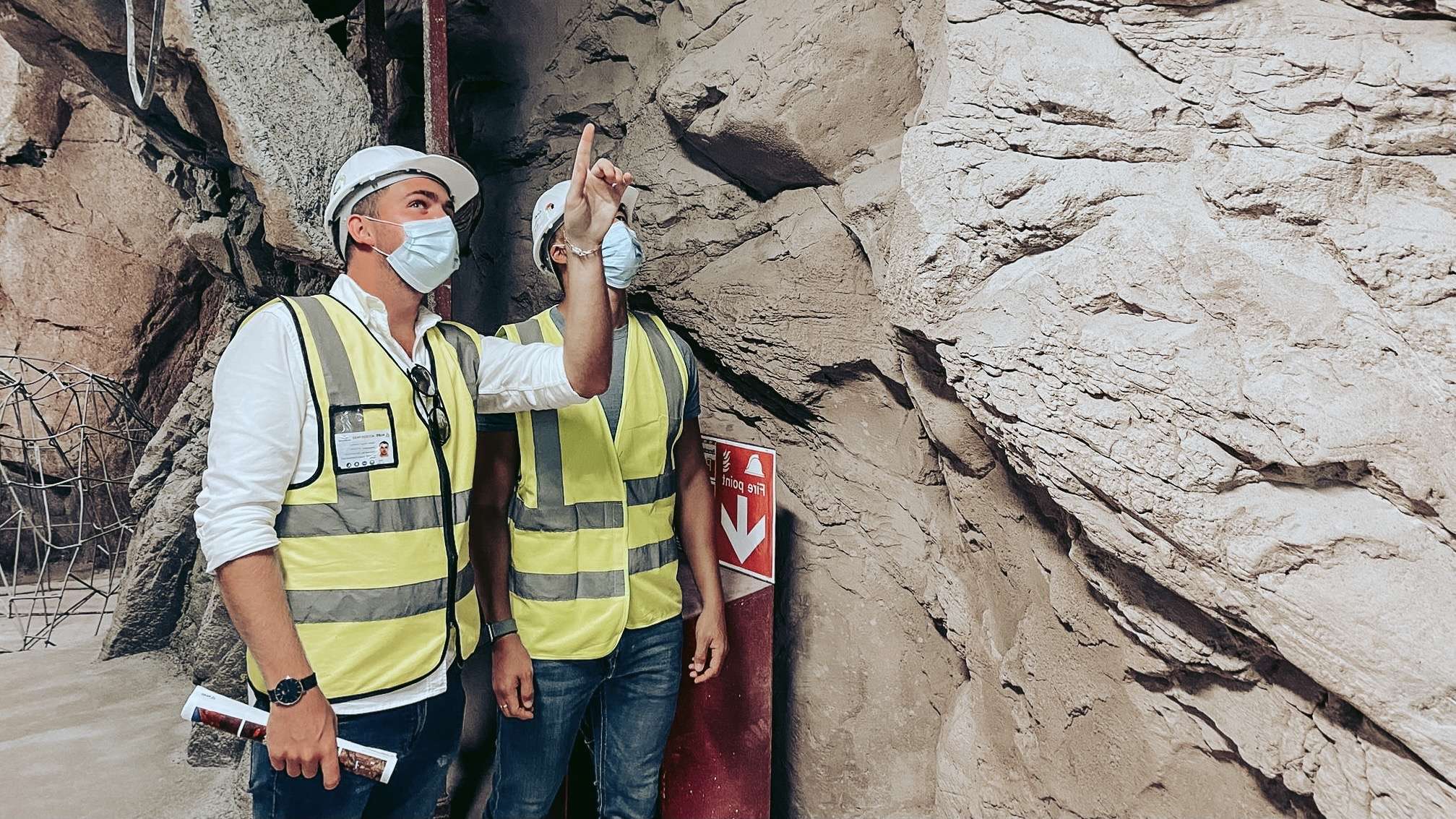
Morgan Fix leads a walk through at a job site, looking at the details
Our services are flexible, from concept-only design to full turnkey delivery, but every version shares the same goal: to blend artistry and efficiency so that ideas become immersive experiences guests can truly step into.
What’s your design philosophy?
Our philosophy is “story you can touch.” We focus on authenticity in materials, ingenuity over spending, and efficiency through modeling. Everything is coordinated in 3D from the start so creative, engineering, and procurement teams work from one source. The goal is to make inspiring ideas executable and financially sustainable.
How does being in Europe shape your philosophy?
For starters, my Alsatian roots (a border region shaped by both French and German histories) fuels my creativity and also shaped my discipline and rigor. Additionally, my experiences at theme parks around the EMEA region have provided the foundation of our design philosophy and operational discipline, instilling three core principles in Morgan Fix Creative:
Authenticity and human scale: European parks often excel at honoring human scale, heritage and proportion. The deep respect for craft ensures the final product feels timeless, not synthetic.
Respectfor contextand constraints:I have learned to treat context and constraints as creative assets, not burdens.
For example, if a fire door must be visible, we integrate it beautifully rather than hiding it poorly. We always seek out solutions that elevate design while maintaining functionality.
Sustainable and efficient craftsmanship: Europe has been a leader in promoting sustainability, which often means collaborating with local artisans and studios whenever possible to reduce both cost and carbon footprint. In turn, this offers long-term value and operational savings for the park.
How do you approach partnerships?
We build agile, project-specific teams instead of large, fixed alliances. Each collaborator is chosen for their relevance to the brief. This approach cuts overhead, improves transparency, and ensures that creative decisions stay close to the work. Whether it’s lighting, show control, or scenic fabrication, every partner directly serves the project’s needs.
Where do you think themed entertainment is headed?
The desire for immersive environments is spreading beyond parks into retail, hospitality, and museums. The best of these experiences blend play, learning, and belonging into a single continuum.
At the same time, the industry is maturing, which tends to favor authenticity, promote operational integrity, and incentivize smarter use of technology. We’ll see more original IPs, modular scenic design, and systems built for longevity rather than short-term spectacle.
What sets Morgan Fix Creative apart?
We combine creative leadership with pragmatism and financial accountability. By grounding design in accurate site data and operational insight, we prevent costly surprises and deliver reliable, high-quality results. Our understanding of real-world operations allows us to secure a realistic vision early, align it with procurement, and stay through opening to ensure the design is well executed. •
Designing the Valkyries’ realm at Festyland
Morgan Fix Creative’s recent work for Festyland, a family park in Normandy, France, captures the essence of the studio’s “internal creative and delivery” philosophy. The project, developed in collaboration with Vekoma, centers on a new family coaster inspired by a historic female figure from Norse mythology.
While Vekoma provided the coaster layout, Morgan Fix Creative engineered everything around it, building the world that guests move through. This included designing the building for optimal guest flow and safety, planning queue and station capacities, coordinating technical systems, and shaping the full story environment within the constraints of the track footprint and French regulatory codes.
According to Fix, his team treated the project as a fully integrated guest experience rather than a collection of scenic elements. Every decision was guided by narrative and operational efficiency, ensuring that story, structure, and throughput worked together seamlessly. The result invites guests to become “Guardians of Memories,” chosen to revive a forgotten realm of the Valkyries.
The Festyland project exemplifies the studio’s larger approach: acting as the park’s in-house creative department to deliver a narrative-driven experience that’s engaging for guests, financially responsible and operationally sound.
Air Cruise The Ride, Brogent’s 8K LED dome, redefines the flying theater experience
interview by Becci Knowles
A new chapter in immersive ride technology has opened at Huis Ten Bosch Theme Park in Nagasaki. On September 12, the park debuted Air Cruise The Ride, a state-of-the- art flying theater designed and delivered by Brogent. The attraction marks a major step forward for Japan’s themed entertainment market and showcases the company’s ongoing innovation in motion simulation and visual technology.
Stefan Rothaug, Director of Sales & Marketing at Brogent, discusses the technological milestone of the new flying theater at Huis Ten Bosch. The project is the culmination of years of R&D in LED integration, setting a new benchmark for flying theater technology.
Headquartered in Kaohsiung, Taiwan, Brogent is recognized worldwide for developing cutting-edge simulation systems that blend creativity and engineering. The company’s expertise spans software and hardware R&D, manufacturing, and full turnkey attraction delivery—from concept to installation. Its team includes experienced designers, engineers, and filmmakers who share a goal of transforming imaginative ideas into physical experiences. Brogent’s work can be seen in high-profile destinations around the world, including its well- known FlyOver attractions in Canada and the United States. The company continues to push the boundaries of immersive media and ride design, adapting its proprietary simulation systems to a wide range of markets and creative concepts.
Air Cruise The Ride is located in Huis Ten Bosch’s Attraction Town area and features Japan’s first 8K LED dome screen, offering guests a seamless, high-definition journey through the skies. InPark contributor Becci Knowles spoke with Brogent’s Director of Sales & Marketing, Stefan Rothaug, about this technological milestone, the shift from projection to LED, and what it means for the future of immersive entertainment. Air Cruise The Ride is the first flying theater with an 8K LED dome screen in Japan.
Can you walk us through this installation?
Air Cruise The Ride is a true milestone as it marks the first time an 8K LED dome has been used as the main screen in a flying theater in Japan. Traditionally, these attractions have relied on projection systems, which have certain limitations in brightness, contrast, and image alignment. With the move to an 8K LED dome, we can now deliver visuals with exceptional clarity, vibrant colors, and deep contrast, creating a more lifelike and immersive experience than ever before.
For Brogent, this project is the culmination of years of R&D in LED integration. We developed patented solutions for video compression and dome structure design that enable seamless image delivery across a curved LED surface. This achievement is not only a technological breakthrough but also demonstrates that LED can serve as a viable and scalable solution for large-scale attractions.
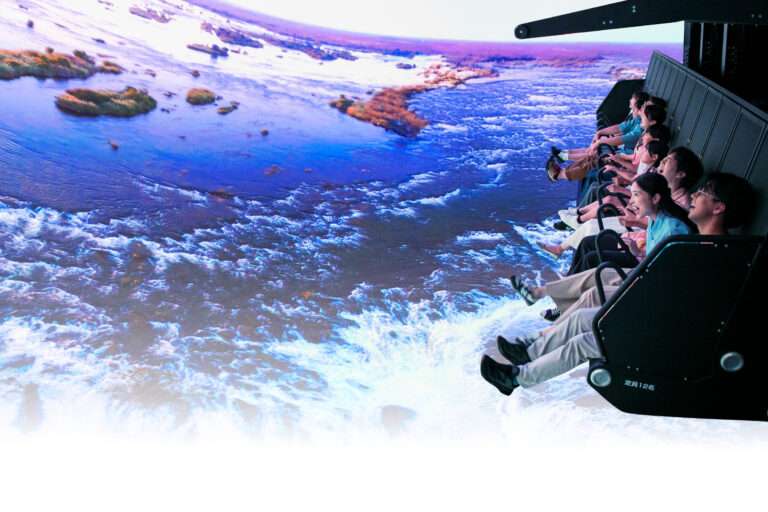
The flying theater’s motion platform positions guests in front of the massive 8K LED dome screen. The move to LED technology provides higher brightness and superior contrast, making the visuals vivid and lifelike for audiences.
For the industry, this installation sets a new benchmark. It shows how flying theater technology is continually evolving to deliver higher-quality visuals, lower maintenance, and greater long-term sustainability. It also opens the door to new creative possibilities, empowering parks to design more dynamic, visually stunning, and emotionally engaging experiences.
How did you work with the park to integrate Air Cruise The Ride into Huis Ten Bosch’s creative vision?
From the beginning, Huis Ten Bosch made it clear that their goal was not simply to install new technology, but to create an experience that seamlessly blended with the park’s unique identity: its European townscape, seasonal beauty, and reputation for spectacular entertainment. We worked hand in hand with their team to ensure that Air Cruise The Ride would feel like a natural extension of this vision. By combining our cutting-edge LED dome and flying theater technology with their focus on storytelling, we were able to deliver an attraction that enhances the park’s charm while introducing an entirely new dimension of thrill and immersion.
What are the main advantages of moving to LED for flying theaters?
Switching from projection to LED brings dramatic improvements in image quality and guest experience. LED provides higher brightness, superior contrast, and richer color saturation, making visuals vivid and lifelike. Guests will immediately notice sharper details and deeper blacks across the dome.
Because each pixel can be precisely controlled, content aligns perfectly with the dome’s curved geometry. This precision enhances motion and depth, synchronizing seamlessly with the ride’s movements to draw audiences into the story. The result is a realistic, dynamic, and unforgettable experience.
What were the biggest technical challenges your team faced, and how did you overcome them?
The biggest challenge was integrating LED dome control technology into the flying theater system. Unlike standard LED applications, this required perfect synchronization between hardware, software, and content to ensure a smooth, immersive experience.
We achieved this through close collaboration with our partners and by leveraging our patented video compression technology. Traditional fisheye lens systems require a great amount of bandwidth and resources, but our system intelligently delivers only necessary data, improving efficiency and reducing costs.
The interior of the Air Cruise The Ride flying theater shows the expansive 8K LED dome screen, which offers guests exceptional clarity, vibrant colors, and deep contrast for a more lifelike experience than traditional projection systems.
On the hardware side, our patented dome structure ensures seamless panel alignment without visible joins. These combined innovations – compression algorithms, structural design, and system integration – allowed us to overcome the limits of conventional LED domes. The Huis Ten Bosch project represents the first large-scale application of our integrated LED dome in a flying theater environment.
What do operators need to consider before adopting LED in a dome?
Operators should understand both the initial investment and the long-term advantages. While LED requires higher upfront costs, it offers durability, lower maintenance, and a longer lifespan than projector bulbs – reducing operational costs and downtime. LED also delivers consistently superior visuals that can enhance guest satisfaction, potentially driving repeat visitation. With precise pixel-level control, operators can also easily adapt visuals for different shows without major hardware changes.
Can you give more details about the sustainability and maintenance benefits?
Projectors require frequent lamp or laser replacements and recalibration, increasing cost, downtime, and waste. LEDs, by contrast, are more durable and energy- efficient, maintaining brightness and color over a longer lifespan. They also eliminate issues like edge blending or misalignment, reducing technical intervention. LEDs consume less energy, making them a cost-effective and environmentally responsible solution.
Do you see LED technology becoming the new standard for flying theaters worldwide, or is it best suited to certain projects?
Air Cruise The Ride showcases LED’s potential for unmatched visual quality and immersion. While not every project requires LED, it’s ideal for large-scale, high-impact attractions where brightness and clarity are critical.
We believe LED will increasingly become a preferred solution as costs decrease and technology advances. Its pixel-level control and seamless integration give designers unprecedented creative freedom. While projection will still have its place, LED is rapidly becoming the standard for projects focused on immersive storytelling.
What’s next for Brogent in immersive media and ride technology?
Looking ahead, we’re expanding LED applications into more media-based attractions, combining technology with original IPs such as Attack on Titan, Ghost Chaser, and Godzilla. This strategy aligns with the global rise of anime and the growing demand for IP-driven experiences, offering operators world- class, content-rich attractions.
We’re also introducing new ride formats for a variety of applications. The v-Ride Explorer PLUS features a 360° rotating platform and panoramic screen for high-intensity scenarios, while the o-Ride E is a compact flying theater designed for smaller venues, offering flexibility and fast installation. •
Smart Monkeys and the Smithsonian re-invent lighting control
LiCA quickly grew into something that can be generalized to the wider museum community, and the source code is available on request
by Judith Rubin
“When multiple systems become impractical to maintain, LiCA can step in as the big overseer,” said Alexander Cooper, Head of Exhibit Technology for the National Portrait Gallery in Washington, D.C.
Cooper led the internal team that set out to design a new, comprehensive system to unify architectural lighting control across diverse venues. What emerged was LiCA – the Smithsonian’s Lighting Control Application – a bespoke software system, co-developed in partnership with the Smithsonian Institution by Smart Monkeys Inc. (SMI). Its rollout on the Smithsonian museum campus has begun, and this breakthrough platform has the potential to transform control for museums and other venues throughout the industry.
The LiCA system was first delivered in 2023 to the Donald W. Reynolds Center for American Art and Portraiture and then in 2024 to the Renwick Gallery, with plans for the National Postal Museum next. Over the months following the initial implementation, SMI and Smithsonian staff conducted extensive testing. About 20 internal testers across different staff roles were given access, ensuring the system worked equally well for technicians, curators, and administrative operators. Feedback loops helped refine features in real time. That iterative process has become central to LiCA’s identity.
“We knew from the start this was going to evolve,” said Cooper. “What we didn’t expect was how quickly it would grow into something that could be generalized to the wider museum community.”
The LiCA source code is available upon request, and that availability promises to influence a much wider community of operators and integrators. LiCA’s granularity, user-first interface, and IT-friendly architecture make it adaptable not only for museums but also with potential application for theme parks, science centers, heritage sites, and beyond.
A museum’s challenge
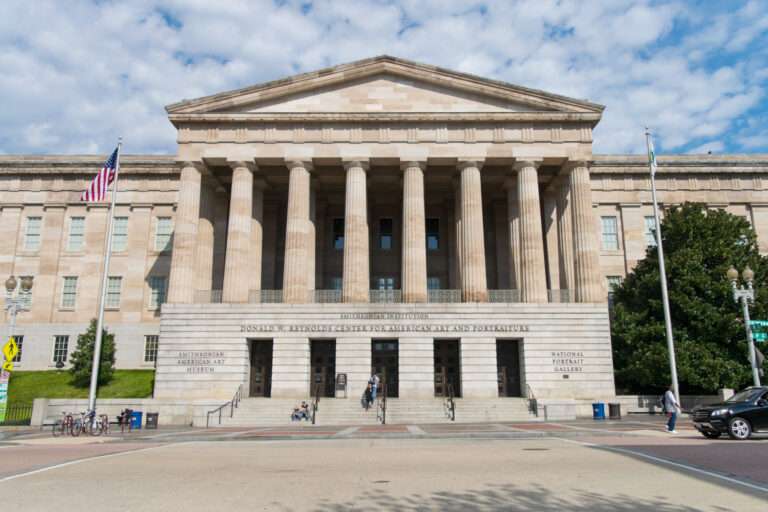
Lighting systems in the National Portrait Gallery and Smithsonian American Art Museum have to be sensitive to the effect of lighting on priceless pieces of art. LiCA allows exhibit directors to implement brightness limits to protect art. Credit: Russ, CC BY 2.0 https://creativecommons.org/licenses/by/2.0, via Wikimedia Commons
As lighting and media fixtures have rapidly grown ever more intelligent and complex, finding the right infrastructure to control them in unique and specialized environments has been a challenge. Smithsonian museums occupy some of the nation’s most iconic buildings. Some are very new and some quite old, and all are held to high standards in terms of educational mission, guest experience, operational efficiency, presentation and conservation.
The spark for creating LiCA began during a 2017 renovation at The Reynolds Center. This 1836 structure, which originally housed the US Patent Office, is home to the National Portrait Gallery and the Smithsonian American Art Museum. The building has walls several feet thick, making it a poor candidatefor retrofit wiring. As museum staff sought to implement wireless intelligent fixtures, they faced the challenge of how to manage nearly 15,000 endpoints of varying protocols, from cutting-edge Bluetooth nodes to more traditional DMX-controlled devices.
“We had to go far into the bleeding edge of wireless lighting to get the type of granular control that we needed, and there weren’t really any control systems on the market at that time that could accommodate the quantity of these intelligent fixtures and the broad range we use,” said Cooper. “So we embarked on a process to develop our own control solution.”
Cooper has been with the Smithsonian for nearly 25 years. His background combines lighting design with daily museum operations. “We needed and wanted a single system with one steering wheel,” he said. “Our group was steeped in all the different control protocols and types, and familiar with the architectural concepts that underpin control systems. And we knew that this was a system that would serve many different types of users. We just had to dream up a way that we could, under the hood, do all of these very complex things and then focus on the look and feel of what it’s like in the cockpit.”
The stakes went beyond exhibition aesthetics. Smithsonian venues double as rental halls for events, with rapid turnovers and varying requirements. Conservation teams needed precise control over light exposure for sensitive artifacts. Operators wanted simple, reliable access to set states without deep technical knowledge. The Smithsonian’s own IT department required enterprise-level security and compliance. No single commercial solution could check all those boxes. It became clear that a bespoke system was needed.
Internal + external team
Alexander Cooper, Head of Exhibit Technology, National Portrait GalleryMitchell Schuh, Chief Technology Officer, Smart Monkeys, Inc.David Rouchet, Director of Product Development, Smart Monkeys, Inc.Zach Strauss, Platform Specialist, Smart Monkeys, Inc.Ryan Moore, Front End Developer, Smart Monkeys, Inc.Zach Thomson UX/UI, Smart Monkeys, Inc.
Cooper and his colleagues assembled a detailed proposal, outlining both architectural and operational requirements. The request went out as a public request for proposal (RFP). In 2020, Smart Monkeys Inc. was awarded the contract.
SMI was an ideal match, as a provider that has brought significant innovation in control systems design to the worldwide attractions industry, with a portfolio including many projects of large scope. Founded in 2008, the company is probably best known for ISAAC, a platform used widely in theme parks, museums, airports and a range of other venues to centralize media and show control. The LiCA project represented a new kind of partnership for them, and they welcomed the opportunity to apply their expertise to a single client’s specific needs.
“It was one of the first times we were asked to develop a full custom software solution for a single client,” said Zach Strauss, Platform Specialist at SMI. Some of the company’s high- profile projects include Sphere, Warner Bros. World Abu Dhabi, The Shed and the Academy Museum of Motion Pictures. SMI control systems run complex media environments at a growing number of airports including LAX, Newark and Houston. “We were able to take lessons from ISAAC and show control, but apply them in a completely new, tailored way, specific to the Smithsonian’s needs,” said Strauss.
“A museum is a lot like a rental hall in a convention center,” said Cooper. “It has very specific needs in the artifact spaces, but much of it is rented out for traveling exhibits, special events, auditoriums, all kinds of different spaces. The more complex it gets, the simpler the interface would need to be. We wanted LiCA to be like this Swiss Army chainsaw of protocols that could just talk to everything, but be so easy that somebody who is a program manager or special events person can use it. We didn’t want it to be tied to wall stations. We wanted it to be easy to implement and available to all Smithsonian users, so we thought about cloud-based hosting. And knowing that other Smithsonian buildings faced the same problems, we were thinking campus wide.”
The Smithsonian’s LiCA Project Team represents a cross-section of internal expertise: Alexander Cooper (Head of Exhibit Technology, National Portrait Gallery), Scott Rosenfeld (Lighting Designer Smithsonian American Art Museum), Kyle Andreas (Lighting Projects Manager) and Grant Lazer (Exhibit IT Programming Specialist).
The SMI external team for LiCA includes Mitchell Schuh (Chief Technology Officer), Zach Strauss (Platform Specialist), David Rouchet (Director of Product Development), Ryan Moore (Front End Developer) and Zach Thomson (UX/UI).
Granularity and flexibility
An intuitive user interface allows LiCA users granular control over lighting systems throughout the museum campus. Credit: Smithsonian Institution
At the heart of LiCA is the concept of granularity – the ability to zoom from macro to micro control within the same interface.
“Say you have 120,000 square feet of exhibit space, and you want to look at the entire floor as a whole, to have everything go to the opening state,” said Cooper. “A LiCA user should be able to do that very simply. If a more advanced user wants to get very granular and zoom in, it’s similar to a map interface that lets you zoom in all the way down to the level of a tree or a pebble. You can do that – for instance, if you want a single fixture or a single display device to change its intensity or its color. Many control systems require you to commit to one level of granularity. We wanted a system that wouldn’t require that.”
From a technical standpoint, LiCA’s strength is its ability to talk to multiple protocols – Bluetooth Low Energy, DMX, Modbus, and others – while presenting the user with a unified, map-based interface. Strauss said: “In most control systems, you’re dealing with device IDs and command lines. With LiCA, you’re looking at a floorplan. You click on a gallery, adjust a slider, and the system handles the rest.”
A Smithsonian training video illustrates this in action. In one example, a staff member overrides a gallery setting directly on the map. Within seconds, the room shifts, and the system logs the change. Later, it resets automatically to baseline. This kind of usability is what makes LiCA adaptable to diverse environments.
Crucially, LiCA is not intended to replace every other system. “You don’t have to throw the baby out with the bathwater,” Cooper said. “If an existing venue doesn’t need it, we don’t impose it. But when multiple systems become impractical to maintain, LiCA can step in as the big overseer.”
Bridging IT and creative
One of LiCA’s significant characteristics is the ability to bridge the worlds of enterprise IT and creative operations. The system runs virtually from the Smithsonian’s data center, hosted on redundant servers in full compliance with security standards. Updates and patches are handled like any other IT-managed application, avoiding the pitfalls of proprietary hardware boxes that fall out of date. For operators, this translates into reliability, and for IT staff, it means integration into familiar workflows.
LiCA ties directly into Smithsonian’s central authentication system, so user permissions are managed the same way as email accounts or network logins. This ensures security while reducing friction between departments. “It’s highly fault-tolerant,” Cooper explained. “We can lose entire servers and the system keeps running.” There is also the purity of only dealing with the user interface and not the physical platform. “If you have enterprise hardware, you can virtualize LiCA and never really see it or touch it,” said Cooper. “It’s all in the data center.”
That doesn’t rule out smaller and more basic configurations, as Cooper pointed out. “Clients who don’t have that data center infrastructure can implement LiCA on a PC. In any case, it’s very lightweight. You’re not required to buy some box that you can never open or touch or patch as so many other control systems require.”
How LiCA is being used now
Lighting throughout galleries can be adjusted easily with the LiCA system developed by Smart Monkeys. Credit: Smithsonian Institution
LiCA was designed not just for experts but for everyone who needs to touch the system. That philosophy is most evident in its interface. Users interact with a map of their building, selecting zones or galleries and applying changes without worrying about underlying protocols.
Permissions are tailored to job roles. A lighting designer may have access to advanced fixture programming, while a janitorial staff member can simply set a gallery to “work lights” for two hours. When their shift ends, the system resets automatically.
This user-first ethos extends to design. Cooper described how LiCA exchanges data with CAD software, eliminating the need to duplicate layouts – and how the simple interface streamlines both access and process. “It lets us design in real space. I can walk into a room with a tablet, make adjustments, and see the results instantly. I can sit down from anywhere in the world, log in, see what is happening in my museum, look at live feeds from video, and make changes to museum states. I can look at detailed data that tells me what the building has been doing and how people are moving around it. It’s all right there in front of me.”
For conservation staff, LiCA offers a vital tool. By connecting sensor data to lighting attributes, the system can adapt dynamically, lowering light levels when galleries are empty, adjusting for sunlight during the day, and ultimately extending artifact life spans. As implemented at the Smithsonian, “Artifacts in those rooms now experience about 25 percent less exposure than before,” Cooper said.
Also important is the ability to change things on the fly. Whether adapting to a visiting exhibition, a rental event, or an unexpected technical hiccup, operators can make immediate changes without disruption.
A tool for the industry
LiCA was developed with the intent to share its source code openly – to allow museums, integrators, and cultural venues worldwide to adopt and adapt it to their own needs.
“The idea is not to give everyone a finished turnkey system,” Cooper said. “It’s more like a blueprint. You’ll still need an integrator to implement it properly. But it means the industry can build on a shared foundation. I think anyone in the museum world will find LiCA interesting because it is built with museum users in mind. More broadly, anybody who faces a challenge of integrating dissimilar things in an architectural space – anything from a theater to a hotel – would find it an interesting management tool. It’s an overseer of other control systems that simplifies user access; it puts the user first and adds simplicity to the control topology.”
For smaller institutions, it could mean access to enterprise- level control without prohibitive costs. For integrators, it can be a basis for creating tailored solutions. For the attractions sector as a whole, it is a valuable contribution to the technology ecosystem.
Traveling exhibitions could leverage LiCA’s cloud-based flexibility. Heritage sites and science centers could use its granularity to balance conservation with public access. Theme parks and multi-building attractions could adapt its IT- friendly design to centralize operations across large campuses.
Going bespoke
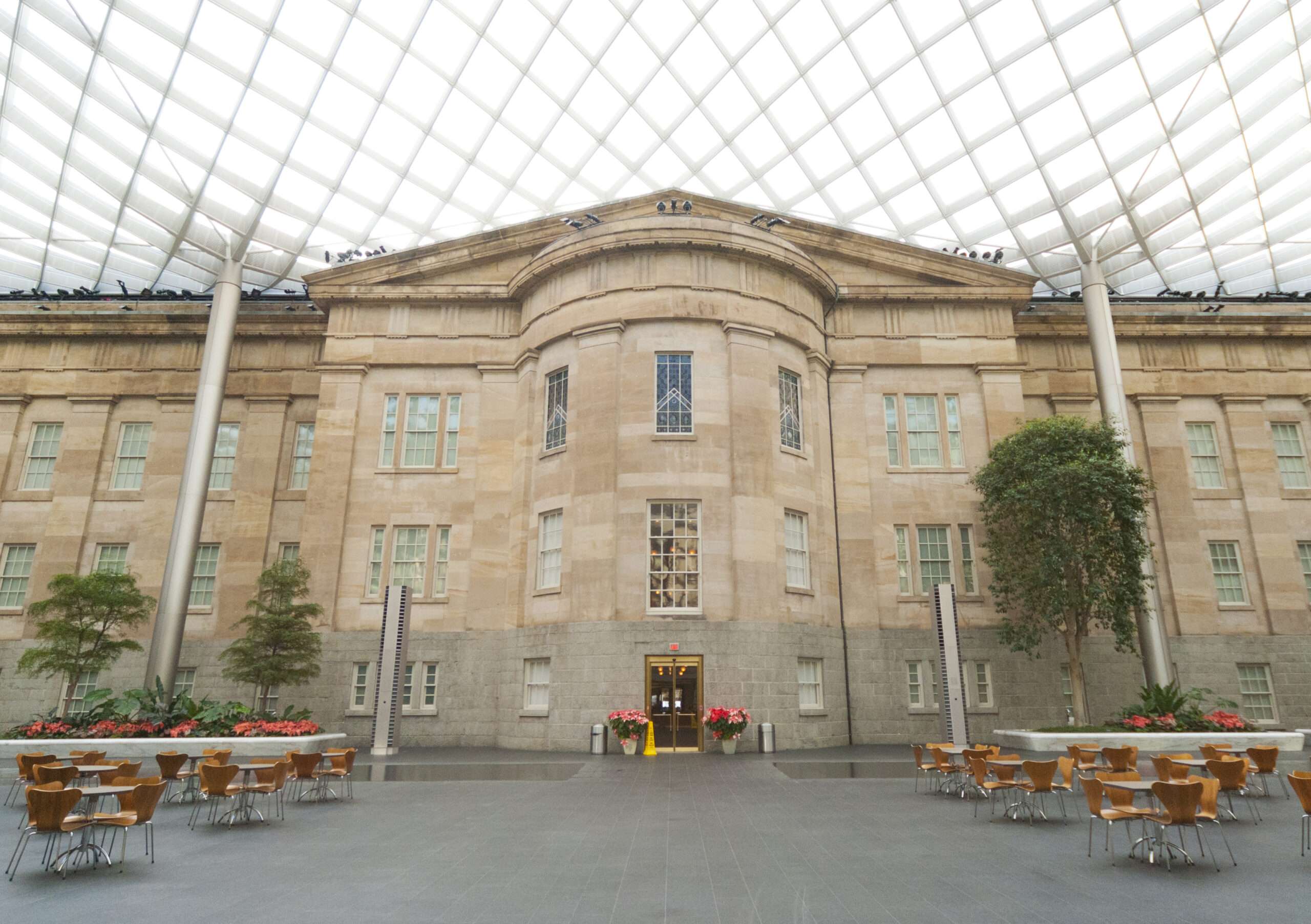
The iconic covered courtyard area of the Smithsonian’s American Art Museum and National Portrait Gallery. Credit: Zack Frank,
Smithsonian American Art Museum, CC BY-SA 3.0 , via Wikimedia Commons
For SMI, which at this writing is still on the LiCA team as the system continues to be refined, the project marks a turning point. “Most of the stories about us in recent years have focused on ISAAC,” said David Rouchet. “LiCA is different – it is fully custom software, designed for one client but with lessons that can be generalized.”
“It paved the way for us internally,” said Strauss. “We learned how to apply our processes to bespoke software and realized there’s a real demand for it. It’s not just about hardware anymore. It’s about making systems that people can actually use.”
This kind of specialized product development offers a way to bring owners and operators closer to their spaces. As co-founder Stephan Villet observed, “There are still times when you need something completely bespoke. It has the huge benefit to clients of engaging them more deeply in realizing their environment.”
Smart Monkeys Inc. company members will be in Orlando attending the IAAPA Expo. For more information or to set up a meeting, email [email protected]. Visit the SMI website at www.smart-monkeys.com. •
Capturing the wave: custom software at Kelly Slater’s Surf Ranch
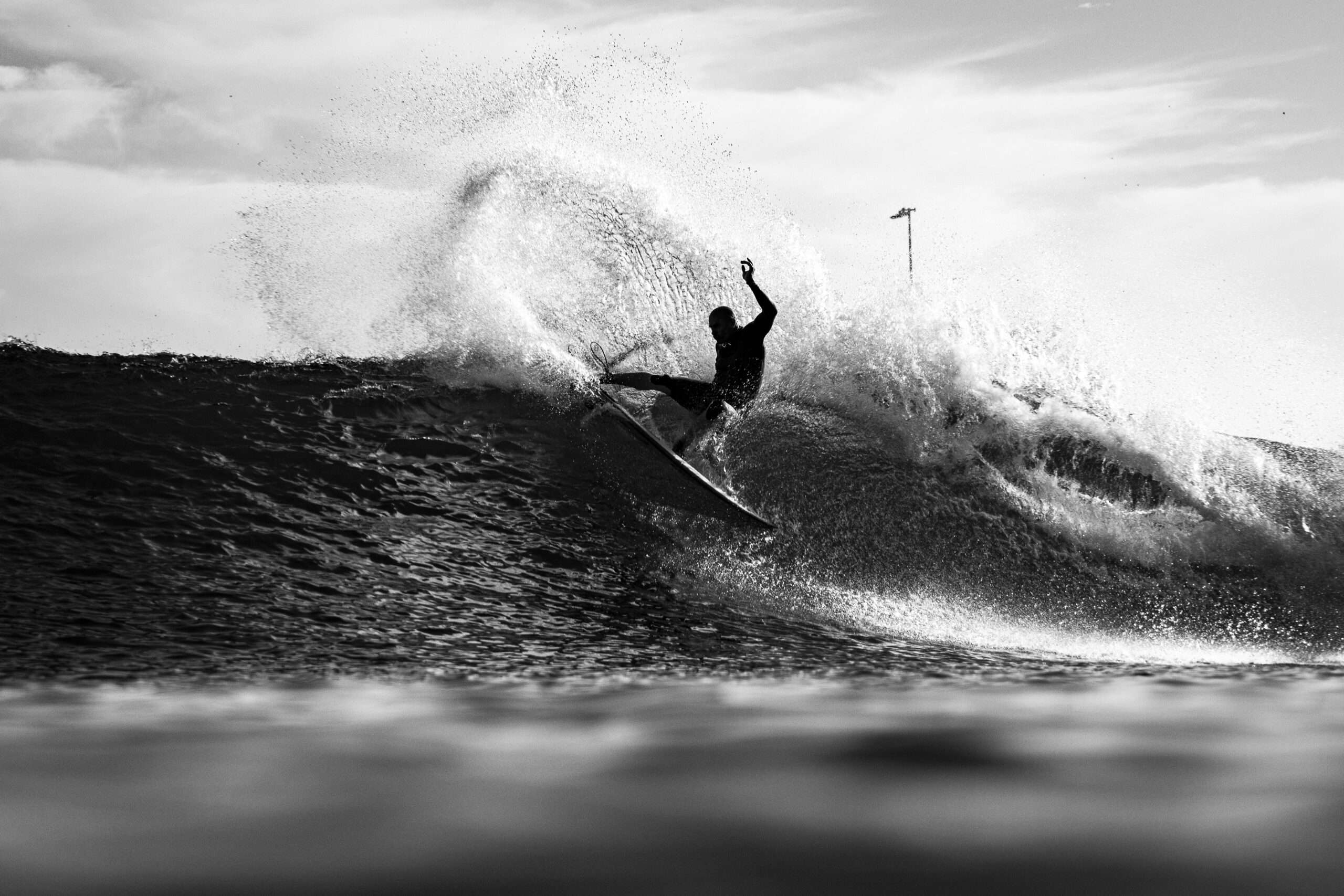
Smart Monkeys helped develop a camera capture system along the length of the wave at Kelly Slater Surf Ranch. Photo credit: Surf Ranch and Todd Glaser
At first glance, a surf company in California might seem worlds away from the Smithsonian. Yet the two projects share a crucial thread: the need for custom software to make technology an integrated part of the experience.
Kelly Slater’s Surf Ranch is a unique, branded surf hospitality venue located in California’s Central Valley. Each visit is curated: small groups of surfers are scheduled throughout the day, with every ride tracked, recorded, and analyzed. The wave is powered by a patented hydrofoil system that generates perfectly consistent swells, dialed in based on the guests’ skill levels. Between waves, guests relax and review their footage on high-definition displays. The entire site blends the precision of a high-performance sports facility with the relaxed atmosphere of a luxury retreat.
In partnership with Electrosonic, Smart Monkeys, Inc. (SMI) developed a system to control cameras along the 700-meter wave basin and deliver a seamless, digital video capture. Off-the-shelf solutions weren’t practical – the basin was too long, the wave too dynamic. Instead, SMI created a map-based interface that tells cameras where to focus as the wave moves.
Each high-speed camera ties into a synchronized control backbone. Operators can draw zones on a map, and the cameras automatically track surfers as they ride. From the control room, they can view a live map of the basin and can override any part of the sequence while the system continues recording from all angles. They can fine-tune the system easily and modify it for special situations.
The system does more than capture video. It tags surfers, organizes clips, and allows coaches to annotate frames with feedback. Guests leave not only with memories but with digital records of their progress that they can review and share. Coaches can compare sessions over time, turning a day at the Surf Ranch into a structured learning experience.
As LiCA does for the Smithsonian, the Surf Ranch system hides its technical complexity behind an intuitive interface that maximizes the engagement of operators and guests alike. “We take the technology and put a layer over it that operators can understand,” explained Mitch Schuh. “They don’t need to know camera zoom factors. They just see the map and tell it what they want.”
For SMI’s Stephan Villet, the connection is clear. “Off-the-shelf products can’t always keep up with unique challenges. Bespoke is what makes the impossible practical.”
BRC’s Christian Lachel on the USA Pavilion at Expo 2025 Osaka
interview by Martin Palicki
With 25 million visitors passing through its gates from April 13-October 13, 2025, Expo 2025 Osaka, Kansai offered some 200 national, corporate, signature and government pavilions, live entertainment, a nightly lagoon show, international cuisine and a stunning architectural structure encircling the grounds. [For more on the best of Expo 2025 Osaka, see InPark issue #106]
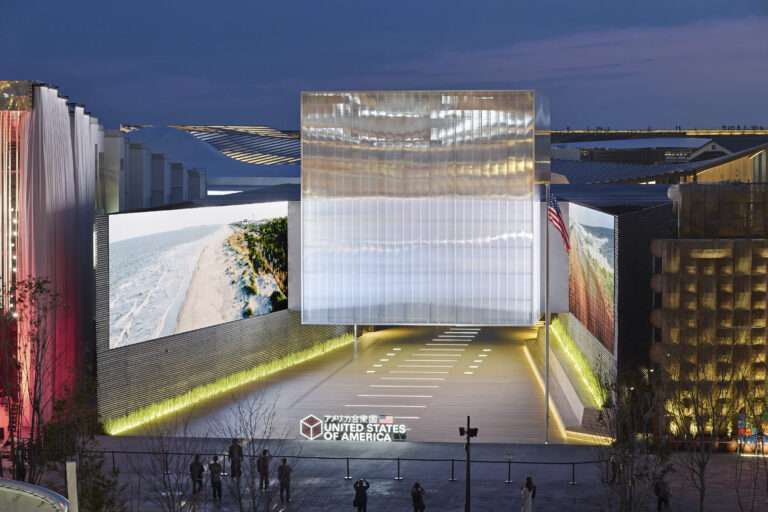
The United States pavilion quickly earned a reputation as one of the event’s most popular experiences. The long and narrow building was designed with a triangular wedge carved out of the middle, creating an entrance flanked by giant LED screens showing scenes from cities and towns across America. The pavilion included a souvenir shop, restaurant, performance stage and rest areas, but the main attraction was the nearly 25-minute tour through the pavilion.
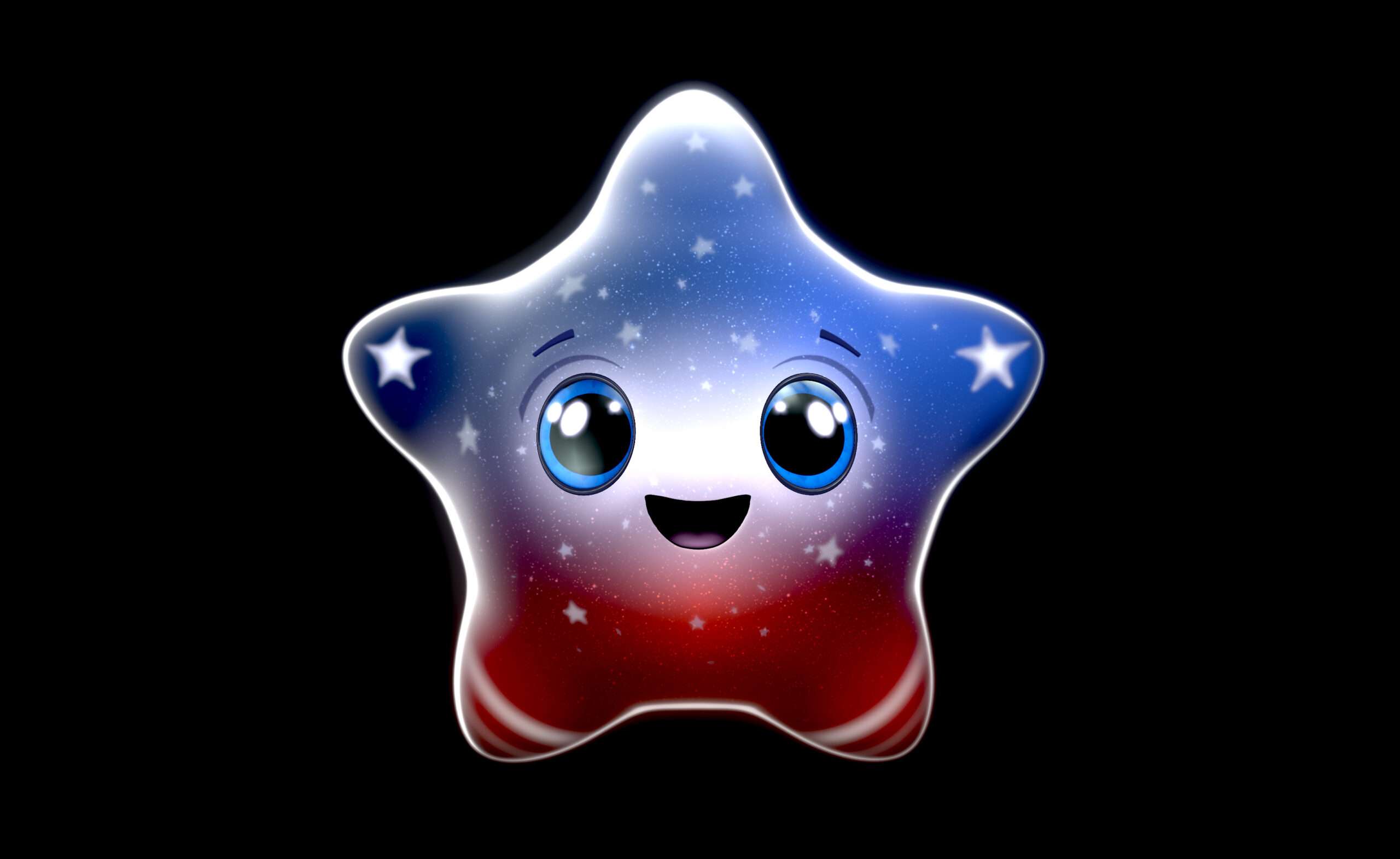
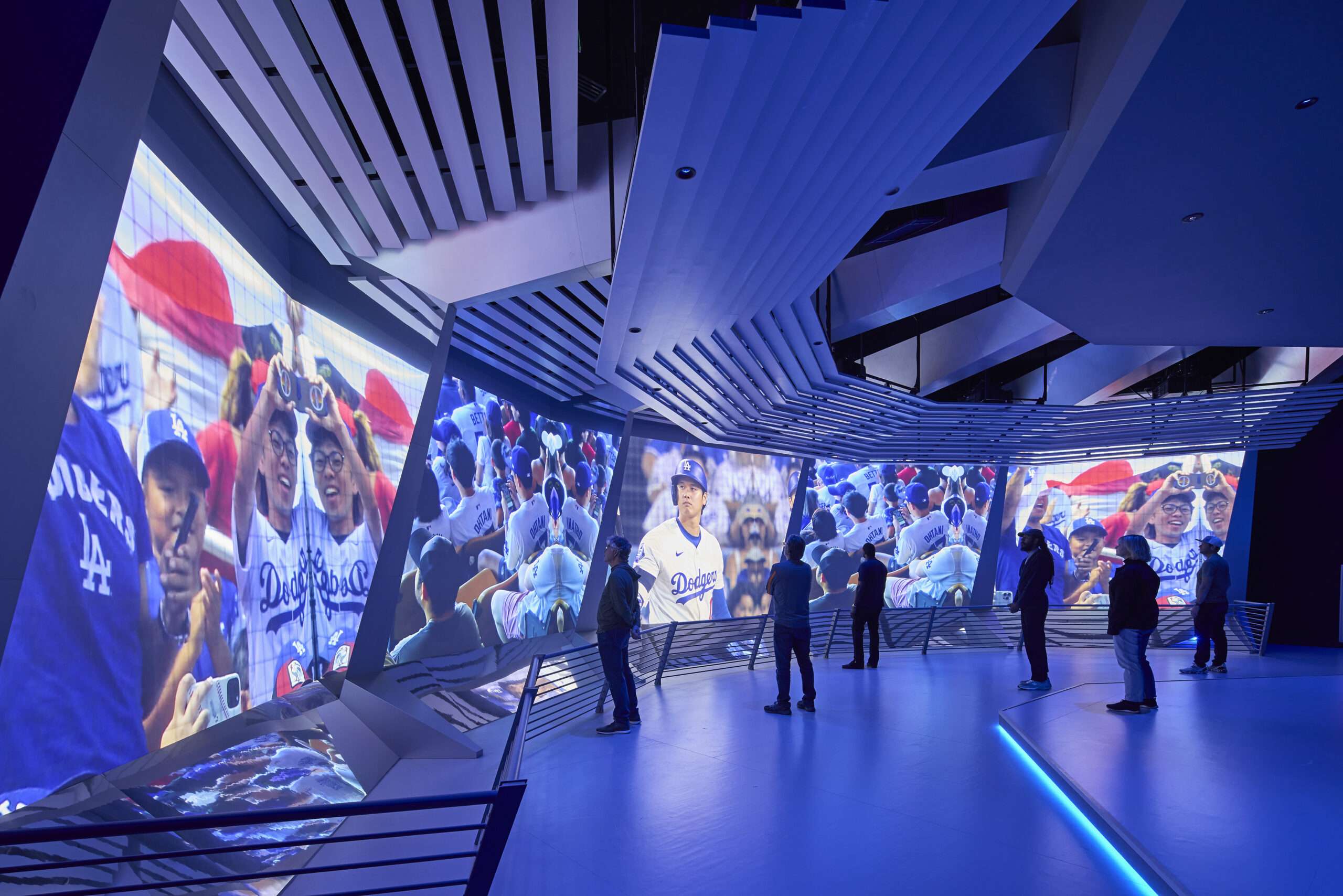
Inside, guests met Spark, the self-described Ambassador of Imagination and Professional Firecracker. The star-shaped mascot guided guests across five distinct experiences: Connecting, Innovation, Travel, Space, and Launch. The catchy theme song “Together (by Spark)” carried the message throughout the pavilion (and is available on iTunes and Spotify).
Christian Lachel, Chief Creative Officer
Working under the oversight of the U.S. Department of State, BRC Imagination Arts helped lead a creative team to develop the pavilion exhibition and branding, guided by the company’s three decades of experience creating world’s fair pavilions and a skill for blending theatrical storytelling with cultural diplomacy. Leading the project for BRC was expo fan and Chief Creative Officer Christian Lachel. He even credits his own existence to the 1893 world’s fair (the World’s Columbian Exposition) which drew both sets of his great grandparents to Chicago for opportunities associated with the expo. We asked Lachel to reflect on how the 2025 USA Pavilion came together, the role of story, music and character design in shaping the guest experience, and why expos remain salient.
How did the concept and team for the United States pavilion come together?
Expos have always been part of our DNA at BRC. We’ve designed pavilions for countries and corporations through the years, starting with Vancouver Expo 86 and participating in nearly every expo since then. And this was our fifth time working on a USA Pavilion, but because this one had congressional appropriations – meaning we didn’t have to rely solely on corporate sponsors to fund the pavilion – the process was a bit different than previous years. BRC formed a consortium with ES Global, Alchemy International and Trahan Architects to respond to the U.S. Department of State’s bid for the pavilion.
The government’s brief and overall vision called for highlighting travel and tourism, both NASA and commercial space exploration, technological innovation and cultural programs like the U.S. JET (Japan Exchange and Teaching) Program. We also knew we’d be in the “Empowering Lives” thematic section of the Osaka Expo, which framed the conceptual direction early on.
Meet Spark, the USA Pavilion’s mascot for Expo 2025 Osaka, Kansai. Courtesy of BRC and the USA Pavilion
Drawing on past experience creating pavilions for expos Japan has hosted over the decades, as well as a number of other attractions in Japan gave us a sense of cultural context. We understood early on that a strong central character, a mascot woven into the entire pavilion story, would resonate with audiences. That animated character became Spark, emblematic of the fun experience we wanted to create. We also anticipated a multigenerational audience with many older visitors who remembered Expo ’70 (also hosted in Osaka), so we wanted to lean into that nostalgia while creating something new.
How did that translate into the pavilion’s theme and messaging?
Over the years, we’ve learned several important lessons about designing for expos. First, we know that if you try to communicate too many messages, the audience tends to forget them all. One strong idea creates emotional clarity. Secondly, we believe the best pavilions celebrate the world of the audience, not just the focus country. With those guidelines in place, we quickly homed in on one clear idea: Imagine What We Can Create Together. It’s a universal theme that allowed us to bridge a wide range of content under a single message.
We also built the theme to outlast political transitions. Expos often straddle administrations, so it had to work no matter who was in office. Because the message was universal, it held steady through the entire development process.
What was BRC’s role on the project?
Our team worked closely with Trahan architects, Alchemy and the Department of State Expo unit to shape the visitor experience and flow. We developed the pavilion’s branding, messaging, storyline, scripting, mascot, and experiential design. We led media and music production, designed the guest spaces, and helped train the operations team on key storytelling moments. We also had story and design guardianship over the fabrication and fit-out work done by other partners. It was a comprehensive creative scope from blank piece of paper through opening day and beyond.
How did you work with Trahan Architects to ensure the experiences you were creating fit into the spaces they were designing?
As always, it was a very collaborative process. We had meetings where we mapped out needs such as gallery sizes, staging, circulation and VIP spaces. We then worked together to adapt those requirements to the long, narrow site. It was a bit like designing a row house in a tight urban environment: every inch mattered.
At one point Trahan suggested removing a section of the pavilion to create a symbolic, wide welcoming entrance with large canyon-like LED screens for dramatic impact. It was beautiful and meaningful, but it also introduced trade-offs, namely making spaces smaller with longer walkways between the main exhibit rooms. But we loved the idea, embraced the challenge and found solutions together.
How did you approach balancing entertaining spectacle with informational substance?
At BRC we frequently are tasked with blending educational content with entertainment, so it’s a process we are quite familiar with. One of our solutions was to develop a song that carried the message of the theme. Music is universal – it bridges language and cultural barriers. A well-crafted song can deliver a lot of emotional and narrative weight in just three and a half minutes per scene.
We worked closely with Yessian Music Global to create a tune that felt contemporary, timeless and would at the same time appeal to a primarily Japanese audience. That musical through-line became the backbone of the entire experience. Even as we tweaked specific images or content elements shifted slightly during our process, the heart of the story stayed intact. It’s been a genuine hit with visitors.
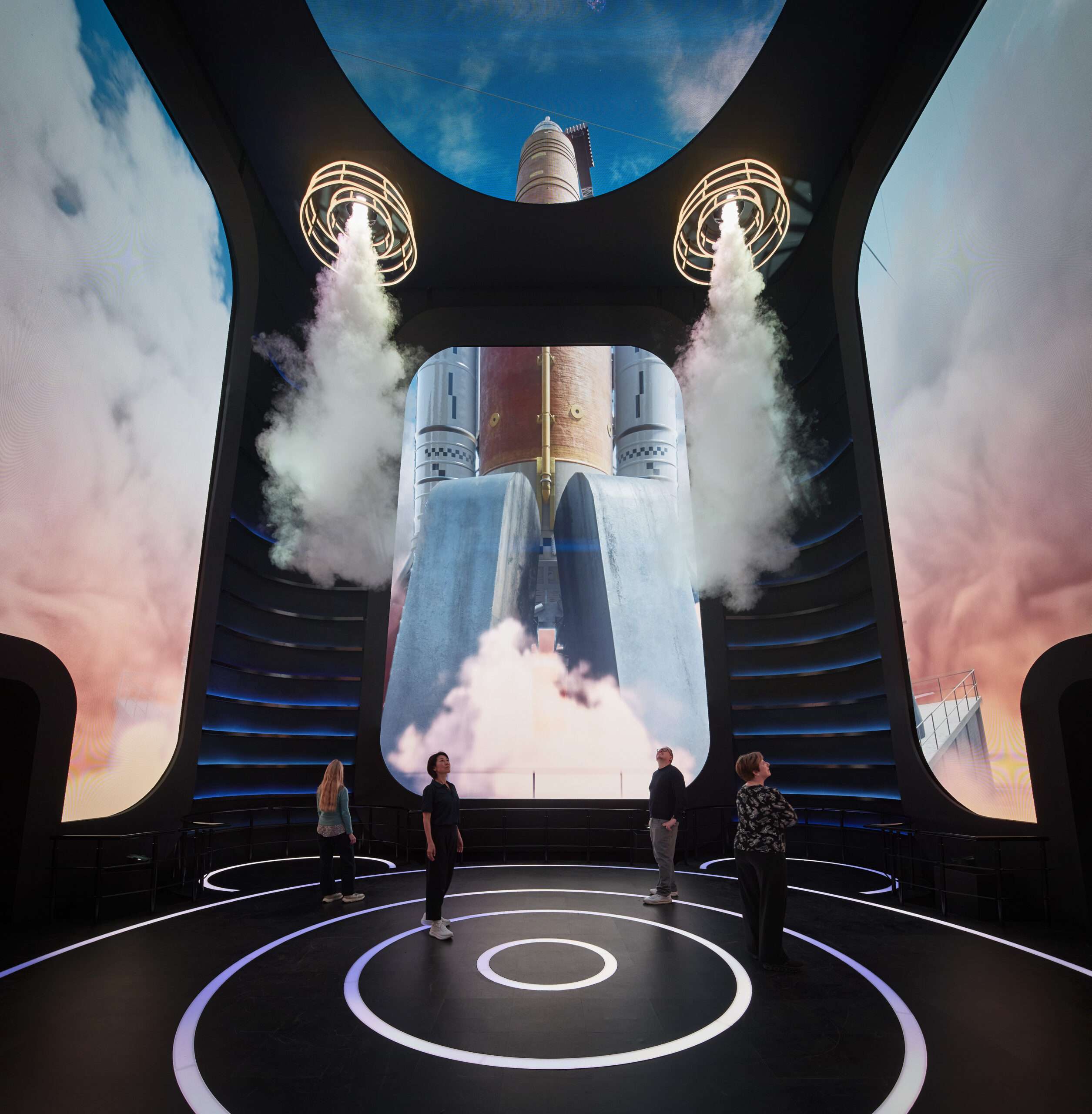
Our other secret was to create impressive “wow” moments interspersed with more informational elements. My favorite example is the immersive launch gallery. We employed the classic architectural technique of compression and release to really make a moment of awe and wonder. After guests learn about our innovative space program, guests move through a low-ceiling hallway and then suddenly enter a soaring room with 9-meter tall LED screens stretching from floor to ceiling. Boosters overhead are spitting out smoke and guests realize they are about to be part of a rocket launch.
It was the most memorable part of the pavilion for me.
I believe that’s true for a lot of people who experienced it. We outfitted one of the walls of the launch gallery with a very large mirror surface to help visually open up the space a bit more. Instagrammable moments and photo-ops are important in any attraction, and we were pleased to see that our mirrored wall was an instant selfie and social media magnet.
What stands out to you as the pavilion’s biggest success?
We hosted nearly two million visitors through the main exhibition, and the response has been overwhelmingly positive. The pavilion delivers joy and togetherness at a moment when the world really needs that. We designed something the audience loves, not just a statement about us. That’s the best measure of success.
What’s next for BRC on the expo front?
We’re already looking toward various pavilions for Expo 2027 in Serbia and Expo 2030 in Riyadh. Every expo teaches us something new, but our north star remains the same: awaken the best in people and create experiences that resonate deeply. •
How B Morrow Productions engineered a blueprint for growth
by Martin Palicki and Becci Knowles
Brian Morrow, owner of B Morrow Productions (BMP), has spent his career looking for ways to bridge creativity with practicality. Since its founding in 2018, BMP has grown from a one-person consultancy into two full studios: design and production, with more than 60 professionals working out of a 90,000 sq. ft. facility in Orlando, Florida. The BMP team, including leadership and most of the company’s talent, originated on the operator side of the industry, giving them deep insight on the importance of both exceeding guest expectations and working within operational reality. As a result, the company is recognized across the attractions industry for its ability to deliver projects that are creatively original, operationally balanced and revenue generating.
Brian Morrow
BMP’s path has been steady rather than sudden. Its growth arrives from listening to client needs, responding with scalable solutions, and structuring the company around services that complement each other. Today, BMP is a prop manufacturer, a creative design studio and seasonal event developer supporting theme parks, cruise lines, museums, zoos, aquariums, and resorts, often working alongside other design and fabrication partners.
The early days of BMP
Morrow’s career prior to BMP shaped the foundation of the company. He began in park operations, later joining Six Flags’ design team. Working for the general contractor on Disney’s Animal Kingdom Asia area, he gained firsthand knowledge of scenic construction, rockwork, and prop integration. “That’s where I really learned how things get built,” he recalls. “It gave me an appreciation for the craft and for the people who bring drawings to life.”
Leadership positions at ZooTampa and as VP of Attraction Development for SeaWorld Parks (now United Parks & Resorts) added new layers of experience. At SeaWorld, Morrow oversaw major attraction developments for the entire portfolio while balancing budgets, schedules, and guest needs – lessons that became central to BMP’s operating philosophy.
By 2018, Morrow was ready to apply this broad background to a new venture. “My approach was to explore narrow, but very deep verticals of work opportunity,” he explains. Early projects with Sally Dark Rides and JRA (now RWS) set the tone: BMP would grow organically, guided by client feedback and market demand rather than a fixed playbook.
Three pillars of service
Today, BMP’s work is organized around three divisions: holiday décor and seasonal events, props and fabrication, and the design and creative studio. Each has its own focus, but together they create a flexible business model that allows BMP to balance seasonal demand, support major theme park operators, and bring the studio’s unique creative approach to every project.
Holiday décor and special events were the company’s first foothold in the market. During the COVID-19 pandemic, attraction development work evaporated and Morrow anticipated that outdoor seasonal events would be among the first to return to operation safely. That prediction brought in major clients like ZooTampa and Gaylord Resorts. Today, holiday and event services remain a cornerstone of BMP’s portfolio. The company designs and installs large-scale décor programs that can be enjoyed by guests year after year. Efficiency is built in from the start – assets are designed to be durable, adaptable, and reusable across multiple seasons. The company also plans for storage and handling, reducing the long-term labor burden for clients. BMP’s holiday work is not just about creating festive spectacle; it’s about creating revenue generating experiences that deliver joy while keeping budgets manageable.
BMP’s design and creative studio designs exhibits, attractions, themed lands and more for clients around the world.
Scenic and prop fabrication is the fastest growing division at BMP and has since grown into the company’s year- round core business. BMP’s shop produces more than 5,000 themed props annually, ranging from historically accurate recreations for museums to stylized props for theme parks and cruise ships. A museum client might need artifacts reproduced with painstaking accuracy, while an entertainment client might need IP-branded elements that pass rigorous approval processes. BMP’s fabrication team balances these requirements, producing pieces that are durable, safe, and visually compelling. Beyond volume, the team is known for “de-risking” the prop industry with bespoke processes and creative first thinking. It’s a philosophy that elevates work that could easily be treated as background into integral parts of the guest experience.
The design and creative studio completes the trio. BMP’s designers and concept artists work closely with fabricators and project managers, allowing them to provide realistic, “buy now” cost estimates early in the process. This integration reduces the risk of cost overruns and rework, saving clients time and money. The studio also serves an external role, supporting other design firms, theme park operators and attraction developers. A creative team may bring BMP in to flesh out concepts, provide detailed documentation, or even prototype ideas that can be built by BMP or another vendor. In this way, BMP’s design studio acts as both a front-end service for its own projects and a support system for the wider industry.
Collaboration at the core
Collaboration is a hallmark of BMP’s approach. Roughly 40% of the company’s projects involve partnerships with other firms. BMP works with major operators such as Disney, Universal, Six Flags, Herschend Family Entertainment, and United Parks & Resorts, but also partners with smaller shops and specialty vendors. BMP shares overflow work or contracts specialized partners when projects call for unique expertise. This flexibility has earned the company a reputation for being a reliable collaborator rather than a rival.
Event master planning
One of BMP’s signature services is Event Master Planning. Just as facility master planning guides expansion, Event Master Planning creates a long-term roadmap for seasonal events and experiences. The team plans and optimizes investments with multi-year strategies that align with growth goals and guest expectations, designs scalable concepts, and maximizes cross-event use of scenic, sets, and assets – building efficiency, ROI, and guest loyalty year after year. Staffing and labor cost models are also integrated, ensuring that events can scale up for peak attendance.
BMP is known for its prop design and fabrication services, particularly when vintage or period pieces are required.
The impact has been significant. The Indianapolis Zoo reported an increase in event attendance after implementing a BMP master plan. ZooTampa and the Florida Aquarium have seen similar gains. “Our Event Master Planning builds strategies that save clients money, time, and labor – whether they use us for implementation or not,” Morrow explained. The service is flexible enough that clients can choose to execute the plan with BMP, with their own in-house teams, or with other vendors.
Smart decisions under pressure
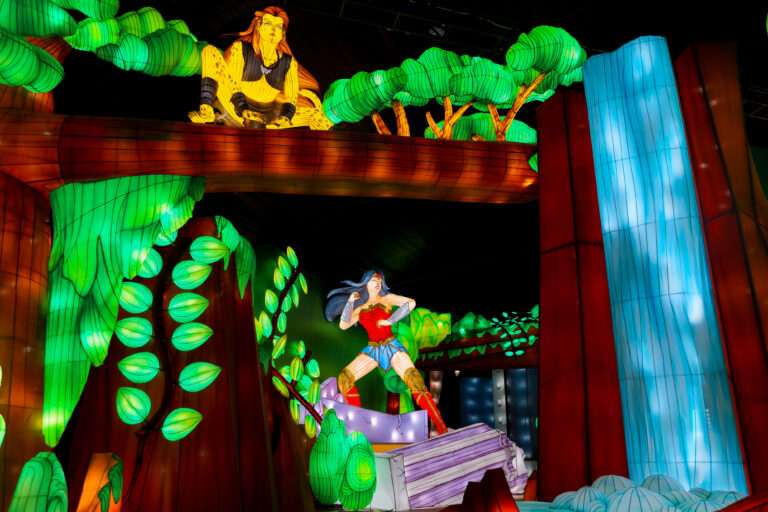
BMP’s adaptability has been tested on high-profile projects. Universe of Light featuring DC Comics Lantern Show at Gaylord Texas, a 17,500 sq. ft. walk-through with more than 1,000 glowing lanterns, was conceived and produced in only three months. “Our entire design process was about six weeks, including IP reviews with Warner Brothers and DC Comics,” says Morrow. “The project would not have been possible without the leadership of Gaylord Resorts, who streamlined the development process and provided exact creative clarity for the experience. “
Recently, when tariffs threatened to increase material costs, BMP formed a task force to identify alternatives. By sourcing different suppliers, testing new materials, in-house production, and implementing upcycling strategies, the company reduced client exposure to tariffs by 85% – and not one client was impacted by the tariffs.
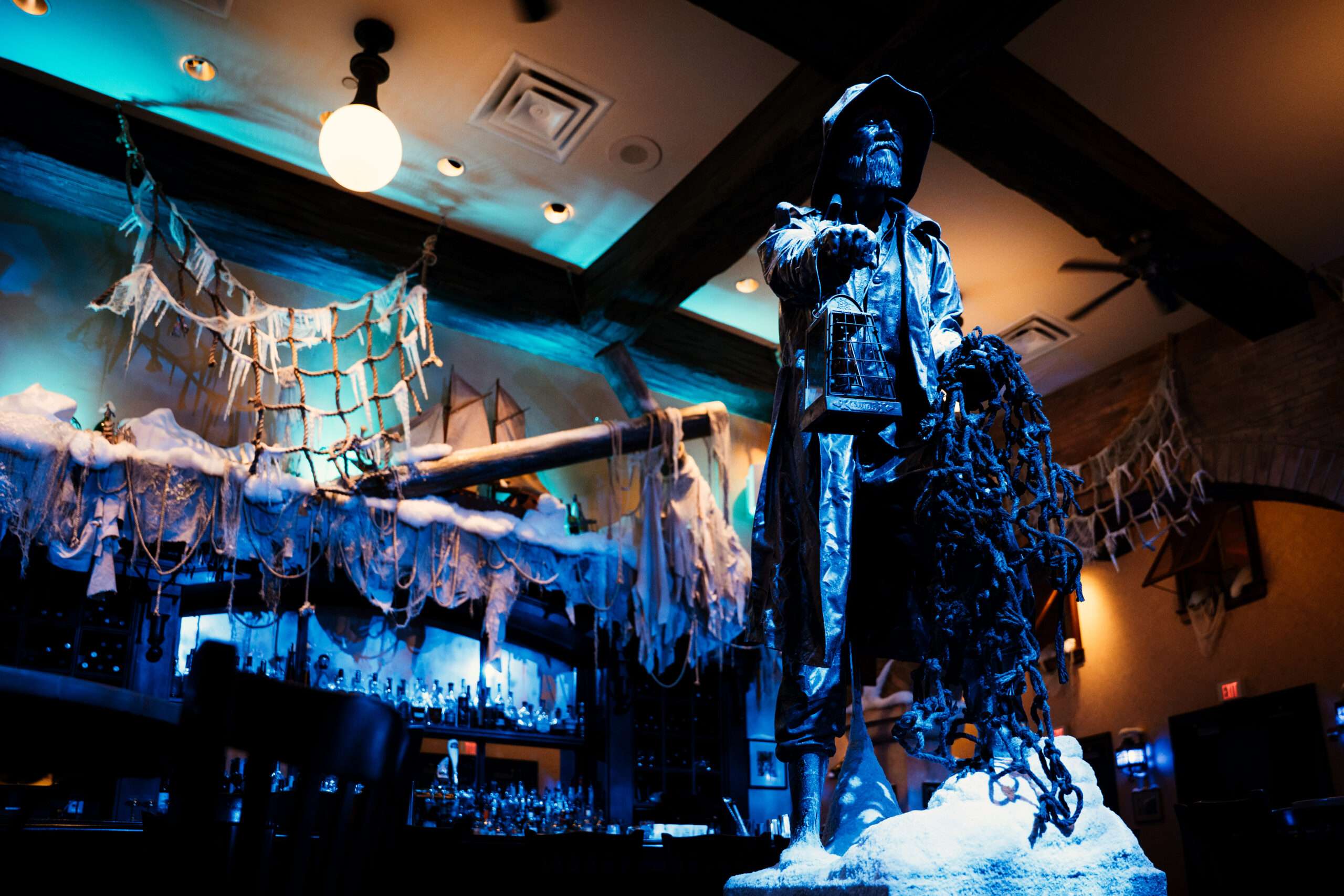
BMP’s theming and fabrication skills are put to use in crafting this haunted ship bar scene.
A culture of care
Underneath it all, BMP’s company culture underpins its growth. Each January, the company takes a wellness week after the holiday season to allow staff to rest and recharge. The practice acknowledges the team’s contributions of the last year and ensures the talent is rested and recharged for the next.
Diversity is emphasized throughout the organization, with teams built to reflect the audiences BMP serves and a corporate mantra of “Studio For All.” This inclusive environment has led to strong employee retention, which in turn creates continuity and expertise across projects. “We want BMP to be a place where people want to work,” says Morrow. “When the team feels supported and cared for, the quality of the work follows.”
Making it happen
With steady growth and a reputation for versatility, BMP is well established as a full-service design, production, and planning studio. The company’s next chapter is less about reinvention and more about refinement – continuing to adapt processes, deepen collaborations, and align with the evolving needs of operators.
Morrow frames it simply: “We’ve built BMP around the idea that every project is a partnership. Our company tagline is ‘Make It Happen’ because when we align our design and production skills with a client’s vision, that’s when the best work happens.”
In an industry where capital projects must justify every dollar and seasonal events compete fiercely for guest attention, BMP has found a sustainable formula. By listening carefully, designing with practicality in mind, and treating each assignment as a collaborative effort, the company has engineered its own blueprint for growth – one that works for every season. •
Martin founded InPark Magazine in 2004, combining years of experience working in themed entertainment with a passion for writing and design.
WhiteWater helps operators design experiences guests can’t stop talking about
by Martin Palicki
In a crowded marketplace where parks need to compete for attention and attendance, simply building a ride isn’t enough anymore. Guests arrive with smartphones in hand, social media accounts ready, and opinions they’re eager to broadcast. A single viral video can draw thousands of new visitors. Conversely, a wave of bad reviews can keep families away. In this brave new world where peer reviews matter more than ever before, marketing is no longer in the hands of the parks – which means parks need to create ways in which guests can broadcast for them.
WhiteWater, a leading designer and manufacturer of water attractions, has been at the forefront of this evolution. By blending ride design with a deep understanding of guest behavior and marketing dynamics, the company helps parks create experiences that people can’t stop talking about – and can’t stop sharing.
Una de Boer, WhiteWater’s Chief Marketing Officer
Una de Boer, WhiteWater’s Chief Marketing Officer, puts it simply: “People don’t trust paid advertising the way they used to. If you visit a city and want to book a restaurant, you don’t just check the ad, you read reviews, you look at ratings, you see what other people are saying. That’s called ‘social proof,’ and it has become central to how parks drive visitation.” Furthermore, social proof can directly impact the bottom line. In the case of hotels, Katanox reports that travelers are willing to pay 35% more for a hotel with higher guest rankings and better reviews.1
From campaigns to credibility
For decades, marketing for attractions was built on traditional media: TV spots, radio jingles, magazine ads, billboards. While they still create brand awareness and plant the idea of a visit, increasingly what seals the decision is what people find online. Families watch ride POVs on YouTube, browse hashtags on Instagram, or scroll TikTok for influencer reactions.
“There’s a hierarchy of trust when it comes to sources of information,” says de Boer. “Traditional media used to carry the most credibility because of research and verification. Now, people trust peers and influencers more than brand messaging. You can have the best targeted Instagram campaign, but consumers still want validation from someone else.” According to CrowdRiff, 92% of consumers trust word of mouth and UGC more than other forms of traditional brand advertising.2
What’s UGC? It’s user-generated content, which means you’re earning positive word-of-mouth coverage from your guests. For operators, this means the experience itself must become a marketing engine. Every attraction, every sightline, every emotional beat is a chance to inspire user-generated content that reinforces the brand message with third party credibility. Another benefit of UGC is that it can reduce content creation costs by 30%3 by offering a budget-friendly alternative to professional content while also offering proof that you’re positively engaging your visitors.
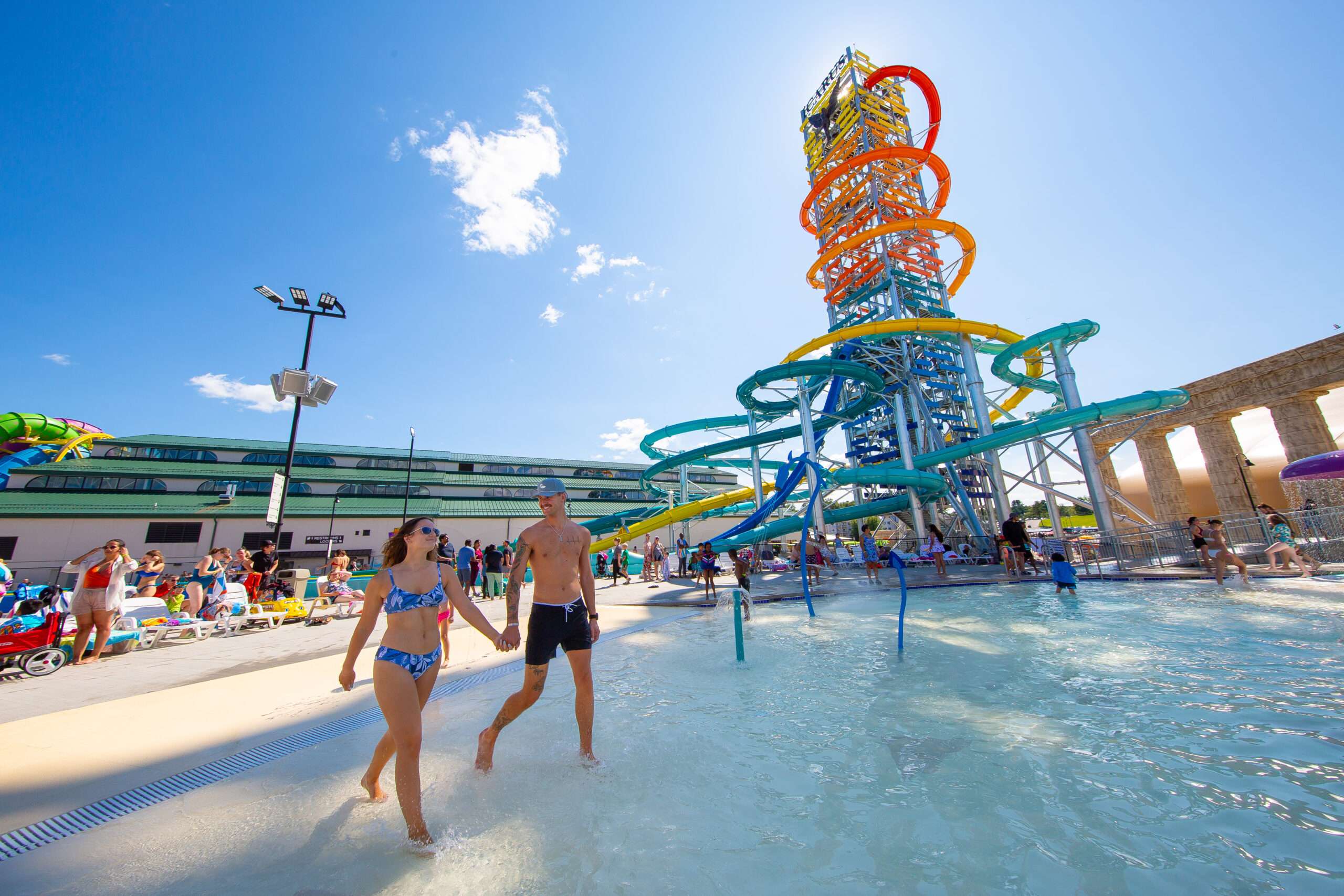
One of the clearest illustrations came with the first U.S. installation of a SlideWheel® at Mount Olympus in Wisconsin. Initially skeptical of social media’s marketing power, the park’s management quickly changed their minds after working with an influencer.
Built by WhiteWater, the Icarus slide tower at Mt. Olympus features not only a thrilling assortment of slides but also makes a visual statement that inspires selfies, social media posts and positive reviews.
“One of WhiteWater’s early social media partners, Alex Ojeda, posted a video of the SlideWheel,” recalls de Boer. “Bookings went through the roof. The hotel saw a surge in reservations, and the park was busier in the following weeks. It was measurable, immediate, and undeniable. The park owner, who had been doubtful, became a total convert to the power of social media.”
SlideWheel’s spinning slide that lights up at night is an intriguing icon that people naturally want to share. That experience highlighted a simple truth: when a ride is both fun and visually striking, it naturally helps fuel digital word-of-mouth.
Social proof and algorithms
Guest-generated content doesn’t just influence people, it influences algorithms.
Search engines and AI increasingly evaluate credibility based on engagement and online chatter. Parks with more authentic reviews, shares, and mentions are more likely to surface in recommendations and summaries.
“Just creating content you control isn’t enough anymore,” de Boer explains. “You need other people talking about you. That’s what AI notices. Social proof drives both human and algorithmic perception.” Ads featuring user-generated content achieve four times higher click-through rates than branded ads.4
This has profound implications. It means marketing is no longer a push activity alone. It’s also a pull strategy, where the park’s guests do much of the heavy lifting by sharing their genuine experiences.
While most guests probably aren’t going to tag the manufacturer of your attraction, having a well-known attraction that they’ve seen at other parks helps build awareness for your park by piggybacking on the popularity, such as a Boomerango or Master Blaster.
Designing for shareability
While creating “Instagrammable” moments has become a buzzword across the hospitality industry, WhiteWater stresses that it’s not just about a single photo backdrop. It’s about designing entire experiences that are positive, photogenic, memorable, and worth sharing. “Details like ride comfort, smooth slide joints, landscaping, and clean facilities all matter,” says de Boer. “They shape the story people share. Did you enjoy the experience or was it unpleasant? No one wants an unexpected face full of water from a poorly designed ride.”
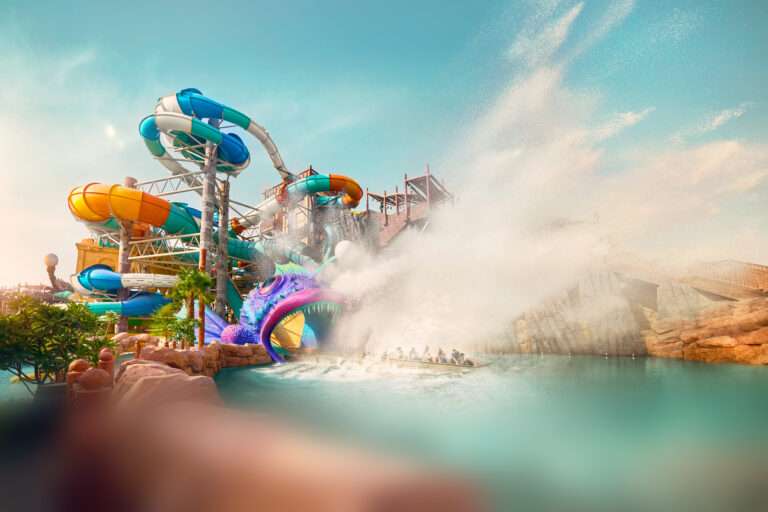
At Yas Waterworld in Abu Dhabi, WhiteWater helped create a notable example. Bahamut Rage, a Shoot the Chute water attraction integrated into a waterslide tower, propels guests down a 15-meter drop into a spectacular splash. Importantly, the attraction also offers viewing areas where non-riders can watch (and record) the big splashdown, either getting soaked in the process or staying dry, depending on their location. The effect is to turn the ride into a theater of spectacle, ideal for photos and videos.
The owners of Mt. Olympus saw an immediate increase in resort bookings after a social media influencer posted a positive video about their new SlideWheel attraction from WhiteWater.
“Adding that spectator element makes the ride inclusive in a new way,” notes de Boer. “It’s not only thrilling for the riders but also for friends and family who want to watch, film, and share the moment. That’s exactly the kind of design that multiplies a ride’s marketing power.”
Other attractions follow similar design principles. WhiteWater’s AquaPlay structures are colorful and kinetic, with giant tipping buckets that build anticipation before drenching crowds, a guaranteed fun experience and a notable video magnet. FlowRider surf simulators are essentially built like stages, creating an arena for bystanders to enjoy, film and share in all the surfing triumph as well as the wipeouts.
Authenticity matters
With the power of influencers evident, some parks might be tempted to manufacture buzz. But audiences can sense when content is staged and de Boer stresses that authenticity always wins. “The best influencer posts aren’t glossy ads. They’re raw moments: the scream at the top of a slide, the family laughing together in the wave pool. That’s what people trust.” And brands have taken notice, with Joli reporting that 56% of brands now focus on UGC as a core part of their marketing strategies.5
WhiteWater helps operators think about which attractions lend themselves naturally to influencer content, as well as how to balance experiences to help narrative content flow easily across the course of a visit. Big, dramatic rides provide instant impact. Interactive features highlight family bonding. Theming transports guests to new worlds. Surf simulators blend skill with spectacle. When the experiences themselves deliver, influencer partnerships feel organic rather than forced.
Supportive infrastructure
Creating the experience, the environment and the visual appeal is only part of the equation. The easier a park can make it for guests to capture and share content, the better. Park- wide wifi, for example, provides easy and fast access to the internet for guests to post quickly and often.
Developing new ways for guests to use their devices within the park can also help. According to 5W PR Agency, Holiday World, Splashin’ Safari saw a 35% increase in social- media mentions and UGC after implementing AR filters for their attractions.6
Advanced systems like WhiteWater’s Vantage platform offer even more advantages and tools to help streamline the experience-to-content pipeline. Vantage provides operators key data about their park and also offers guests easy access to on-ride and in-park media directly in the app on their phone. Because Vantage ties ride experiences to guest profiles, photos and videos can be automatically captured, shared, and most importantly, branded. “The magic of Vantage is that it integrates seamlessly,” says de Boer. “It doesn’t feel like a marketing tool to the guest; it just enhances their experience. But for operators, it’s a powerful driver of engagement and loyalty.”
Lessons to live by
The lesson for operators is clear: marketing needs to be considered before an attraction is fully conceptualized. Marketing value for the park is found in the stories guests tell – in photos, videos, reviews, and conversations – that drive credibility and choice.
WhiteWater’s role is to ensure those stories are worth telling. By embedding marketing thinking into ride design, the company creates attractions that double as content engines. By guiding operators on theming, layout, and guest touchpoints, WhiteWater helps parks turn every detail into an opportunity for fun and sharing. “Smart operators realize marketing isn’t just pushing messages,” de Boer concludes. “It’s about crafting experiences people want to share. When you get it right, the results speak for themselves, both online and in the park.” •
Texas integrator Custom AV uses Just Add Power to manage massive multi-venue AV integration at The Elmont Resort in El Paso
by Ed Qualls, CEO, Just Add Power
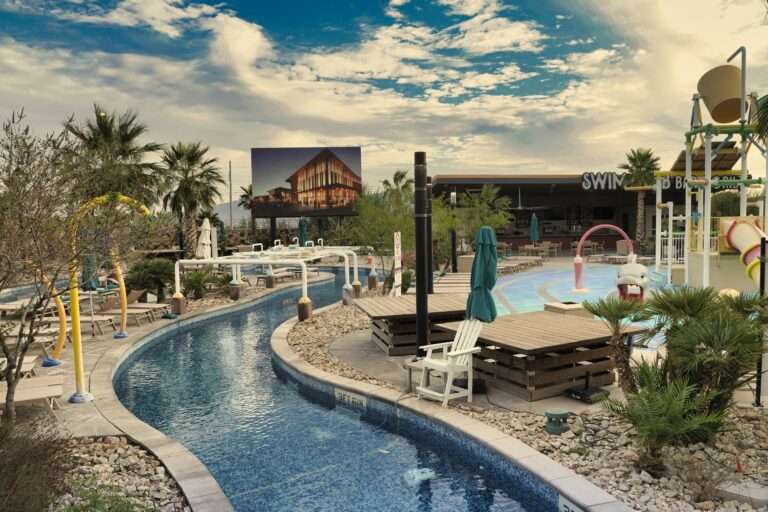
Nestled in the heart of El Paso, Texas, The Elmont stands as a premier hospitality destination, featuring a sprawling waterpark, a dynamic event center with three different ballrooms, and a full-service restaurant. For a venue of this scale, the audiovisual experience is not merely an amenity but essential to the guest experience, setting the tone for events which vary from lively poolside gatherings to elegant corporate functions.
Located in a unique residential and commercial development, The Elmont is a distinctive venue well-known for hosting noteworthy day and nighttime events. When the venue needed an AV upgrade to maintain the quality of these events, they turned to Custom AV LLC, a local integration firm with expertise in designing sophisticated AV systems for the hospitality sector. Custom AV LLC selected Just Add Power products to help create the ultimate solution.
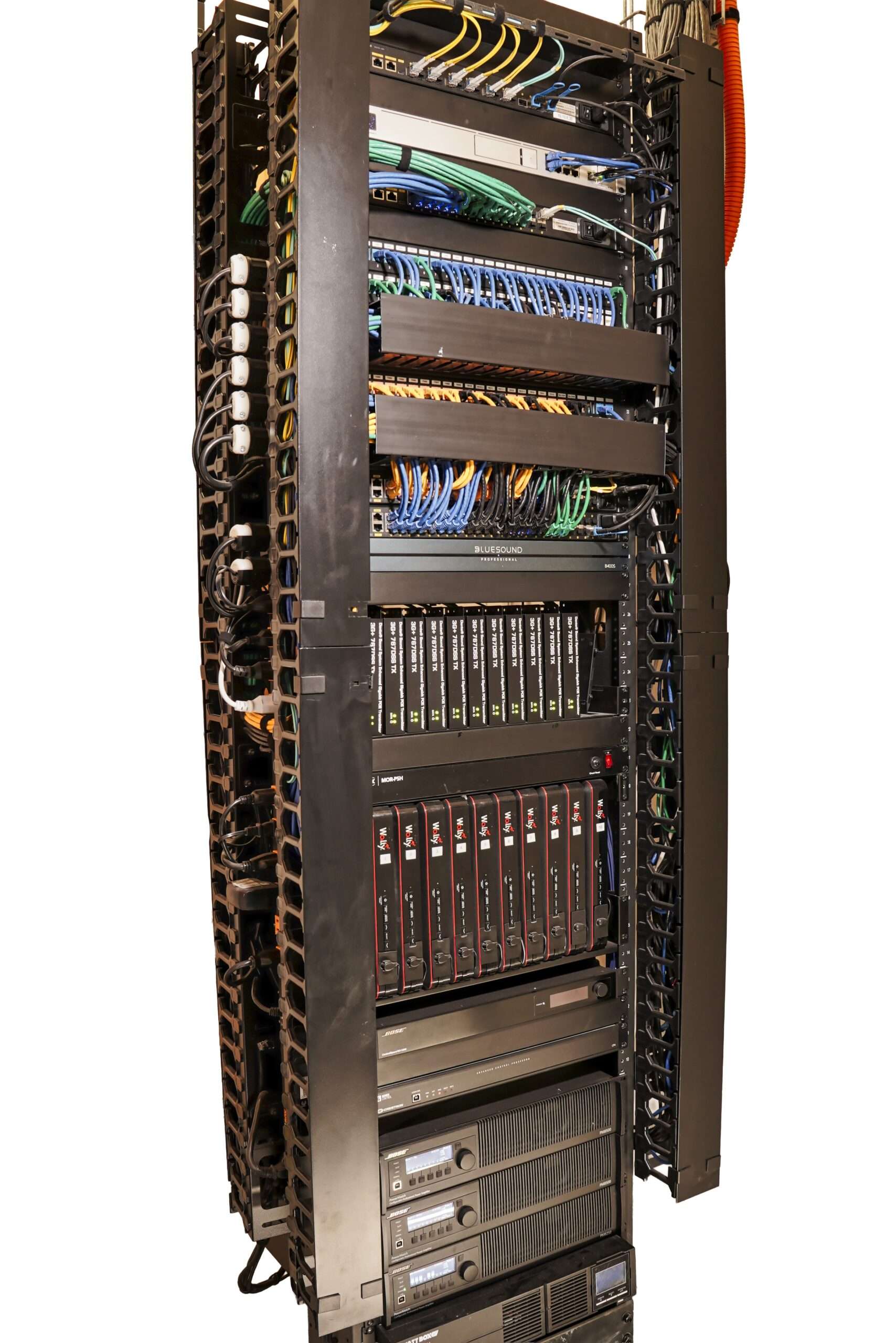
Right: This media rack shows the relative complexity of the AV system requirements at The Elmont.
The challenge: Combine three unique businesses into one shared platform
The project at The Elmont presented a unique set of challenges, kicking off with the fact that the main equipment room was located inside of the event center, which was set to be the last building completed. The venue’s diverse footprint meant a complex mix of close to 70 displays was required across all three different environments. This included everything from 75” displays from LG, projectors with 150-inch screens, a 220-inch Planar indoor LCD/LED video wall, and a 300-inch outdoor Giant Installs LED video wall, and more. The goal was to integrate them all to one platform.
“The system had to allow each business – the waterpark, the restaurant/club house, and the event center – to operate independently with their own audio, video, and control signals,” said Baldo Nevarez, president of Custom AV LLC. “Combining these three very unique, different businesses into a streamlined and shared platform was quite the obstacle. At the same time, it needed the capacity to act as one unified system for large-scale events, where content could be mixed and shared across the entire facility. An additional logistical hurdle was handling the two different management companies that oversee the operations of the property.“
The solution: AV-over-IP and Just Add Power
After careful consideration, Custom AV determined that an AV-over-IP solution would be the most effective way to meet The Elmont’s requirements, with Just Add Power emerging as the ideal supplier. The team deployed a comprehensive system utilizing Just Add Power Ultra encoders and decoders, which are connected over a 40GB fiber infrastructure in a star topology network configuration in the central equipment room This setup enables them to convert a wide range of audio & video sources into a scalable IP stream and route signals to any of the 70 displays, 10 audio amplifiers and over 140 speakers across the complex. The team also deployed Dante IP stereo audio extraction as well as 1Gb networking for control & operations.
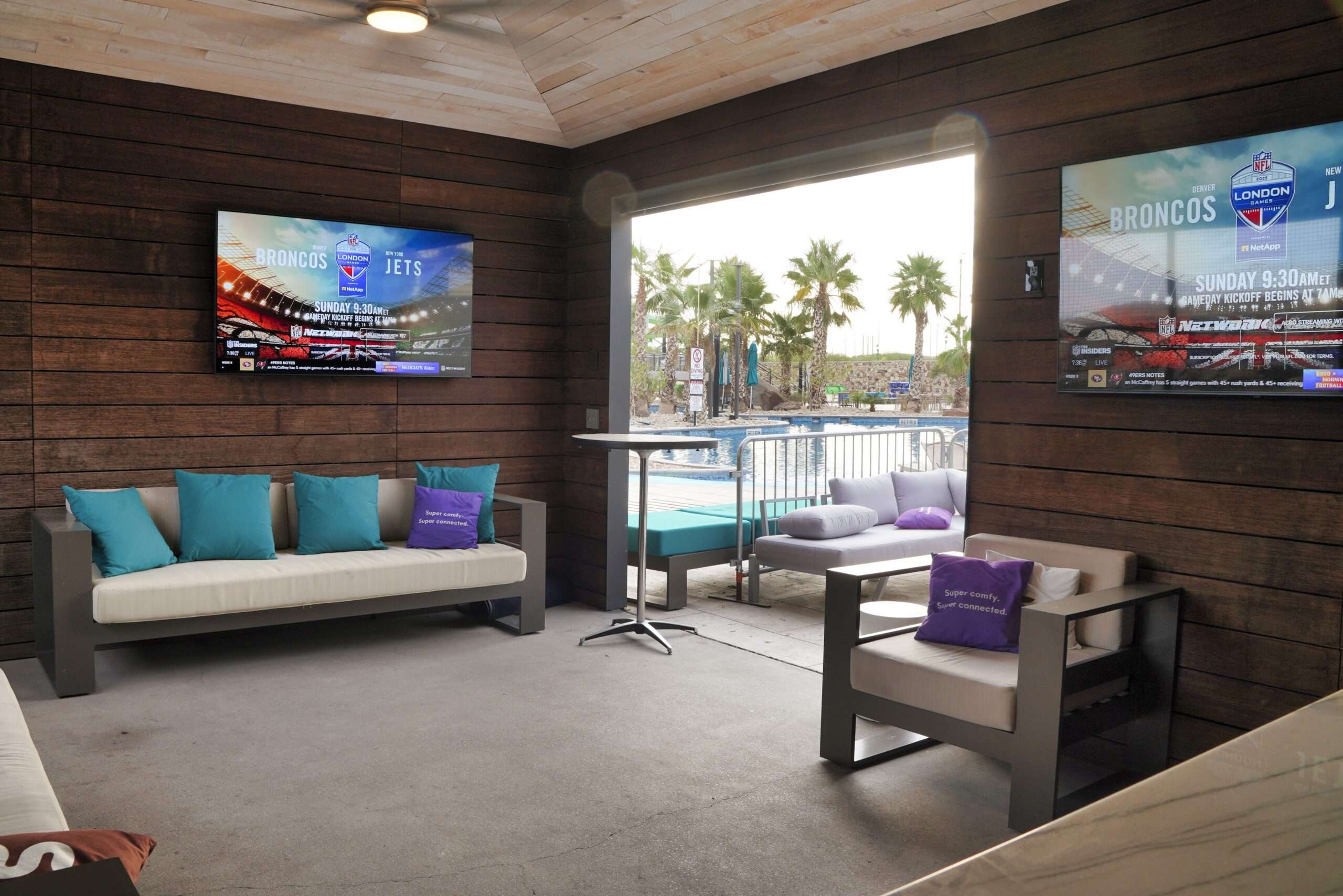
The waterpark at The Elmont offers private cabanas with individually controlled TVs. Just Add Power allows guests to easily change the television feed.
Just Add Power’s Ultra platform delivers 4K@30Hz Ultra HD with HDCP 2.2 support, ensuring high- quality, ultra-low latency transmission of 4K or lower-resolution sources. The built-in scaler on the encoder allows for seamless display on both 1080p and 4K screens. Other features include image pull for visibility on control devices, instant switching, and a modular design that facilitates expanding the system with additional sources or displays – a process as simple as adding another transmitter or receiver.
For Nevarez, the choice to use Just Add Power was clear: “We’ve used Just Add Power on countless projects, and it just works – point blank. There is zero latency as well as perfect switching, and no fuss with EDID or HDCP.”
The system’s reliability was critical for a complex installation with varied content and display needs. The modular nature also addresses the scalability concern and future-proofs, ensuring that The Elmont can easily add more displays or sources in the future.
The system supports a variety of applications, including live events where a camera captures the happenings on stage while routing the video feed anywhere throughout the facility. Live television appears throughout the premises via 10-shared satellite receivers. The system also includes a digital signage platform for distributing announcements, marketing materials, and other content across the property.
The results
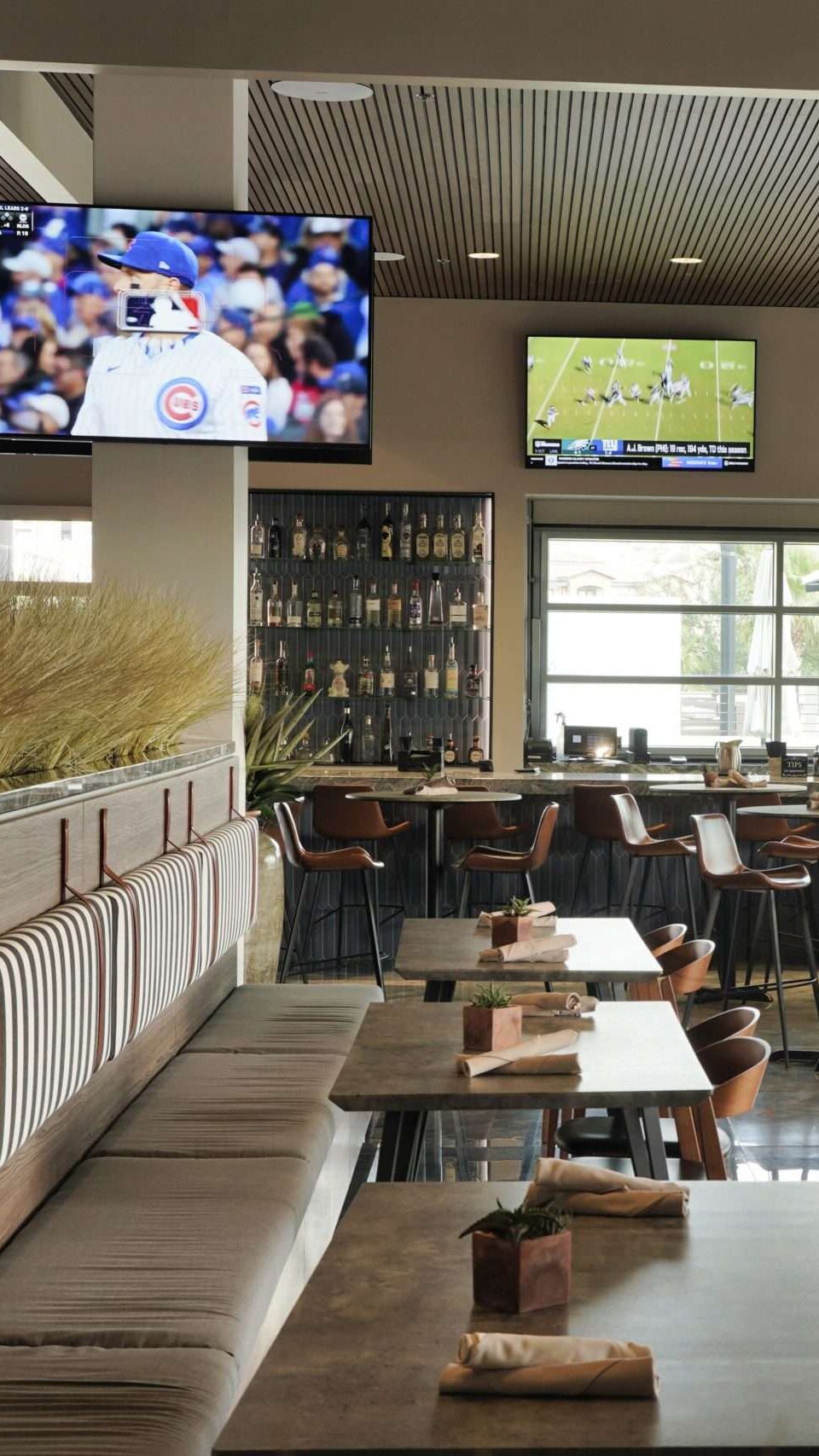
Screens are an important part of the full-service
restaurant at The Elmont. Controls for each of the
screens are simplified thanks to Just Add Power.
The newly implemented system installed by Custom AV made a bevy of promises – and with the help of Just Add Power it has delivered. Most impactful is the visual impact of the large displays, particularly the outdoor LED video wall at the waterpark which serves as a main focal point and a huge draw for the resort. But beyond the visual spectacle, the system’s true benefit lies in its flexibility and ease of use.
“The user can bring a computer, plug it in, and be able to share that video not only within that space but anywhere in the facility,” said Nevarez. “The system’s control interface is simple enough that anybody can pick it up. It’s highly intuitive, which is important for staff rotation. The ability to host live events with flawless audio/video distribution as well as the option to manage digital signage content remotely and create content schedules has provided the client with the powerful tools they need to manage their operations effectively.”
Custom AV’s work at The Elmont showcases the benefits of an AV- over-IP approach in complex hospitality environments. By choosing the powerful and scalable platform of Just Add Power, Custom AV LLC overcame significant logistical and technical challenges. Their expertise in implementing this solution not only met but exceeded the client’s expectations, delivering an AV system that is both high- performing and user-friendly. The AV oasis that is The Elmont Resort can continue to create memorable guest experiences with reliability and flexibility for years to come. •
Ed Qualls is the CEO of Just Add Power. The company is headquartered in Seminole, Florida. For more information, visit justaddpower.com.